Love this? Save it for later!
Share the inspiration with your friends
I did not trust apple cider in cake. Honestly, I thought the idea sounded like a mistake until I actually tasted it.
For years, I stuck to applesauce. It was safe. It added moisture without changing the flavor profile too much. I figured apple cider was just for drinking or maybe glazing donuts. Using it inside a batter seemed like asking for a soggy, undercooked mess.
My sister tried to convince me otherwise last October. She had just made this creamy salted caramel apple cider cake. She kept talking about how the reduced cider concentrated the flavor into something intense. I rolled my eyes. I really did.
We sat at her kitchen table while the oven timer dinged. The smell hit me first. It wasn’t just sweet apples. It was deeper, almost spiced, with a hint of vanilla bean. I took a cautious bite.
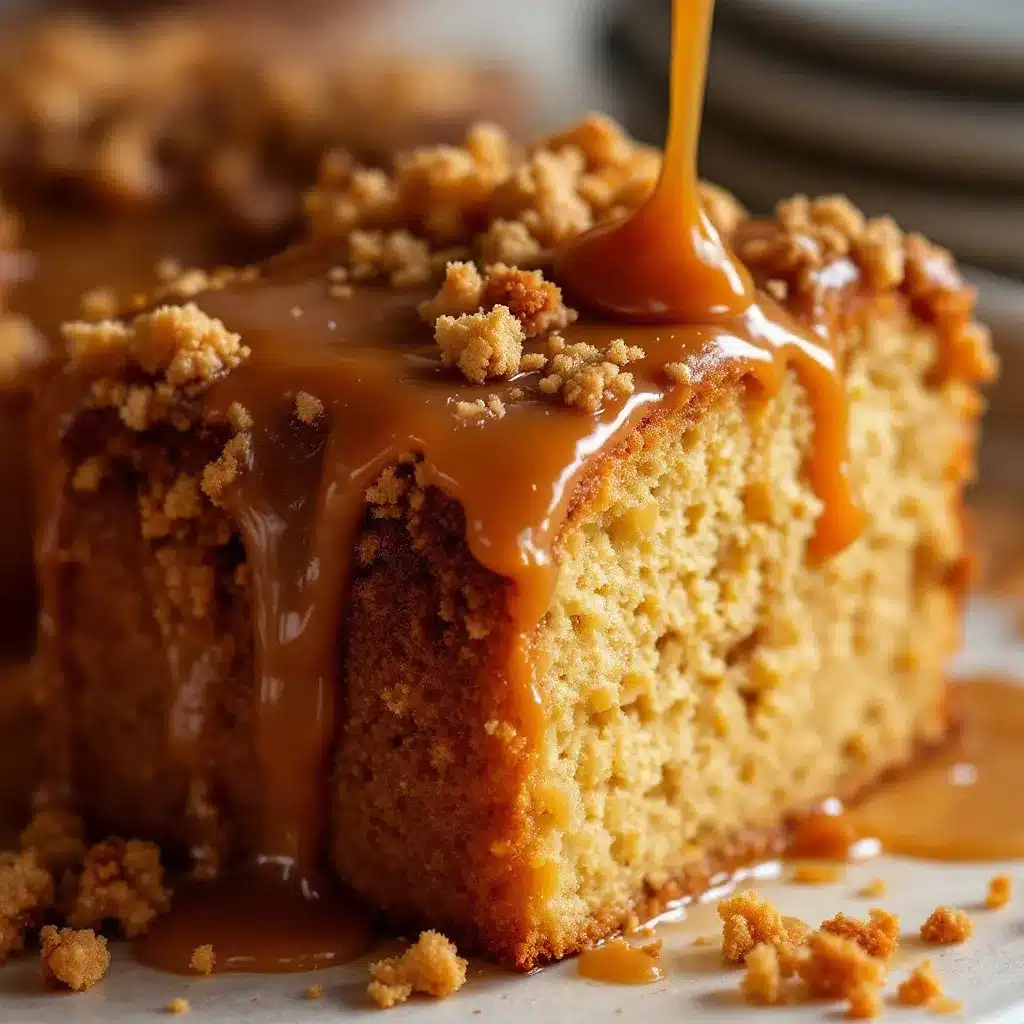
The texture was surprisingly light, not dense like a traditional fruit cake. The caramel swirled through it, salty and rich. The apple flavor was there, but it tasted refined, not fruity or chunky.
I looked at her, still chewing. I didn’t say much at first. I just went back for another piece. That was the moment I knew I was wrong.
Now, I make this every time the weather turns crisp. It has become my go-to for autumn gatherings. The combination of reduced cider and salted caramel is just too good to ignore.
I realized that using apple cider wasn’t a hack. It was the secret to a really moist, flavorful crumb. You know how some cakes taste flat even with spices? This one doesn’t.
The reduction process changes everything. It concentrates the sugars and acids, giving the cake a depth you can’t get from fresh juice. It’s subtle but powerful.
I still remember that first bite. It changed how I think about baking with fruit liquids. It’s not just about moisture anymore. It’s about building layers of flavor.
This recipe stuck with me because it’s simple yet sophisticated. You don’t need fancy ingredients. Just good cider, some butter, and patience for the reduction.
It’s the kind of dessert that feels homemade but tastes like it came from a high-end bakery. I’ve served it to friends who swear they hate apple desserts. They always ask for the recipe.
If you are on the fence, give it a try. The doubt is worth the payoff. You will understand why I love it now.
Why You’ll Love This Recipe
Let’s be real, baking with liquids can be tricky. But this creamy salted caramel apple cider cake solves that problem beautifully. I’ve tested this recipe multiple times, tweaking the ratios until the crumb was perfect. Here is why it works so well for home bakers.
- Quick & Easy: While reducing the cider takes time, the actual mixing is straightforward. It comes together in under an hour of active work, perfect for busy weeknights when you want something special.
- Simple Ingredients: You likely have most of this in your pantry. Flour, sugar, butter, and cider are staples. No need for a specialty grocery store run.
- Perfect for Autumn: This is the ultimate fall dessert. It captures the essence of harvest season in every slice.
- Crowd-Pleaser: Kids and adults both love it. The caramel makes it sweet, but the apple keeps it grounded. It’s always a hit at potlucks.
- Unbelievably Delicious: The texture is moist and tender. The salted caramel adds a savory contrast that makes the sweetness pop.
What makes this different from other apple cakes? Most recipes rely on applesauce or grated apples. Those add bulk and moisture, but they can make the cake heavy. By using reduced apple cider, we get intense flavor without the extra weight.
I also use a technique where I whip the butter and sugar until they are pale. This incorporates air, which helps keep the cake light. It’s a simple step that makes a huge difference in the final texture.
The salted caramel swirl is the star. It’s not just a topping. It’s folded into the batter, creating ribbons of flavor throughout. It’s comfort food reimagined.
This recipe isn’t just good. It’s the kind that makes you close your eyes after the first bite. It’s cozy and satisfying.
It’s perfect for impressing guests without stress. You can make the caramel ahead of time. The cake itself bakes while you relax.
If you love other fall desserts, you might also enjoy my creamy caramel apple cheesecake dip. It’s a quicker option if you are short on time.
What Ingredients You Will Need
This recipe uses simple, wholesome ingredients to deliver bold flavor and satisfying texture without the fuss. The key is quality. Good butter and fresh cider make all the difference.
- Unsalted Butter: Softened, about 1 cup. I recommend European-style butter for a richer flavor and smoother texture. It makes the cake more tender.
- Granulated Sugar: 1 ½ cups. This provides sweetness and helps create a tender crumb. Don’t reduce the amount, or the cake will be dry.
- Large Eggs: 3 large eggs, room temperature. Cold eggs can cause the batter to curdle. Let them sit out for 30 minutes before starting.
- Vanilla Extract: 1 tablespoon. Use pure vanilla, not imitation. It adds a warm, aromatic base note.
- All-Purpose Flour: 2 cups. Sifted to remove lumps. This ensures a smooth batter without heavy pockets of flour.
- Baking Powder: 1 teaspoon. Fresh baking powder is crucial for lift. If it’s old, your cake won’t rise properly.
- Baking Soda: ½ teaspoon. This reacts with the acidity in the cider to help the cake rise and brown.
- Salt: 1 teaspoon. Enhances the flavor of the caramel and balances the sweetness.
- Apple Cider: 1 cup, reduced. This is the star ingredient. You need to reduce it to concentrate the flavor. See the method below.
- Salted Caramel Sauce: ½ cup, store-bought or homemade. I like a thick, gooey caramel. Look for one with visible sea salt flakes.
If you can’t find good apple cider, you can use apple juice, but the flavor won’t be as intense. Reduce it longer to compensate.
For a gluten-free option, you can use a 1-to-1 gluten-free flour blend. The texture might be slightly denser, but it still works well.
In summer, this recipe is less relevant, but you can adapt it with pear cider if you can find it. However, fall is definitely the best time for this.
Equipment Needed
You don’t need a lot of fancy tools for this cake. A few basics will get the job done.
- 9-Inch Round Cake Pan: Two 9-inch pans are ideal. If you only have one, bake it in batches.
- Saucepan: Medium-sized for reducing the cider. A heavy-bottomed pan prevents burning.
- Mixer: Stand mixer or hand mixer. Creaming the butter and sugar is easier with a mixer.
- Fork or Whisk: For mixing the dry ingredients and folding in the caramel.
- Measuring Cups and Spoons: Essential for accuracy. Baking is chemistry, so precision matters.
- Cooling Rack: Allows air circulation so the cake doesn’t get soggy on the bottom.
If you don’t have a stand mixer, a strong arm and a wooden spoon will work. It just takes more effort to cream the butter.
A heavy-bottomed saucepan is worth the investment. It distributes heat evenly, which helps reduce the cider without scorching it.
A simple wire cooling rack is cheap and versatile. It’s better than leaving the cake in the pan, which traps steam.
Preparation Method
Follow these steps carefully for the best results. The process is straightforward if you take your time.
- Reduce the Apple Cider (20 minutes): Pour 2 cups of apple cider into a saucepan. Bring it to a boil over medium-high heat. Reduce heat to medium-low and simmer until the liquid reduces to 1 cup. This should take about 20 minutes. Stir occasionally to prevent burning. Let it cool completely before using. This concentrated liquid is the flavor base of the cake.
- Prep the Pans (5 minutes): Preheat your oven to 350°F (175°C). Grease two 9-inch round cake pans with butter or non-stick spray. Dust them with flour, tapping out the excess. This prevents the cake from sticking.
- Mix Dry Ingredients (2 minutes): In a medium bowl, whisk together the flour, baking powder, baking soda, and salt. Set this aside. Whisking ensures the leavening agents are evenly distributed.
- Cream Butter and Sugar (3 minutes): In a large bowl, beat the softened butter and granulated sugar on medium-high speed. Beat until the mixture is light and fluffy, about 3 minutes. This step incorporates air, which makes the cake tender.
- Add Eggs and Vanilla (2 minutes): Add the eggs one at a time, beating well after each addition. Mix in the vanilla extract. Scrape down the sides of the bowl to ensure everything is combined.
- Combine Wet and Dry (2 minutes): Add the dry ingredients to the butter mixture in three parts, alternating with the reduced apple cider in two parts. Begin and end with the dry ingredients. Mix on low speed just until combined. Do not overmix, or the cake will be tough.
- Fold in Caramel (1 minute): Gently fold ¼ cup of the salted caramel sauce into the batter. Save the rest for the swirl and topping. Use a spatula to incorporate it without deflating the batter.
- Bake (30-35 minutes): Divide the batter evenly between the two prepared pans. Bake for 30-35 minutes, or until a toothpick inserted into the center comes out clean. The tops should be golden brown.
- Cool (15 minutes): Let the cakes cool in the pans for 15 minutes. Then, turn them out onto a wire rack to cool completely. This prevents the cake from breaking apart.
If the toothpick comes out with wet batter, give it 5 more minutes. But if it comes out clean, don’t overbake. The cake will continue to cook slightly from residual heat.
Cooking Tips & Techniques
Reducing the cider is the most critical step. If you skip it, the cake will be bland and too wet. You need that concentrated apple flavor.
Don’t rush the creaming step. The butter and sugar need to be pale and fluffy. This takes about 3 minutes with a mixer. It’s not just about mixing; it’s about aeration.
Room temperature ingredients are important. Cold eggs can seize the butter mixture. If you forget to take them out, put them in a bowl of warm water for 10 minutes.
When folding in the caramel, be gentle. You want ribbons of caramel, not a uniform brown color. Use a spatula and lift from the bottom.
If your batter looks curdled, don’t panic. It’s usually just the eggs reacting with the cold cider. Add a spoonful of flour and mix gently. It should come back together.
Bake in the center of the oven. Oven doors have hot spots near the top and bottom. The center ensures even baking.
Rotate the pans halfway through baking if your oven heats unevenly. This helps both cakes brown evenly.
Let the cakes cool completely before frosting. Warm cake will melt the frosting and make a mess. Patience is key here.
I once tried to frost a warm cake. It was a disaster. The frosting slid right off. Now, I always wait. It’s worth the wait.
Variations & Adaptations
You can customize this cake to suit your preferences or dietary needs. Here are a few ideas.
- Gluten-Free: Use a 1-to-1 gluten-free flour blend. Add a teaspoon of xanthan gum if the blend doesn’t include it. This helps bind the cake.
- Dairy-Free: Substitute the butter with a high-quality dairy-free margarine. Use a dairy-free caramel sauce. The flavor will be slightly different but still good.
- Spiced Version: Add 1 teaspoon of cinnamon and ½ teaspoon of nutmeg to the dry ingredients. This enhances the apple flavor and adds warmth.
- Walnut or Pecan: Fold ½ cup of chopped nuts into the batter. This adds crunch and pairs well with the caramel.
- Mini Cakes: Use a muffin tin to make individual cakes. Bake for 18-20 minutes. These are great for portion control and gifts.
I tried adding chopped dates to the batter once. It added a nice chewiness, but it changed the texture significantly. Stick to the original for the classic taste.
For a healthier twist, you can reduce the sugar by ¼ cup. The cake will be less sweet but still moist.
If you are allergic to nuts, ensure your caramel sauce doesn’t contain any. Many store-bought brands are nut-free, but always check the label.
You can also use pear cider for a variation. It has a milder flavor, so you might want to add more spices.
Serving & Storage Suggestions
Serve this cake at room temperature for the best flavor. The caramel is softer and the texture is more tender.
It pairs well with a cup of hot tea or coffee. The bitterness of the coffee balances the sweetness of the cake.
For a more indulgent treat, serve it with a scoop of vanilla ice cream or a dollop of whipped cream. The contrast in temperatures is delicious.
Store leftovers in an airtight container at room temperature for up to 3 days. The cake stays moist for a few days.
For longer storage, wrap the cakes tightly in plastic wrap and freeze them for up to 3 months. Thaw them in the refrigerator overnight before serving.
You can also freeze the caramel separately. Thaw it and warm it slightly before swirling it into the cake.
The flavors develop over time. The cake tastes even better the next day as the caramel melds with the crumb.
Reheat slices in the microwave for 10-15 seconds if you prefer a warm cake. It brings back the gooey texture of the caramel.
I usually make this cake a day ahead. It gives the flavors time to settle. It’s easier to frost when it’s fully cooled.
Nutritional Information & Benefits
This cake is a treat, so enjoy it in moderation. One slice contains approximately 450 calories.
The apple cider adds a small amount of vitamin C and antioxidants. However, the reduction process concentrates the sugar, so it’s still high in natural sugars.
The butter and sugar provide energy. The flour adds carbohydrates. It’s a balanced dessert in terms of macronutrients.
For those watching their sugar intake, you can reduce the sugar in the batter by ¼ cup. The caramel will still provide enough sweetness.
If you are gluten-sensitive, use a gluten-free flour blend. The nutritional profile will be similar, but check the label for added fibers or proteins.
This cake is not low-carb, but it is a satisfying dessert option for special occasions. It’s better than processed sweets because it uses real ingredients.
I like to pair it with a glass of sparkling water to cut the richness. It feels lighter that way.
It’s a guilt-free indulgence if you control the portion size. One slice is plenty for most people.
Conclusion
This creamy salted caramel apple cider cake is a fall favorite for a reason. It’s moist, flavorful, and surprisingly easy to make.
The reduction of the cider adds a depth of flavor that you can’t get from other ingredients. The salted caramel swirl ties it all together.
I hope you try this recipe. It’s a great way to use up extra apple cider in the fall.
Customize it with spices or nuts to make it your own. The base recipe is flexible enough to handle variations.
I love this cake because it brings people together. It’s perfect for sharing with friends and family.
Please leave a comment below if you make it. I’d love to hear how it turned out for you. Share your photos on social media too.
Thanks for reading. Happy baking!
FAQs
Can I use apple juice instead of apple cider?
Yes, but you need to reduce it longer. Apple juice is thinner and has less flavor. Simmer it until it reduces to the same volume as the cider. The flavor will be milder, but it will still work.
How do I store leftover cake?
Store it in an airtight container at room temperature for up to 3 days. For longer storage, wrap it tightly and freeze it for up to 3 months. Thaw in the refrigerator overnight.
Can I make this cake ahead of time?
Yes, this cake actually tastes better the next day. You can bake it a day ahead and frost it before serving. Just make sure it’s completely cooled before frosting.
What kind of caramel sauce should I use?
Use a thick, gooey caramel sauce with sea salt. Store-bought brands like Salted Caramel Syrup work well. Homemade caramel is also great if you have the time.
Can I freeze the cake layers?
Yes, freeze the baked layers separately in plastic wrap and foil. They will keep for up to 3 months. Thaw them before frosting. This is a great way to prepare for a party.
Pin This Recipe!
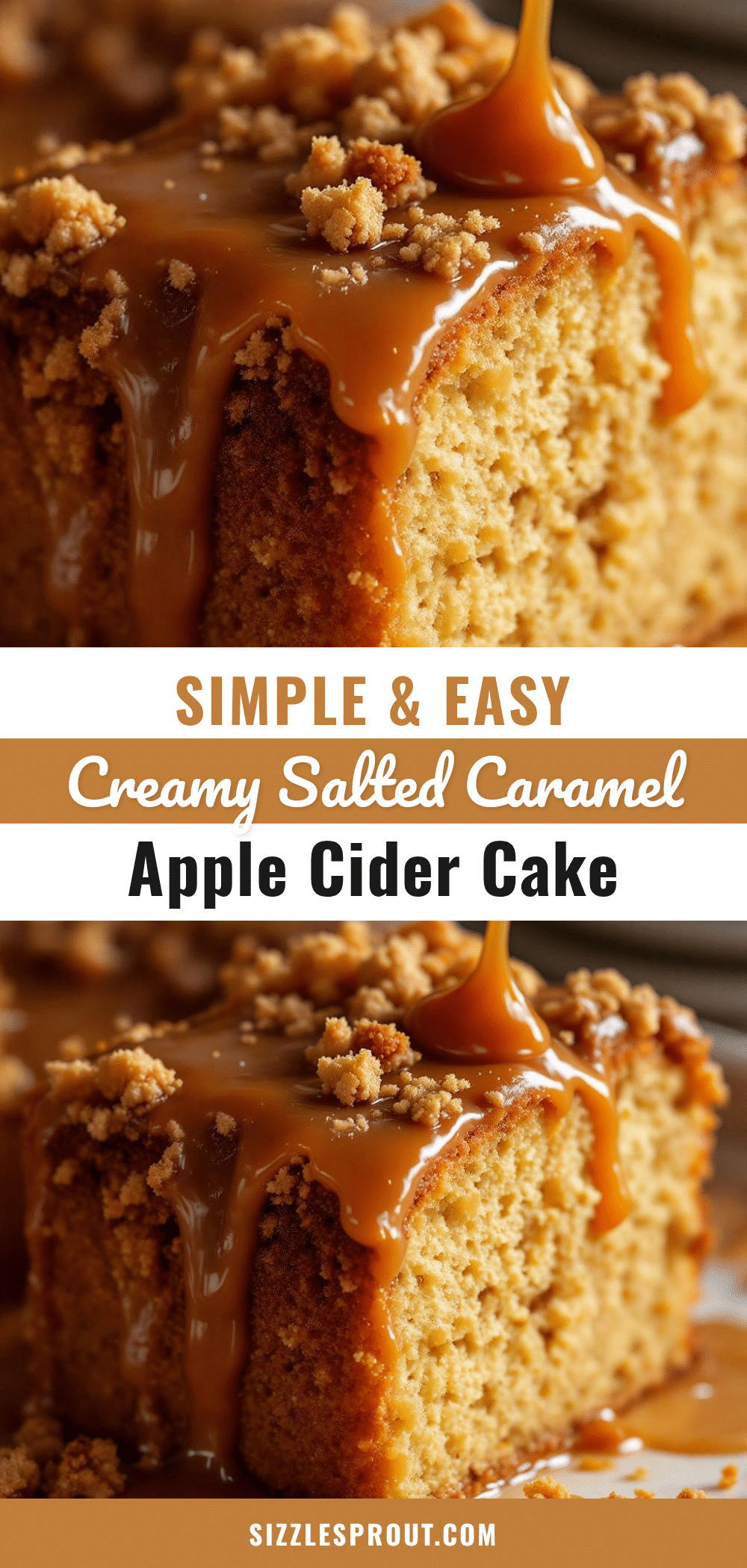
Creamy Salted Caramel Apple Cider Cake
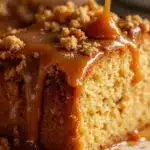
A moist and flavorful autumn cake featuring reduced apple cider for intense flavor and a salted caramel swirl for a rich, sweet-savory contrast.
- Prep Time: 20 minutes
- Cook Time: 35 minutes
- Total Time: 55 minutes
- Yield: 2 layers (approx. 12 servings) 1x
- Category: Dessert
- Cuisine: American
Ingredients
- 2 cups apple cider (for reduction)
- 1 cup unsalted butter, softened
- 1 ½ cups granulated sugar
- 3 large eggs, room temperature
- 1 tablespoon vanilla extract
- 2 cups all-purpose flour, sifted
- 1 teaspoon baking powder
- ½ teaspoon baking soda
- 1 teaspoon salt
- 1 cup reduced apple cider (from 2 cups original)
- ½ cup salted caramel sauce
Instructions
- Pour 2 cups of apple cider into a saucepan. Bring to a boil over medium-high heat, then reduce heat to medium-low and simmer until the liquid reduces to 1 cup (approx. 20 minutes). Stir occasionally and let cool completely.
- Preheat oven to 350°F (175°C). Grease and flour two 9-inch round cake pans.
- In a medium bowl, whisk together the flour, baking powder, baking soda, and salt.
- In a large bowl, beat the softened butter and granulated sugar on medium-high speed until light and fluffy (approx. 3 minutes).
- Add eggs one at a time, beating well after each addition. Mix in the vanilla extract.
- Add the dry ingredients to the butter mixture in three parts, alternating with the reduced apple cider in two parts. Begin and end with dry ingredients. Mix on low speed just until combined.
- Gently fold ¼ cup of the salted caramel sauce into the batter.
- Divide batter evenly between prepared pans. Bake for 30-35 minutes or until a toothpick inserted into the center comes out clean.
- Let cakes cool in pans for 15 minutes, then turn out onto a wire rack to cool completely.
Notes
Ensure the apple cider is fully reduced to concentrate flavor. Room temperature ingredients are crucial for a smooth batter. Do not overmix the batter to avoid a tough texture. The cake tastes better the next day as flavors meld.
Nutrition
- Serving Size: 1 slice
- Calories: 450
- Sugar: 48
- Sodium: 350
- Fat: 18
- Saturated Fat: 11
- Carbohydrates: 65
- Fiber: 1
- Protein: 5
Keywords: apple cider cake, salted caramel cake, fall dessert, autumn baking, moist cake, reduced apple cider, homemade cake