Love this? Save it for later!
Share the inspiration with your friends
I assumed the dough for pan de muerto would behave like any other sweet bread. It took about an hour for that assumption to fall apart completely. You know how some recipes just demand respect? This one does. I had my yeast blooming, my orange zest ready, and a clean kitchen, but the dough refused to come together. It was sticky, shaggy, and looked more like wet sand than a beautiful loaf. I almost threw in the towel and ordered a cake from the grocery store. But then I remembered my abuela’s hands, how she never rushed the kneading, just worked it until the gluten gave up and smiled.
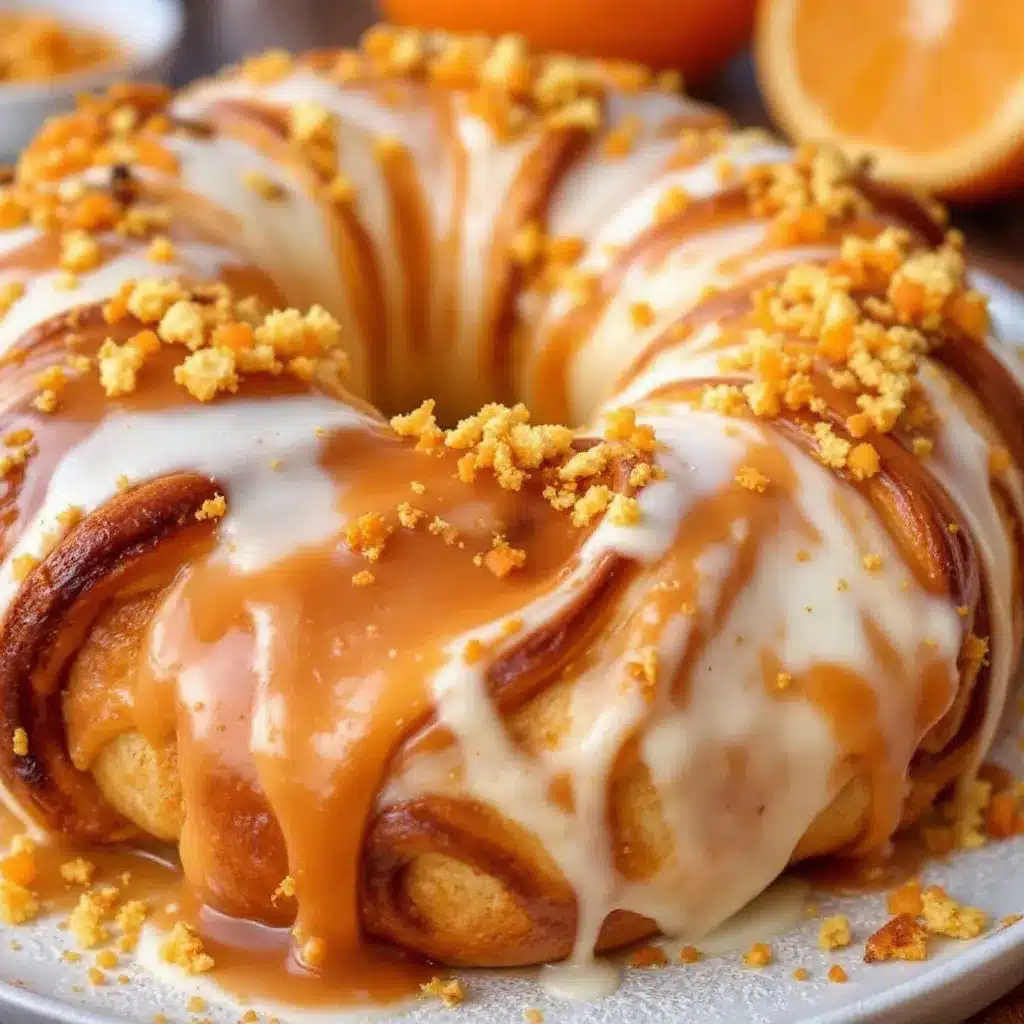
The secret isn’t in the flour ratio, though that matters. It’s in the patience. You have to let the dough rest, let it rise, and let it breathe. When you finally pull that warm, orange-scented bread from the oven, the ritual of breaking it open feels like a homecoming. The bones of dough, the tears of sugar, the circle of life—it’s all there in one loaf. Honestly, the first bite is a texture shock. Soft, pillowy, with a crumb that shatters just right.
I’ve made this recipe three times now, tweaking the orange blossom water and the sugar coating. Each time, it gets better. It’s not just a bread; it’s a memory. It’s the smell of my childhood kitchen, mixed with the sharp tang of marmalade and the sweetness of anise. If you’re looking for a quick bake, this isn’t it. But if you want to connect with something deeper, something that tastes like history and love, then this is the one. Let’s get our hands dirty.
Why You’ll Love This Recipe
Why This Pan de Muerto Stands Out
Ingredient Needed
This recipe relies on a few key components that work together to create that signature soft, sweet crumb and the distinctive flavor profile. The ingredients are simple, but quality matters here. Since the flavor is so delicate, using fresh, high-quality items makes a huge difference.
- All-purpose flour: You’ll need about 4 to 5 cups. I prefer a high-protein brand like King Arthur for better structure, but standard store-bought works too. The dough should be soft, not stiff.
- Active dry yeast: One packet (2 1/4 tsp). Make sure it’s fresh. If your yeast is old, your bread won’t rise, and you’ll be sad. Blooming it in warm milk helps confirm it’s alive.
- Whole milk: Warm, not hot. About 1 cup. This feeds the yeast and adds richness. Dairy-free milk works, but the texture might be slightly denser.
- Unsalted butter: Softened, about 1/2 cup. This adds the tender crumb. Margarine just doesn’t give the same flavor.
- Sugar: 1/2 cup granulated sugar. This feeds the yeast and adds sweetness. Adjust if you prefer it less sweet.
- Eggs: 2 large eggs, plus 1 for the egg wash. Room temperature eggs incorporate better into the dough.
- Orange zest: From 1 large orange. This is crucial. Use organic if possible, as you’re eating the skin. The zest adds a bright, floral note.
- Orange blossom water: 1-2 teaspoons. This is the soul of the bread. Don’t skip it, but don’t overdo it. It’s potent.
- Ground anise seed: 1/2 teaspoon. This adds the traditional licorice-like aroma. If you hate anise, you can skip it, but it’s traditional.
- Salt: 1 teaspoon. Balances the sweetness.
- Confectioners’ sugar: For dusting. Optional, but pretty.
- Water: For the egg wash, mixed with the egg.
Equipment Needed
You don’t need fancy gear for this. A large mixing bowl is essential. A stand mixer with a dough hook makes life easier, but you can definitely knead by hand. It’s a good workout. You’ll need a baking sheet lined with parchment paper. A pastry brush for the egg wash and sugar coating. A small saucepan for warming the milk. And a cooling rack. Don’t rush the cooling; it sets the crumb.
Preparation Method
Step 1: Bloom the Yeast
In a small bowl, combine the warm milk, a pinch of sugar, and the yeast. Let it sit for 5-10 minutes until it’s foamy. If it doesn’t foam, your yeast is dead. Start over. This takes about 10 minutes.
Step 2: Mix the Dough
In a large bowl, combine the flour, sugar, salt, orange zest, and anise. In a separate bowl, whisk the eggs and melted butter. Add the yeast mixture and egg mixture to the dry ingredients. Mix until a shaggy dough forms. This takes about 5 minutes.
Step 3: Knead the Dough
Turn the dough onto a floured surface. Knead for 8-10 minutes until smooth and elastic. The dough should be soft and slightly sticky, but not messy. If it’s too sticky, add a little more flour. If it’s too dry, add a splash of milk. This step is crucial for the texture.
Step 4: First Rise
Place the dough in a greased bowl. Cover with a damp cloth or plastic wrap. Let it rise in a warm place for 1-1.5 hours, or until doubled in size. This takes about 60 minutes.
Step 5: Shape the Bread
Punch down the dough. Divide it into portions. The main loaf should be round. Roll the remaining dough into long ropes for the bones. Twist the ropes over the top of the round loaf to create the cross and bone shape. Place on a parchment-lined baking sheet. This takes about 15 minutes.
Step 6: Second Rise
Cover the shaped bread loosely. Let it rise again for 30-45 minutes until puffy. Don’t let it rise too long, or it will collapse. This takes about 40 minutes.
Step 7: Bake
Preheat your oven to 350°F (175°C). Brush the bread with egg wash. Bake for 25-30 minutes until golden brown. If it browns too quickly, cover with foil. This takes about 30 minutes.
Step 8: Glaze and Cool
While the bread bakes, mix the orange blossom water with a little sugar and water to make a thin glaze. Brush this over the hot bread as soon as it comes out of the oven. Let it cool on a wire rack. This takes about 10 minutes.
Cooking Tips & Techniques
The key to soft pan de muerto is not overworking the dough. Knead just until smooth. Over-kneading can make the bread tough. Also, the second rise is critical. If you skip it, the bread will be dense. Watch the dough, not the clock. It’s done when it’s puffy and springs back slowly when pressed.
Another tip: the orange blossom water is strong. Start with 1 teaspoon. You can always add more, but you can’t take it out. Taste the dough before baking (a small raw piece is fine) to check the flavor.
Variations & Adaptations
You can add raisins to the dough for a fruity twist. Some people add a bit of cinnamon or vanilla. For a gluten-free version, use a 1:1 gluten-free flour blend, but the texture will be different. You can also shape the bread into rolls instead of a large loaf.
Serving & Storage Suggestions
Serve pan de muerto warm with coffee or hot chocolate. It’s traditional to eat it during Día de los Muertos. Store leftovers in an airtight container at room temperature for up to 3 days. For longer storage, freeze the bread. Reheat in the oven to restore freshness.
Nutritional Information & Benefits
This bread is high in carbohydrates and sugars, typical for a sweet bread. It provides energy and is rich in flavor. The orange zest adds Vitamin C. The anise may aid digestion. Enjoy in moderation as part of a balanced diet.
Conclusion
Making pan de muerto is a labor of love. It connects you to tradition and family. I hope you try this recipe and find your own memories in the dough. Share your results in the comments. Happy baking!
FAQs
Can I use instant yeast instead of active dry yeast?
Yes, you can. You don’t need to bloom it. Just mix it directly with the flour.
Why is my pan de muerto dense?
This usually happens if the yeast was dead or if the dough didn’t rise enough. Make sure your milk is warm, not hot, and give the dough enough time to rise.
Can I make the dough ahead of time?
Yes, you can let the dough rise in the fridge overnight. Let it come to room temperature before shaping and doing the second rise.
What is the orange blossom water?
It’s a distillate of orange blossoms. It has a floral, citrusy aroma. You can find it in the spice aisle or online. Don’t substitute with orange juice; it’s different.
How long does pan de muerto last?
It stays fresh for 2-3 days at room temperature. It can be frozen for up to a month.
Pin This Recipe!

Pan de Muerto Recipe: Traditional 8-Step Guide

A traditional Mexican sweet bread made with orange zest, orange blossom water, and anise, featuring a soft, pillowy crumb and distinctive bone-shaped decorations.
- Prep Time: 45 minutes
- Cook Time: 30 minutes
- Total Time: 2 hours 15 minutes
- Yield: 1 large loaf 1x
- Category: Dessert
- Cuisine: Mexican
Ingredients
- 4 to 5 cups all-purpose flour
- 1 packet (2 1/4 tsp) active dry yeast
- 1 cup whole milk, warm
- 1/2 cup unsalted butter, softened
- 1/2 cup granulated sugar
- 2 large eggs, room temperature
- 1 large orange, zested
- 1–2 teaspoons orange blossom water
- 1/2 teaspoon ground anise seed
- 1 teaspoon salt
- Confectioners’ sugar, for dusting
- 1 egg, for egg wash
- Water, for egg wash
Instructions
- Bloom the yeast: In a small bowl, combine warm milk, a pinch of sugar, and yeast. Let sit for 5-10 minutes until foamy.
- Mix the dough: In a large bowl, combine flour, sugar, salt, orange zest, and anise. In a separate bowl, whisk eggs and melted butter. Add yeast mixture and egg mixture to dry ingredients. Mix until a shaggy dough forms.
- Knead the dough: Turn dough onto a floured surface. Knead for 8-10 minutes until smooth and elastic. Add small amounts of flour or milk if needed to adjust consistency.
- First rise: Place dough in a greased bowl. Cover with a damp cloth or plastic wrap. Let rise in a warm place for 1-1.5 hours, or until doubled in size.
- Shape the bread: Punch down the dough. Divide into portions. Form the main loaf into a round shape. Roll remaining dough into ropes for bones. Twist ropes over the top of the round loaf to create cross and bone shapes. Place on a parchment-lined baking sheet.
- Second rise: Cover shaped bread loosely. Let rise again for 30-45 minutes until puffy.
- Bake: Preheat oven to 350°F (175°C). Brush bread with egg wash. Bake for 25-30 minutes until golden brown. Cover with foil if browning too quickly.
- Glaze and cool: Mix orange blossom water with a little sugar and water to make a thin glaze. Brush over hot bread immediately after removing from oven. Let cool on a wire rack.
Notes
The key to soft pan de muerto is not overworking the dough. Knead just until smooth. The second rise is critical; if skipped, the bread will be dense. Orange blossom water is potent; start with 1 teaspoon. You can add raisins, cinnamon, or vanilla for variations. For gluten-free, use a 1:1 gluten-free flour blend, though texture will differ.
Nutrition
- Serving Size: 1 slice
- Calories: 350
- Sugar: 20
- Sodium: 300
- Fat: 12
- Saturated Fat: 7
- Carbohydrates: 55
- Fiber: 2
- Protein: 6
Keywords: pan de muerto, day of the dead, mexican sweet bread, orange blossom water, traditional recipe, holiday baking