Love this? Save it for later!
Share the inspiration with your friends
It wasn’t about fancy plating or complicated techniques. It was just warmth. Real, honest warmth that seeped into your bones when the wind started howling outside. I can still hear the rain tapping against the windowpane while she stood at the counter, slicing open those dark green acorn squashes with a heavy knife that looked too big for her small hands.
She never measured anything. Just a pinch of this, a splash of that, and a whole lot of patience. Back then, I thought cooking was magic. Now I know it’s just attention. But that attention matters. When you pull a roasted acorn squash out of the oven and the flesh is tender enough to yield to a fork, it feels like a hug from the inside out.
I remember watching her stuff those hollowed-out shells with a mixture that smelled like comfort itself. Maple syrup, brown sugar, and plenty of crumbled sausage. She’d drizzle a little extra maple over the top and let it bubble in the heat. That specific combination of sweet and salty became my favorite memory of fall. It wasn’t just dinner; it was a season captured in a bowl.
Over the years, I’ve tried to recreate that feeling. Some attempts were too dry, others too sweet. But this version? This is the one. It captures that rustic, home-cooked soul without requiring hours of prep work. It’s simple, hearty, and honestly, it just works. You don’t need to be a professional chef to make this. You just need to care about the flavors coming together.
There’s something deeply satisfying about eating a meal that changes with the weather. When the days get shorter and the air gets crisp, you want food that grounds you. This recipe does exactly that. It’s not just about filling your stomach; it’s about slowing down and appreciating the ingredients. Let’s face it, life gets busy, but taking an hour to roast a squash is a small luxury we all deserve.
I’ve made this for friends who were having a rough week, and for family gatherings where everyone was just looking for something easy but impressive. The reaction is always the same. Eyes light up. Shoulders drop. People actually taste their food. That’s the power of good, simple cooking. It reminds us of better times, or creates new memories right there at the table.
So, here is the story behind the recipe. It’s not a complex tale, just a genuine love for autumn flavors. And if you’re looking for more ways to use seasonal produce, you might also enjoy checking out my perfect maple glazed delicata squash for a lighter side option. But when you need a full meal that feels like a blanket, this is it.
Why You’ll Love This Recipe
This isn’t just another stuffed vegetable recipe. It’s a lesson in balance. I’ve tested this method dozens of times, tweaking the ratios of sausage to grain and adjusting the spices until it was just right. The result is a dish that feels gourmet but is surprisingly easy to pull together on a Tuesday night.
- Quick & Easy: Between prep and cooking, you’re looking at about 45 minutes. That’s it. Perfect for busy weeknights when you’re tired but still want something wholesome.
- Simple Ingredients: You likely have most of this in your pantry. Acorn squash, sausage, onions, and basic spices. No trip to a specialty store required.
- Perfect for Fall Dinners: As the weather turns, this dish feels like it belongs. It’s hearty enough for a cold night but light enough not to weigh you down.
- Crowd-Pleaser: Even picky eaters usually love this. The sweetness of the squash pairs perfectly with the savory sausage. It’s a flavor combo that just clicks.
- Unbelievably Delicious: The texture contrast between the tender squash and the savory stuffing is next-level. It’s comfort food reimagined.
What makes this different from other stuffed squash recipes? It’s the stuffing. Most people just use rice or bread. I prefer a mix of grains and nuts for added texture and nutrition. It adds a nutty depth that complements the earthiness of the squash. Plus, the maple glaze ties everything together with a sticky, sweet finish that keeps you coming back for more.
It’s the kind of meal that makes you close your eyes after the first bite. It’s soul-soothing. Whether you’re cooking for one or feeding a crowd, this recipe scales easily and always delivers. It turns a simple vegetable into the star of the show.
What Ingredients You Will Need
This recipe relies on high-quality, whole ingredients to build layers of flavor. You don’t need anything exotic, but the quality of your main components really shines through. Here is what you’ll need to make it happen.
- Acorn Squash: You’ll need two medium-sized squashes. Look for ones that feel heavy for their size with a hard shell. This ensures they are fresh and sweet. (About 1.5 lbs each)
- Italian Sausage: Mild or hot, depending on your preference. I usually go with mild to let the maple shine, but a little heat is nice too. You’ll need about 1 pound. (Remove from casings if using links)
- Yellow Onion: One medium onion, finely diced. This adds sweetness and moisture to the stuffing. (Approx. 1 cup diced)
- Garlic: Two cloves, minced. Fresh is best here; bottled can taste metallic. (About 1 teaspoon)
- Butter: Two tablespoons of unsalted butter for sautéing the aromatics. (Or use olive oil for a dairy-free option)
- Walnuts: Half a cup of chopped walnuts. They add a crucial crunch that contrasts with the soft squash. (Toast them first for extra flavor)
- Breadcrumbs: One cup of panko or standard breadcrumbs. Panko gives a lighter, crispier texture. (Use gluten-free if needed)
- Maple Syrup: Three tablespoons of real maple syrup. Avoid pancake syrup; it’s all sugar. (Grade A or B both work)
- Fresh Sage: A tablespoon of chopped fresh sage. This is the signature fall herb. (1 teaspoon dried sage works in a pinch)
- Dijon Mustard: One teaspoon. It adds a subtle tang that cuts through the richness of the sausage. (Optional but recommended)
- Seasonings: Salt, black pepper, and a pinch of red pepper flakes for heat. (To taste)
I recommend using a good quality sausage from your local butcher if possible. The meat-to-fat ratio matters for moisture. If you’re watching your sodium, look for low-sodium sausage options. Also, don’t skip the walnuts. They provide that necessary textural element that makes the dish feel complete.
Equipment Needed
You don’t need a lot of fancy gear for this. Most of it is basic kitchen staples. Here is what you’ll need.
- Large Skillet: A cast iron skillet is ideal for browning the sausage, but a non-stick pan works fine too. (10-12 inches)
- Sharp Chef’s Knife: You need a good knife to cut through the tough squash skin safely. (A dull knife is dangerous)
- Baking Dish: A 9×13 inch baking dish is perfect for holding the squashes upright or on their sides. (Glass or ceramic works best)
- Measuring Cups and Spoons: Standard tools for getting the ratios right. (No need for precision here, but helpful)
- Wooden Spoon or Spatula: For stirring the stuffing mixture. (Silicone is easier to clean)
If you don’t have a large skillet, you can use a Dutch oven. It’s also helpful to have a sturdy spoon for scooping out the seeds. I usually use a melon baller, but a regular spoon works if you’re gentle. Budget-friendly tip: A good cast iron skillet lasts forever and gets better with age. Start there.
Preparation Method
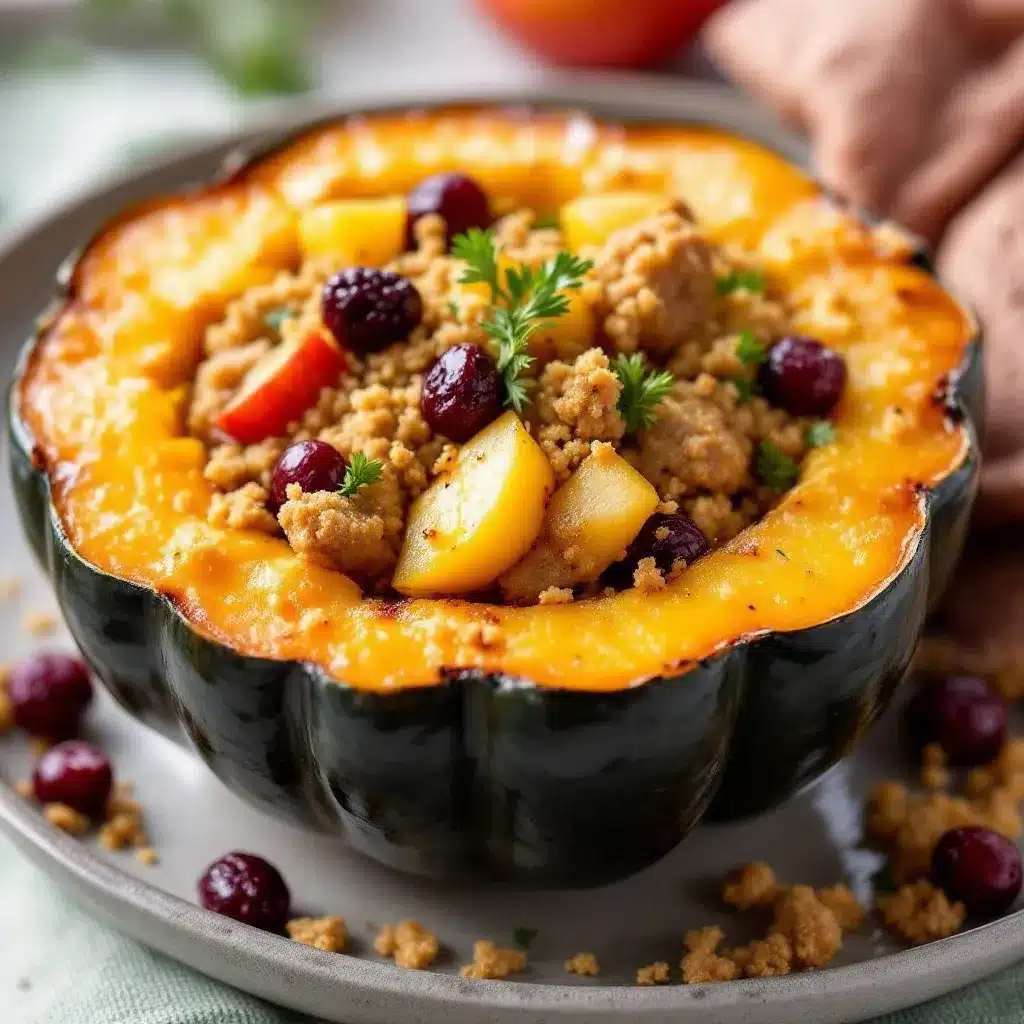
- Prep the Squash (10 minutes): Preheat your oven to 400°F (200°C). Carefully cut the acorn squash in half lengthwise. Use a sturdy knife and cut slowly. Scoop out the seeds and stringy pulp with a spoon. (Save the seeds if you want to roast them later as a snack). Rub the inside with a little olive oil and season with salt and pepper.
- Par-Roast the Squash (20 minutes): Place the squash halves cut-side down in your baking dish. Add about half an inch of water to the dish. This creates steam and helps them cook evenly. Roast for 20 minutes until the flesh is just starting to soften. (They should be tender but not collapsing). Remove from oven and flip them cut-side up.
- Cook the Sausage (5 minutes): While the squash roasts, heat your skillet over medium heat. Add the sausage meat. Break it up with a wooden spoon as it cooks. Cook until browned and no longer pink. (Drain excess fat if there is a lot, but leave some for flavor).
- Sauté Aromatics (3 minutes): To the same skillet, add the butter. Once melted, add the diced onion and cook until translucent. Add the garlic and cook for 30 seconds until fragrant. (Don’t burn the garlic!).
- Make the Stuffing (2 minutes): Add the walnuts, breadcrumbs, sage, Dijon mustard, and maple syrup to the skillet. Stir everything together with the sausage. Taste and adjust seasoning with salt and pepper. (It should smell amazing by now).
- Stuff and Finish (15 minutes): Spoon the mixture generously into the hollowed-out squash halves. Drizzle a little extra maple syrup over the top of the stuffing. Return to the oven and bake for another 15 minutes. (The stuffing should be golden and the squash fully tender).
- Rest and Serve: Remove from the oven and let them rest for 5 minutes before serving. This helps the stuffing set slightly. Garnish with extra fresh sage or chopped parsley if you like.
Watch the squash closely during the second bake. Ovens vary. If the top is browning too fast, you can loosely tent it with foil. The goal is tender squash and crispy-topped stuffing.
Cooking Tips & Techniques
Here are some secrets I’ve learned over the years to make this dish perfect every time.
- Par-roasting is key: Don’t skip the first bake. Raw squash takes forever to cook and can dry out the stuffing. Par-roasting ensures the vegetable is tender before you add the filling.
- Toast your nuts: Toasting the walnuts in a dry pan for 2-3 minutes before adding them to the stuffing enhances their flavor significantly. It’s a small step that makes a big difference.
- Don’t overpack the stuffing: Stuff the squash loosely. The ingredients will expand slightly as they cook. If you pack it too tight, it might spill over or not cook evenly.
- Use fresh herbs: Fresh sage is non-negotiable for this recipe. Dried sage can be dusty and bitter. If you only have dried, use half the amount and crumble it well.
- Check for doneness: Insert a knife into the thickest part of the squash flesh. It should slide in like butter. If there’s resistance, give it more time.
I once tried stuffing raw squash and ended up with hard squash and burnt stuffing. Never again. The two-stage cooking process is the only way to go. Also, taste your stuffing before you put it in the squash. Adjust the salt and pepper now, not later.
Variations & Adaptations
Feel free to make this recipe your own. Here are a few ideas.
- Vegetarian Option: Swap the sausage for lentils or chopped mushrooms. Mushrooms provide a great umami flavor that mimics the meat. (Use vegetable broth instead of meat juices).
- Gluten-Free: Use gluten-free breadcrumbs or crushed gluten-free crackers. Most sausages are naturally gluten-free, but check the label.
- Spicy Kick: Use hot Italian sausage and add red pepper flakes to the stuffing. Pair this with a cool side salad.
- Apple Cider Twist: Add a splash of apple cider to the stuffing mixture for extra moisture and flavor. This pairs beautifully with the maple.
- Cheese Lover: Sprinkle some goat cheese or feta on top before the final bake. The tangy cheese cuts through the sweetness perfectly.
I’ve tried adding cranberries to the stuffing, and it was delicious. The tartness balances the sweet maple. If you have leftover cozy slow cooker spiced apple cider, you can use it in the stuffing for a festive twist.
Serving & Storage Suggestions
Serve these warm, straight from the baking dish. They look beautiful on the table. Garnish with fresh herbs for a pop of color.
- Pairings: Serve with a simple green salad with vinaigrette to cut the richness. (Roasted Brussels sprouts are also great).
- Storage: Store leftovers in an airtight container in the fridge for up to 3 days. (The stuffing may soften slightly).
- Reheating: Reheat in the oven at 350°F for 10-15 minutes to crisp up the stuffing. (Microwaving makes the squash soggy).
- Freezing: You can freeze the stuffed squash, but the texture of the squash may change slightly upon thawing. (Best eaten fresh).
The flavors actually get better the next day as they meld together. If you’re meal prepping, this is a great option. Just reheat gently.
Nutritional Information & Benefits
This dish is packed with nutrients. Acorn squash is high in fiber, Vitamin A, and Vitamin C. Sausage provides protein, though it can be high in sodium. Walnuts add healthy omega-3 fatty acids.
- Calories: Approx. 350-400 per half squash.
- Fiber: High content from the squash and walnuts.
- Protein: Moderate amount from the sausage.
- Allergens: Contains nuts and potentially gluten (check sausage label).
I like that this meal feels indulgent but is actually quite nourishing. The vegetables provide essential vitamins, and the healthy fats from the walnuts keep you satisfied. It’s a balanced way to enjoy comfort food.
Conclusion
This Cozy Sausage Stuffed Acorn Squash is more than just a recipe. It’s a reminder to slow down and enjoy the season. It’s easy to make, delicious to eat, and perfect for sharing. I hope you give it a try and make it your own.
Feel free to swap ingredients based on what you have. Cooking is about experimentation. If you make this, I’d love to hear how it turns out. Leave a comment below with your thoughts or any variations you tried. Don’t forget to share a photo on social media and tag me. Let’s inspire each other in the kitchen.
Happy cooking! Here’s to cozy nights and good food.
Frequently Asked Questions
Can I use butternut squash instead of acorn squash?
You can, but the cooking time will be different. Butternut squash is denser and sweeter. You’ll need to roast it longer and the shape is different, so you’ll likely need to cube it and bake the stuffing separately or stuff it differently.
How do I know when the squash is done?
Insert a fork or knife into the flesh. If it goes in easily with no resistance, it’s done. The skin should also be slightly soft to the touch.
Can I make this ahead of time?
You can prep the stuffing and par-roast the squash ahead of time. Assemble and bake just before serving for the best texture. (The stuffing will absorb moisture if left too long).
Is there a dairy-free option?
Yes. Use olive oil instead of butter and ensure your sausage is dairy-free. Most sausages are, but check the label for fillers.
What other herbs go well with this?
Thyme and rosemary are great alternatives to sage. (Use fresh if possible, or 1/2 tsp dried). Parsley is good for garnish.
Pin This Recipe!
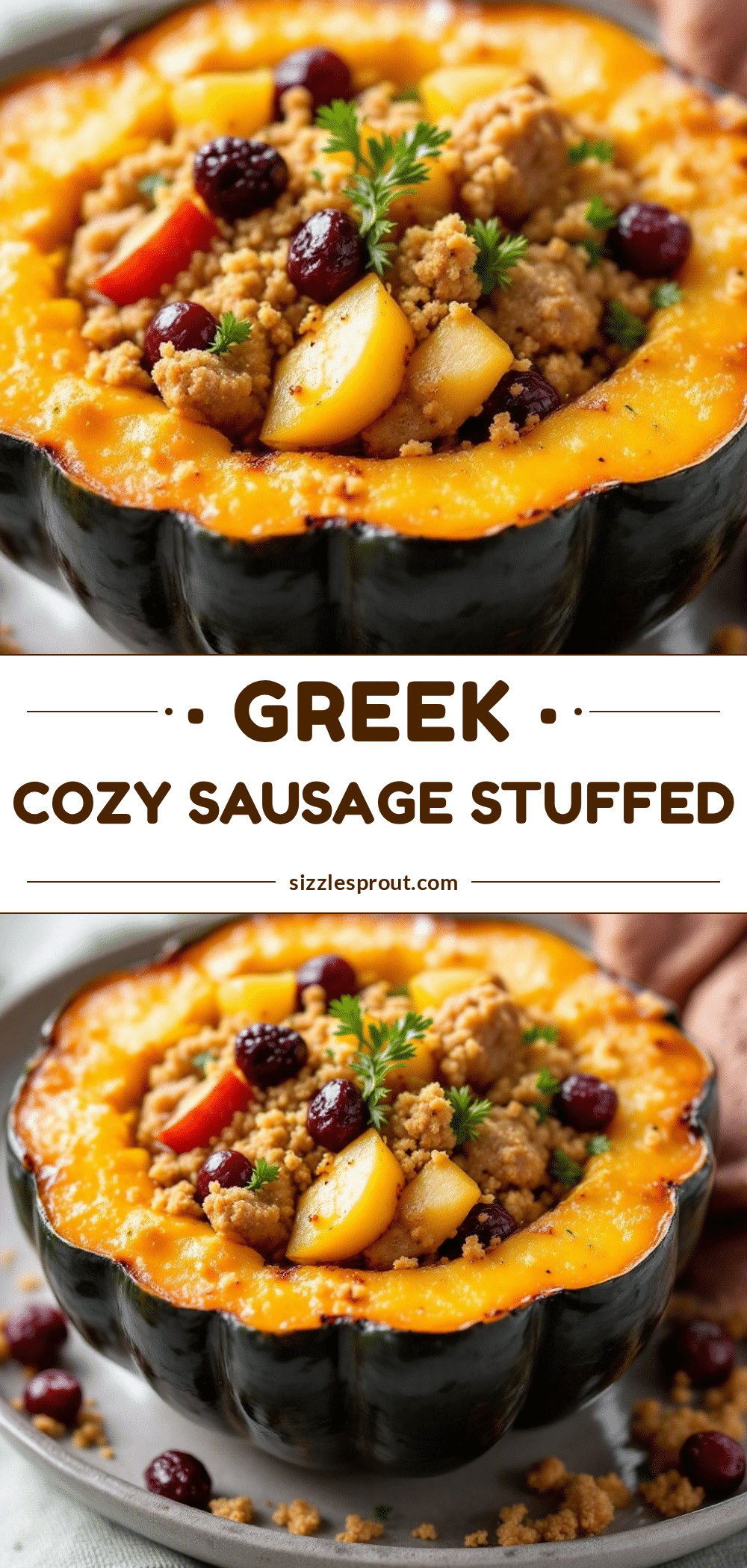
Cozy Sausage Stuffed Acorn Squash: 5-Step Easy Dinner

A hearty, rustic autumn dinner featuring tender roasted acorn squash halves filled with a savory mixture of Italian sausage, walnuts, breadcrumbs, and maple syrup. This easy weeknight meal balances sweet and salty flavors for a comforting, soul-soothing experience.
- Prep Time: 10 minutes
- Cook Time: 35 minutes
- Total Time: 45 minutes
- Yield: 4 servings 1x
- Category: Main Course
- Cuisine: American
Ingredients
- 2 medium acorn squash (approx. 1.5 lbs each)
- 1 lb Italian sausage (mild or hot, removed from casings)
- 1 medium yellow onion, finely diced
- 2 cloves garlic, minced
- 2 tbsp unsalted butter (or olive oil for dairy-free)
- 1/2 cup chopped walnuts
- 1 cup panko or standard breadcrumbs
- 3 tbsp real maple syrup
- 1 tbsp fresh sage, chopped
- 1 tsp Dijon mustard
- Salt and black pepper to taste
- Pinch of red pepper flakes (optional)
- Olive oil for rubbing squash
- 1/2 inch water for baking dish
Instructions
- Preheat oven to 400°F (200°C). Cut acorn squash in half lengthwise, scoop out seeds and pulp, rub inside with olive oil, and season with salt and pepper.
- Place squash halves cut-side down in a 9×13 inch baking dish with 1/2 inch of water. Roast for 20 minutes until flesh is just starting to soften. Remove from oven and flip cut-side up.
- While squash roasts, heat a large skillet over medium heat. Cook sausage, breaking it up with a spoon, until browned. Drain excess fat if necessary.
- Add butter to the skillet. Once melted, add diced onion and cook until translucent. Add garlic and cook for 30 seconds until fragrant.
- Add walnuts, breadcrumbs, sage, Dijon mustard, and maple syrup to the skillet. Stir to combine with the sausage. Taste and adjust seasoning with salt and pepper.
- Spoon the stuffing mixture generously into the hollowed-out squash halves. Drizzle a little extra maple syrup over the top.
- Return to the oven and bake for another 15 minutes until stuffing is golden and squash is fully tender.
- Remove from oven and let rest for 5 minutes before serving. Garnish with fresh sage or parsley if desired.
Notes
Par-roasting the squash is key to ensuring it is tender without drying out the stuffing. Toast walnuts in a dry pan for 2-3 minutes before adding to stuffing for enhanced flavor. Do not overpack the stuffing as ingredients will expand. For a vegetarian option, swap sausage for lentils or mushrooms. Use olive oil instead of butter for a dairy-free version.
Nutrition
- Serving Size: 1 half squash with s
- Calories: 375
- Sugar: 12
- Sodium: 650
- Fat: 22
- Saturated Fat: 6
- Carbohydrates: 28
- Fiber: 5
- Protein: 15
Keywords: acorn squash, stuffed squash, sausage recipe, fall dinner, autumn recipes, maple glazed squash, comfort food, easy weeknight dinner, vegetarian option available