Love this? Save it for later!
Share the inspiration with your friends
I was standing over the open oven door, holding a baking sheet that was getting uncomfortably warm against my shins. The smell of garlic was already thick in the kitchen, pungent and sharp, which is usually a good sign. But the honey glaze I’d brushed on top looked like it was starting to darken at the edges. I had read somewhere that sugar burns fast, and my brain was screaming that I was about to serve charred fish with a bitter coating.
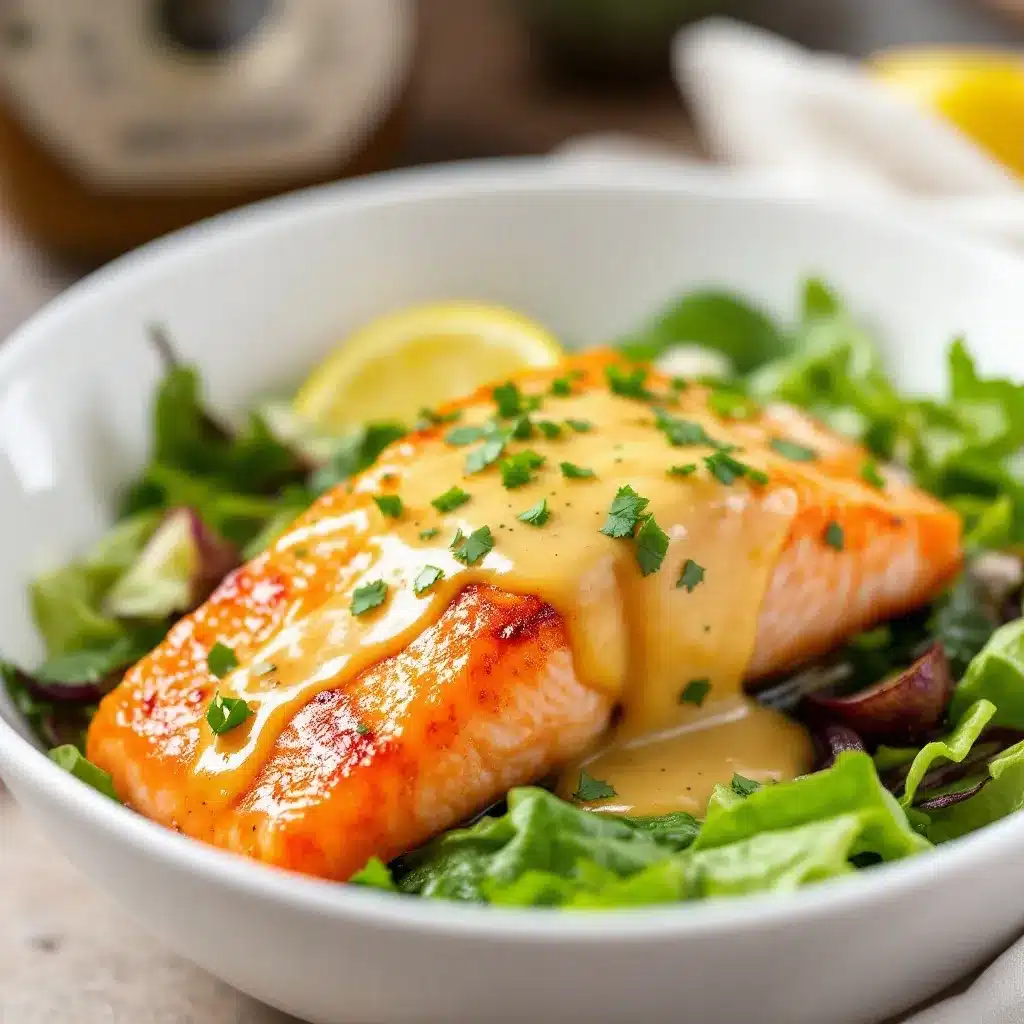
I pulled the tray out anyway, just to check. The honey hadn’t burned. It had caramelized into this glossy, sticky amber that clung to the salmon flakes. The lemon butter underneath had bubbled up through the gaps, creating little pools of rich, golden sauce. It looked nothing like the dry, overcooked disasters I’d attempted before. It looked like something you’d actually pay money for at a restaurant.
Honestly, I was skeptical. I’ve made enough baked salmon in my life to know that it’s a finicky ingredient. Too hot, and it turns into rubber. Too little time, and it’s still cold in the middle. This honey garlic baked salmon with lemon butter felt like a cheat code. The sweetness from the honey masked the fishiness, and the garlic gave it that savory punch you crave on a Tuesday night. The lemon butter cut through the richness so it didn’t feel heavy.
I took a bite while it was still hot, burning my tongue slightly because I couldn’t wait. The texture was flaky and tender, not dry at all. The sauce had thickened just enough to coat the back of a spoon. I realized then that I wasn’t going to need to change this recipe. It was already perfect. I just needed to make sure I had enough bread to soak up the extra sauce.
Why You’ll Love This Recipe
There is a specific kind of magic that happens when you combine sweet, savory, and acidic flavors in a single pan. This honey garlic baked salmon with lemon butter isn’t just another fish recipe; it’s the one that saves your dinner plans when you have zero energy left after work. I’ve tested this version at least a dozen times, tweaking the garlic ratio and the honey viscosity, until I landed on this exact balance.
Here is why this recipe stays in the weekly rotation:
- Quick & Easy: From prep to plate in under 25 minutes. You don’t need to marinate it for hours or wait for the oven to preheat to a specific degree. It’s perfect for those nights when you’re hungry and impatient.
- Simple Ingredients: You likely already have every single item in your kitchen right now. No specialty stores, no obscure spices. Just honey, garlic, lemon, butter, and salmon.
- Perfect for Weeknights: It feels fancy enough for a date night but simple enough for a solo meal. It pairs well with almost any side dish, from roasted asparagus to simple rice.
- Crowd-Pleaser: Even the pickiest eaters who claim they “don’t like fish” usually love this. The honey masks any strong fishy flavors, making it approachable for kids and adults alike.
- Unbelievably Delicious: The combination of the sticky, caramelized glaze and the creamy lemon butter sauce creates a texture contrast that is pure comfort food. It’s moist, flavorful, and satisfying.
What makes this different from other recipes online is the technique. Most people just dump ingredients on top. Here, we create a emulsion of sorts with the butter and lemon juice that bastes the fish as it cooks. This keeps the salmon moist while the honey sets into a beautiful crust. It’s not just good; it’s the kind of meal that makes you forget about the stress of the day.
What Ingredients You Will Need
This recipe relies on high-quality basics to deliver bold flavor without the fuss. The key is balancing the sweetness of the honey with the sharpness of the garlic and the acidity of the lemon. You don’t need exotic spices when you have these fundamentals working together.
For the Salmon
- Salmon fillets: 4 pieces, about 6 ounces each. Skin-on or skinless works, but skin-on helps keep it moist. Look for bright red flesh and no milky white protein on the surface.
- Neutral oil: 1 tablespoon. Olive oil or avocado oil works best to prevent burning.
- Salt and pepper: To taste. Use kosher salt for better control.
For the Honey Garlic Glaze
- Honey: 3 tablespoons. Raw honey is great, but any standard honey works. I prefer clover honey for its mild floral notes.
- Garlic: 3 cloves, minced finely. Fresh is non-negotiable here. Jarred garlic has a metallic taste that clashes with the fresh lemon.
- Soy sauce: 1 tablespoon. Adds umami and depth. Use low-sodium if you’re watching your salt intake.
- Rice vinegar: 1 teaspoon. Adds a subtle tang that balances the sweetness.
For the Lemon Butter Finish
- Unsalted butter: 2 tablespoons. High-quality butter makes a difference here. I like European-style butter for its higher fat content.
- Fresh lemon juice: 1 tablespoon. Never use bottled lemon juice. It tastes flat and artificial.
- Lemon zest: From one lemon. This adds the aromatic oils that make the dish smell amazing.
- Fresh parsley: 1 tablespoon, chopped. For color and a fresh finish.
If you can’t find fresh salmon, frozen fillets work too. Just make sure to thaw them slowly in the fridge overnight. For a dairy-free option, swap the butter for olive oil or a plant-based butter alternative.
Equipment Needed
You don’t need a lot of fancy gadgets to pull this off. A standard baking sheet is all you really need. I prefer a rimmed baking sheet because it contains the juices and prevents them from spilling into the oven, which causes smoke. Line it with parchment paper for easy cleanup. I know some people swear by foil, but parchment gives you a better non-stick surface and doesn’t stick to the glaze.
A small mixing bowl is needed for the glaze. A whisk helps emulsify the honey and soy sauce, but a fork works in a pinch. A microplane or fine grater is useful for the lemon zest. If you don’t have one, a regular zester works, just be careful not to get the white pith, which is bitter. A silicone brush is helpful for applying the glaze evenly, though a spoon works fine too.
If you have an oven thermometer, use it. Ovens are often inaccurate, and knowing the true temperature helps prevent burning. No specialized equipment is required, keeping this budget-friendly and accessible.
Preparation Method
- Preheat the oven. Set your oven to 400°F (200°C). Place the rack in the upper-middle position. This ensures the top of the salmon gets some heat for caramelization without overcooking the bottom. This takes about 10 minutes to heat up fully.
- Prepare the salmon. Pat the salmon fillets dry with paper towels. This step is crucial. Moisture is the enemy of caramelization. If the fish is wet, the honey will steam instead of glaze. Season both sides lightly with salt and pepper. Place them on the prepared baking sheet, leaving space between each fillet.
- Make the glaze. In a small bowl, whisk together the honey, minced garlic, soy sauce, and rice vinegar. The mixture should be smooth and slightly thick. Taste it; it should be sweet with a savory kick. If it’s too sweet, add a tiny splash more vinegar.
- Apply the glaze. Brush a generous layer of the honey garlic mixture over the top of each salmon fillet. Save a little bit for later if you want a extra sticky finish. Don’t brush the sides or bottom; you want that flavor on top where it can caramelize.
- Bake. Place the sheet in the oven. Bake for 12-15 minutes. The exact time depends on the thickness of your fillets. A general rule is 10 minutes per inch of thickness. The salmon is done when it flakes easily with a fork and is opaque throughout but still moist.
- Make the lemon butter. While the salmon bakes, melt the butter in a small saucepan over low heat. Stir in the lemon juice and zest. Let it simmer for 1-2 minutes to let the flavors meld. It should be fragrant and slightly reduced.
- Combine and serve. Remove the salmon from the oven. Immediately drizzle the warm lemon butter sauce over the hot fish. The heat from the salmon will help the sauce adhere. Sprinkle with fresh chopped parsley. Serve immediately while the glaze is still sticky and warm.
Watch the fish closely in the last few minutes. Honey burns quickly, so if it’s browning too fast, you can tent it loosely with foil. But honestly, at 400°F, it usually takes the full time without scorching.
Cooking Tips & Techniques
The biggest mistake people make with salmon is overcooking it. It’s better to pull it out a minute early than to let it dry out. The residual heat will continue to cook it on the plate. I once left a fillet in for an extra five minutes because I was distracted by a phone call. It was like eating a piece of dry wood. Don’t be me. Use a fork to gently press the top; if it flakes apart easily, it’s done.
Another tip is to room temperature your salmon. If you take it straight from the fridge, the center stays cold while the outside overcooks. Let it sit on the counter for 15-20 minutes before baking. This ensures even cooking throughout.
When mincing the garlic, try to get it as fine as possible. Large chunks of garlic can burn in the oven and turn bitter. If you hate garlic, you can reduce the amount, but it’s a key flavor component here. For a smoother glaze, you can slightly warm the honey before mixing it with the soy sauce.
Multitasking is key here. While the salmon is in the oven, prepare your sides. This recipe cooks fast, so you don’t want to be chopping vegetables when the timer goes off. Have your plates ready and warm if possible. Warm plates keep the salmon hot longer.
Consistency comes with practice. Once you get the hang of the timing, you’ll be able to glance at the oven and know exactly when to pull it out. Trust your eyes and your fork more than the clock.
Variations & Adaptations
This recipe is a canvas for your creativity. Here are a few ways to tweak it:
- Spicy Kick: Add a pinch of red pepper flakes or a dash of Sriracha to the honey glaze. This adds a nice heat that contrasts with the sweet honey.
- Ginger Twist: Add one teaspoon of fresh grated ginger to the glaze. This pairs beautifully with the garlic and adds an Asian-inspired flavor profile.
- Dairy-Free: Swap the butter in the lemon sauce for olive oil or coconut oil. It changes the flavor slightly but keeps the dish rich and moist.
- Gluten-Free: Use tamari instead of soy sauce. This is a direct swap and maintains the umami depth without the gluten.
- Herb Variation: Swap parsley for cilantro or dill. Dill is classic with salmon and adds a fresh, grassy note.
I’ve tried adding a touch of chili crisp to the glaze, and it was surprisingly good. The oil from the chili crisp adds a nice shine, and the crunch adds texture. Feel free to experiment based on what you have in your pantry.
Serving & Storage Suggestions
Serve this salmon hot, right out of the oven. It pairs wonderfully with fluffy jasmine rice, quinoa, or roasted vegetables like asparagus or broccoli. The lemon butter sauce is perfect for soaking up with crusty bread. I usually serve it with a simple green salad dressed with a light vinaigrette to cut through the richness.
For storage, let the salmon cool completely before placing it in an airtight container. It will keep in the refrigerator for up to 3 days. Reheat gently in the microwave on low power, or better yet, in a skillet over low heat with a splash of water to keep it moist. Avoid high heat, which will dry it out further.
You can freeze the cooked salmon, but the texture may change slightly. It’s best eaten fresh. If you have leftover glaze, store it in a jar in the fridge and use it as a dip for vegetables or a marinade for chicken later.
The flavors meld and deepen slightly after a day in the fridge, making it a great option for meal prep. Just be aware that the lemon flavor might become more pronounced over time.
Nutritional Information & Benefits
Salmon is a nutritional powerhouse, rich in omega-3 fatty acids which are great for heart and brain health. This recipe provides a high-protein, low-carb meal that is satisfying without being heavy. The honey adds natural sugars, so keep an eye on portions if you’re watching your sugar intake. The lemon adds vitamin C, and the garlic has anti-inflammatory properties. It’s a balanced, wholesome meal that supports overall wellness. For those on a low-carb diet, skip the rice and enjoy it with cauliflower rice.
Conclusion
This honey garlic baked salmon with lemon butter is a game-changer for weeknight dinners. It’s simple, delicious, and impressive all at once. I hope you try it and find it as much of a comfort as I do. Feel free to adjust the spices to suit your taste. Let me know how it turns out in the comments below. I love hearing about your kitchen adventures. Don’t forget to share a photo if you make it!
Frequently Asked Questions
Can I use frozen salmon for this recipe?
Yes, but you must thaw it completely in the refrigerator overnight. Pat it very dry before seasoning to ensure the glaze sticks properly.
What side dishes go well with this salmon?
Rice, quinoa, roasted asparagus, steamed broccoli, or a simple green salad are all excellent choices. The lemon butter sauce pairs well with starchy sides.
How do I know when the salmon is done?
It’s done when it flakes easily with a fork and is opaque throughout. The internal temperature should reach 145°F (63°C), but many chefs prefer pulling it at 135°F for a moister result.
Can I grill this instead of baking?
You can, but be careful. Honey burns easily on a grill. Use a grill basket or foil packet to prevent sticking and burning. Keep the heat medium-low.
Is this recipe gluten-free?
Not as written, due to the soy sauce. Simply swap regular soy sauce for tamari or coconut aminos to make it gluten-free.
Pin This Recipe!
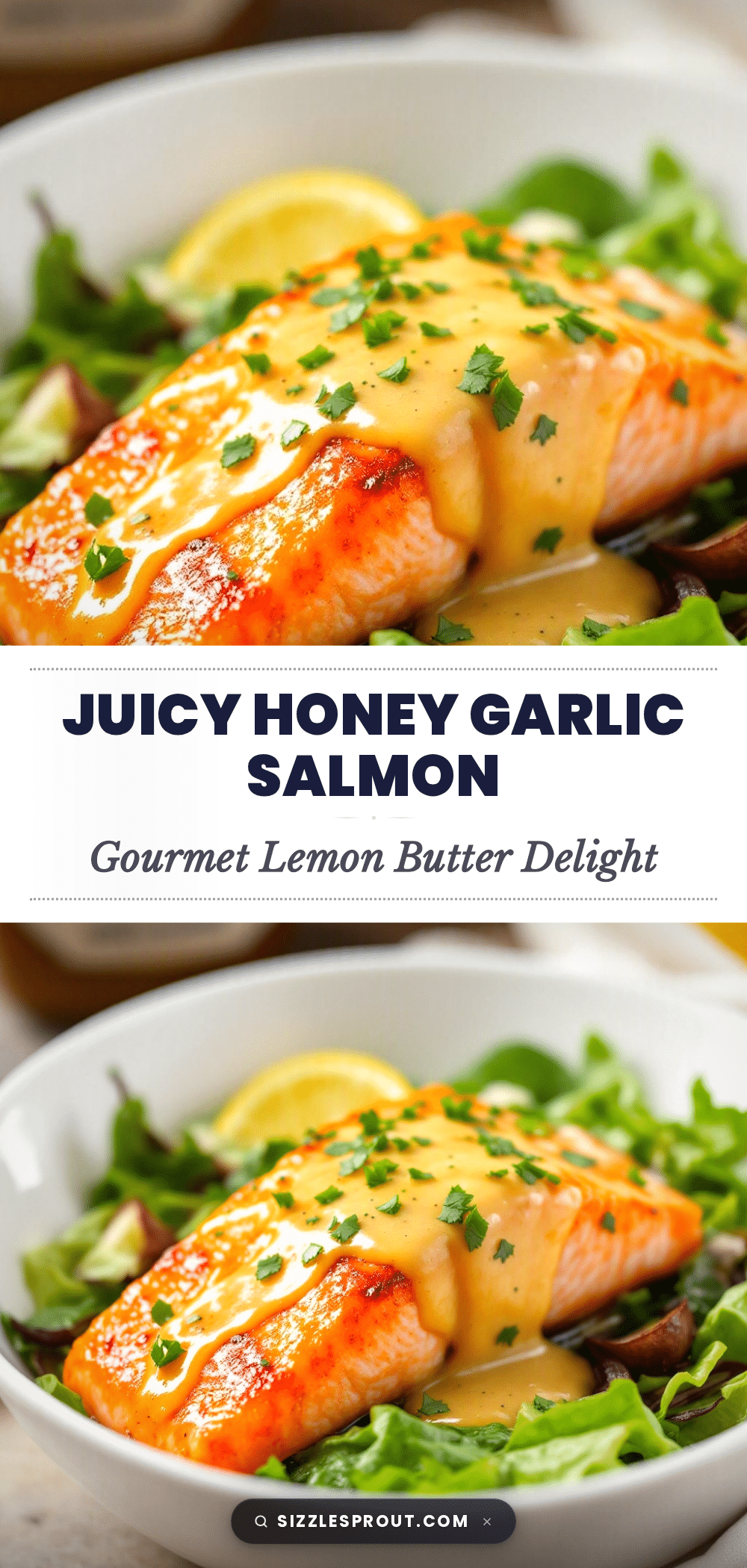
Honey Garlic Baked Salmon with Lemon Butter

A quick and easy weeknight dinner featuring salmon fillets baked with a sweet and savory honey garlic glaze, finished with a rich lemon butter sauce.
- Prep Time: 10 minutes
- Cook Time: 15 minutes
- Total Time: 25 minutes
- Yield: 4 servings 1x
- Category: Main Course
- Cuisine: American
Ingredients
- 4 salmon fillets (about 6 ounces each)
- 1 tablespoon neutral oil (olive or avocado oil)
- Salt and pepper to taste
- 3 tablespoons honey
- 3 cloves garlic, minced finely
- 1 tablespoon soy sauce (or tamari for gluten-free)
- 1 teaspoon rice vinegar
- 2 tablespoons unsalted butter
- 1 tablespoon fresh lemon juice
- Zest of 1 lemon
- 1 tablespoon fresh parsley, chopped
Instructions
- Preheat oven to 400°F (200°C) and place the rack in the upper-middle position.
- Pat salmon fillets dry with paper towels and season both sides lightly with salt and pepper.
- Place salmon on a parchment-lined rimmed baking sheet, leaving space between fillets.
- In a small bowl, whisk together honey, minced garlic, soy sauce, and rice vinegar until smooth.
- Brush the honey garlic mixture generously over the top of each salmon fillet.
- Bake for 12-15 minutes, or until salmon flakes easily with a fork and is opaque throughout.
- While salmon bakes, melt butter in a small saucepan over low heat.
- Stir in lemon juice and zest, simmering for 1-2 minutes to meld flavors.
- Remove salmon from oven and immediately drizzle with the warm lemon butter sauce.
- Sprinkle with fresh chopped parsley and serve immediately.
Notes
Pat salmon dry before seasoning to ensure proper caramelization. Room temperature salmon cooks more evenly. Watch closely in the last few minutes as honey can burn. For a spicy kick, add red pepper flakes to the glaze. Swap soy sauce for tamari to make it gluten-free.
Nutrition
- Serving Size: 1 salmon fillet with
- Calories: 350
- Sugar: 11
- Sodium: 450
- Fat: 18
- Saturated Fat: 6
- Carbohydrates: 12
- Protein: 30
Keywords: salmon, honey garlic, baked salmon, lemon butter, weeknight dinner, easy seafood, healthy dinner, omega-3