Love this? Save it for later!
Share the inspiration with your friends
“I never thought my eight-year-old would be the one asking to cook dinner,” I remember telling my friend last Thursday evening, while we juggled our busy schedules and hungry tummies. It all started when I handed my son a simple recipe card for a peanut butter and banana wrap, expecting him to make a quick snack. Instead, he came back with a grin, proudly holding a plate with his own little twists—sprinkled chocolate chips and a drizzle of honey. That moment changed everything. Suddenly, cooking wasn’t just my job anymore; it became a shared adventure full of laughter, tiny messes, and surprisingly delicious results.
You know that feeling when kids get genuinely excited about food? It’s like they unlock a little magic in the kitchen. Honestly, these easy fun recipes kids can make themselves are more than just meals—they’re confidence builders, creativity boosters, and family bonding moments all rolled into one. And let me tell you, if your kitchen has ever felt like a battleground, this is the kind of recipe collection that turns it into a playground.
Maybe you’ve been there—trying to keep dinner simple, wanting to involve your kids but worried about the chaos. I get it. I’ve seen the flour explosions and the accidental spills. Yet, those imperfect, slightly chaotic moments always ended up with smiles and stories that stuck. This collection of 10 homemade ideas is exactly what you need to make cooking fun and approachable for little hands. The best part? These recipes are designed so kids can enjoy making them with minimal help, giving them a real sense of accomplishment (and you a breather!).
So, whether it’s a rainy afternoon or a weekend craving for something tasty, these recipes come from my own kitchen experiments and the many times my young apprentices surprised me. You’ll find simple, tasty, and colorful dishes that encourage kids to learn, create, and most importantly, taste their own success. Ready to see what your little chefs can whip up? Let’s get cooking!
Why You’ll Love These Easy Fun Recipes Kids Can Make Themselves
After years of testing recipes with my own kids and neighborhood little ones, I can say these easy fun recipes kids can make themselves have a charm that goes beyond just food. They’re kid-friendly, foolproof, and packed with flavor that even picky eaters adore.
- Quick & Easy: Each recipe comes together in under 30 minutes, perfect for those busy school days or spontaneous snack cravings.
- Simple Ingredients: No need for fancy shopping trips; most ingredients are pantry staples or fresh produce you already have on hand.
- Perfect for All Occasions: These recipes shine at birthday parties, after-school snacks, or even as fun weekend projects.
- Crowd-Pleaser: From crunchy snacks to sweet treats, these dishes always win over both kids and adults.
- Unbelievably Delicious: The textures and flavors balance just right—think crispy, creamy, sweet, and savory all in one bite.
What makes these recipes stand out is the focus on independence. I’ve carefully crafted each one to let kids feel like real chefs while keeping safety and simplicity front and center. For example, no complicated chopping or stovetop hazards—just mixing, assembling, and a little baking or toasting where needed. It’s not just another batch of cookies; it’s the recipe where kids learn to trust their taste buds and skills.
Honestly, I love how these recipes turn cooking into a joyful experience—not a chore. You’ll find kids closing their eyes savoring the first bite, proud of what they created. It’s food with soul, made by little hands, and that’s the kind of magic you want to have in your kitchen.
What Ingredients You Will Need
These easy fun recipes kids can make themselves rely on wholesome, easy-to-find ingredients that create big flavors without fuss. Most are items you likely have stocked already, making it super simple to get started anytime.
- For the Base and Batter:
- All-purpose flour (or whole wheat for a healthier twist)
- Baking powder (for fluffy treats)
- Sugar (regular granulated or brown sugar for warmth)
- Eggs (large, room temperature)
- Milk (whole or any plant-based alternative like almond or oat)
- Fruit and Veggies:
- Bananas (ripe, mashed for natural sweetness)
- Carrots (grated, a sneaky way to add nutrition)
- Apples (sliced thin or diced)
- Cherry tomatoes (for savory snacks)
- Spreads and Mix-ins:
- Peanut butter (smooth or crunchy, your call)
- Nutella or chocolate spread (for occasional treat days)
- Yogurt (plain or flavored, great for dips)
- Honey or maple syrup (natural sweeteners)
- Shredded cheese (mild cheddar or mozzarella)
- Extras and Toppings:
- Chocolate chips (semi-sweet or milk chocolate)
- Chopped nuts (almonds, pecans – optional for allergy-friendly versions)
- Cinnamon and vanilla extract (for flavor boosts)
- Mini marshmallows (for fun desserts)
One tip: I always keep a bag of frozen berries handy for swapping into recipes when fresh isn’t in season—my kids love the burst of color and flavor. And if allergies are a concern, simply swap peanut butter with sunflower seed butter or tahini for a nut-free option. I recommend looking for organic and unsweetened versions of spreads and yogurts to keep it wholesome. Trust me, the simpler the ingredients, the more kids get to shine with their creations.
Equipment Needed
Thankfully, these easy fun recipes kids can make themselves require minimal equipment—nothing fancy, just the basics you probably already own.
- Mixing Bowls: A couple of medium-sized bowls for combining ingredients. Plastic or glass works fine, but I prefer lightweight plastic for little hands.
- Measuring Cups and Spoons: Essential for teaching kids about measurements and keeping recipes consistent. I like colorful sets to keep it fun.
- Whisk and Wooden Spoon: For mixing batters and stirring spreads. A whisk is great for making smooth pancake batter.
- Baking Sheets and Parchment Paper: For baking cookies, flatbreads, or roasting veggies. Parchment paper cuts down on mess and cleanup.
- Toaster or Oven: Many recipes use simple toasting or baking steps. If you don’t have an oven, a toaster oven or even a microwave with careful timing can work for some snacks.
- Butter Knife or Plastic Spreader: Perfect for little chefs to spread peanut butter or jam safely.
- Kid-Safe Scissors: Handy for cutting parchment paper or soft veggies like bell peppers.
Pro tip: Let kids pick their favorite tools to use—it makes them feel in charge. And if you’re on a budget, many dollar stores carry basic baking sets that are surprisingly durable. I’ve learned that even the simplest tools, when paired with kid enthusiasm, turn into powerful cooking allies.
Preparation Method
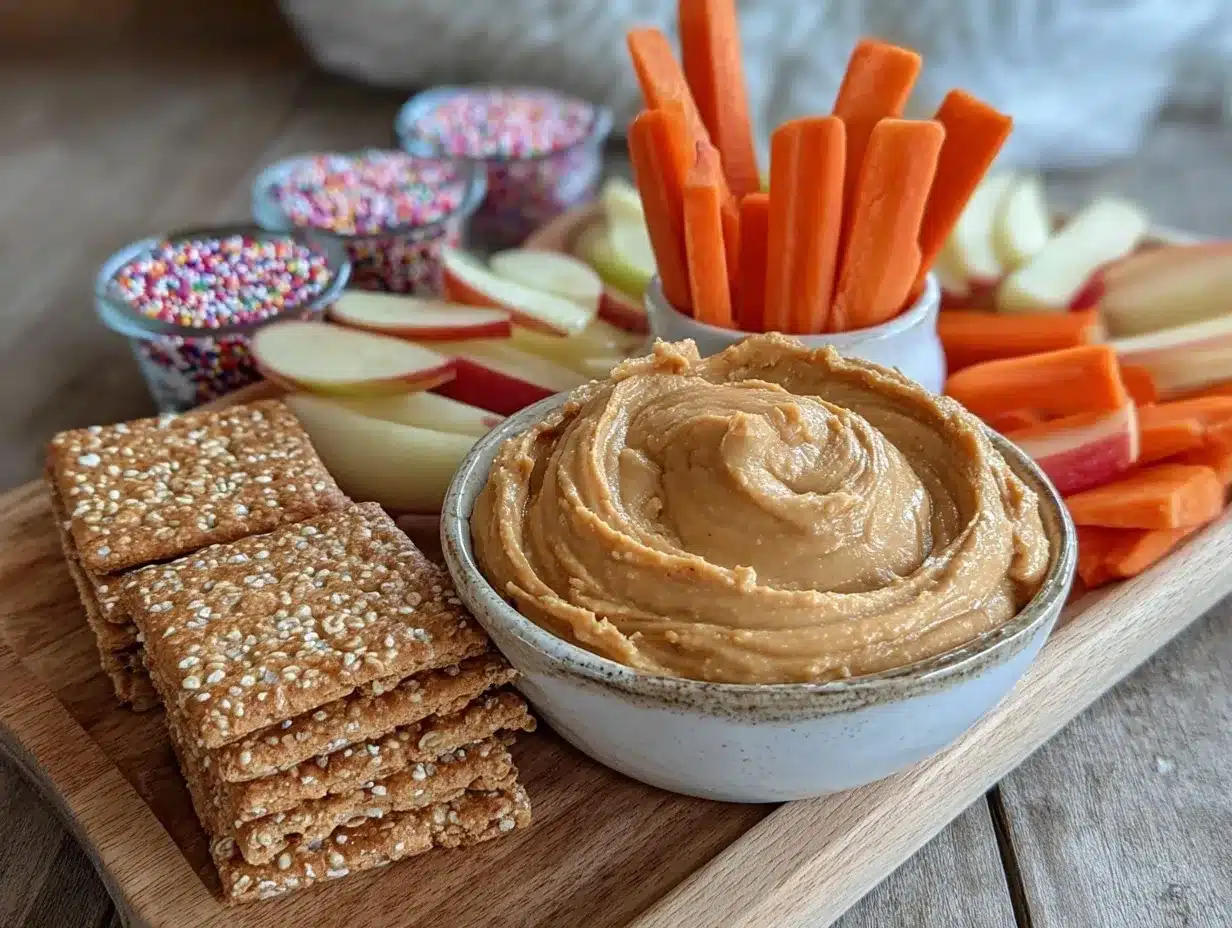
- Gather Ingredients and Tools (10 minutes): Start by laying out all ingredients and equipment on a clean workspace. This visual helps kids understand what’s needed and reduces interruptions mid-recipe. It’s also a great moment to talk about ingredient names and colors.
- Mix Dry Ingredients (5 minutes): In a medium bowl, combine flour, baking powder, and sugar. Let your kiddo use a whisk or spoon to mix gently until even. You’ll notice the light scent of baking powder—a sign the recipe will rise nicely.
- Add Wet Ingredients (10 minutes): In a separate bowl, beat eggs and milk together. For recipes involving mashed bananas or yogurt, stir those in here. Have kids pour wet ingredients carefully into the dry mix, then fold together until smooth but don’t overmix or batter will be tough.
- Prepare Baking or Cooking Surface (5 minutes): Line baking sheets with parchment paper or lightly grease pans with butter or oil. This step is perfect for teaching kids about preventing sticking and cleaning up.
- Shape or Assemble (10-15 minutes): Depending on the recipe—whether making mini pancakes, wraps, or no-bake bars—guide kids to spoon batter onto the tray or assemble ingredients. Encourage creativity here; it’s okay if the shapes aren’t perfect!
- Cooking or Baking (varies): For baked goods, preheat oven to 350°F (175°C) and bake for 10-15 minutes or until golden. For no-bake recipes, chilling in the fridge for 30 minutes helps set flavors and texture. Always supervise this part, especially with oven use, but kids love checking progress through the window.
- Cool and Enjoy (5 minutes): Let treats cool slightly before digging in. This is a great time to talk about textures and flavors—ask kids what they taste or smell. It helps build food vocabulary and mindfulness.
Little hiccup moments? Like one time I forgot to add baking powder and ended up with flat pancakes—don’t sweat it! Mistakes are all part of the fun and learning. Just remind kids that cooking is as much about experimenting as it is about following steps.
Cooking Tips & Techniques
When teaching kids these easy fun recipes, a few handy tips make the experience smoother and more enjoyable.
- Use Visual Measuring Tools: Measuring cups with clear markings help kids see quantities and feel more confident. I always let mine pour small ingredients themselves to build motor skills.
- Prep Ingredients in Advance: Chop, mash, or sift ahead of time to keep things moving and avoid frustration. For instance, having bananas mashed and ready makes mixing quicker.
- Keep Utensils Child-Friendly: Use plastic knives and lightweight bowls to keep safety top priority. I learned this the hard way after a small hand slipped with a heavy metal bowl.
- Encourage Sensory Exploration: Let kids smell spices, touch ingredients, and taste test small bits—this builds their food curiosity and palate.
- Multitask Smartly: While something bakes, prep the next step or tidy up. This helps keep kids engaged and reduces downtime boredom.
- Be Patient with Mess: Cooking with kids is often messy, and honestly, that’s where the best memories come from. Have towels ready and embrace the flour dust clouds!
One lesson I learned the hard way was not to rush batter mixing. Overmixing makes baked goods tough, so a few lumps are okay. And always remind kids to wash hands before and after handling food—it’s a good habit that sticks.
Variations & Adaptations
These easy fun recipes are wonderfully flexible, ready to bend to your family’s tastes and needs.
- Dietary Swaps: Use gluten-free flour blends for gluten sensitivities or swap dairy milk with almond or soy milk for lactose intolerance.
- Seasonal Twists: In fall, add pumpkin puree and cinnamon; in summer, toss in fresh berries or peaches for bright bursts of flavor.
- Flavor Upgrades: Add a pinch of nutmeg or cardamom for warmth, or a splash of orange zest for a fresh twist.
- Cooking Method Changes: Try air-frying some snacks instead of baking for a quicker, crispier finish.
- Personal Favorite: My kids love swapping peanut butter with cream cheese and adding sliced strawberries for a sweet, creamy snack that’s always a hit.
Allergy-conscious? No problem—sunflower seed butter works great in place of nuts, and you can leave out chocolate chips or use carob chips for a different flavor profile. The goal is to keep it fun and accessible.
Serving & Storage Suggestions
Serve these kid-made delights warm or at room temperature, depending on the recipe. For example, mini pancakes are best right off the griddle, while no-bake bars taste great chilled.
- Pair sweet snacks with a glass of milk or fresh juice to keep things balanced.
- Savory options go well with simple sides like carrot sticks or cucumber slices.
- Store leftovers in airtight containers in the refrigerator for up to 3 days.
- Freeze baked goods like muffins or bars wrapped tightly for up to a month; thaw overnight in the fridge before serving.
- Reheat gently in the microwave or toaster oven to bring back that fresh-baked feeling.
- Flavors often deepen overnight, making these snacks even tastier the next day (if they last that long!).
One trick I picked up is letting kids help pack their own snack boxes for school or outings—it’s a proud moment for them and cuts down on morning chaos.
Nutritional Information & Benefits
While I’m no nutritionist, I keep these easy fun recipes balanced with wholesome ingredients that fuel growing bodies:
- Rich in protein from eggs, dairy, and nut butters to support energy and growth.
- Fiber from fruits, whole grains, and veggies promotes digestion and fullness.
- Natural sugars from fruits and honey instead of refined sugars keep treats healthier.
- Calcium and vitamins from dairy or fortified plant milks support strong bones.
- Gluten-free and dairy-free options are easy to swap in for dietary needs.
These recipes fit well into a balanced diet and teach kids about portion sizes and ingredient choices. Plus, when kids make their own food, they’re more likely to eat it—and enjoy it—which is a win for everyone.
Conclusion
These easy fun recipes kids can make themselves are more than just meals; they’re little celebrations of creativity, learning, and joy. I love how they transform my kitchen into a lively classroom where mistakes become lessons and flavors spark smiles.
Feel free to tweak these recipes to fit your family’s taste buds and dietary needs—cooking should be as flexible as it is fun. Honestly, seeing a child beam with pride over something they made with their own hands is priceless.
If you try any of these recipes, I’d be thrilled to hear how it went or see your little chefs in action. Drop a comment below or share your own twists—I’m always here to cheer you on!
Remember, the best recipe is the one shared with love and a side of giggles. Happy cooking!
FAQs About Easy Fun Recipes Kids Can Make Themselves
Can kids with no cooking experience safely make these recipes?
Absolutely! These recipes are designed with simple steps and kid-safe techniques. Adult supervision is recommended, especially around ovens or sharp tools.
What if my child has food allergies?
Many ingredients can be swapped to accommodate allergies—like using sunflower seed butter instead of peanut butter or gluten-free flours. Always double-check ingredients and adapt as needed.
How can I keep my child interested in cooking?
Let them choose recipes, involve them in shopping, and celebrate their creations. Keep sessions short and fun to match their attention spans.
Are these recipes suitable for picky eaters?
Yes, the recipes offer a variety of flavors and textures, many of which are customizable to suit individual preferences.
What if I don’t have an oven?
Some recipes work well with a toaster oven, microwave, or stovetop alternatives. I include notes on cooking methods so you can adjust based on your kitchen setup.
For more creative family-friendly meals, you might enjoy the crispy garlic chicken or the colorful veggie-packed pasta that kids love to help prepare.
Pin This Recipe!
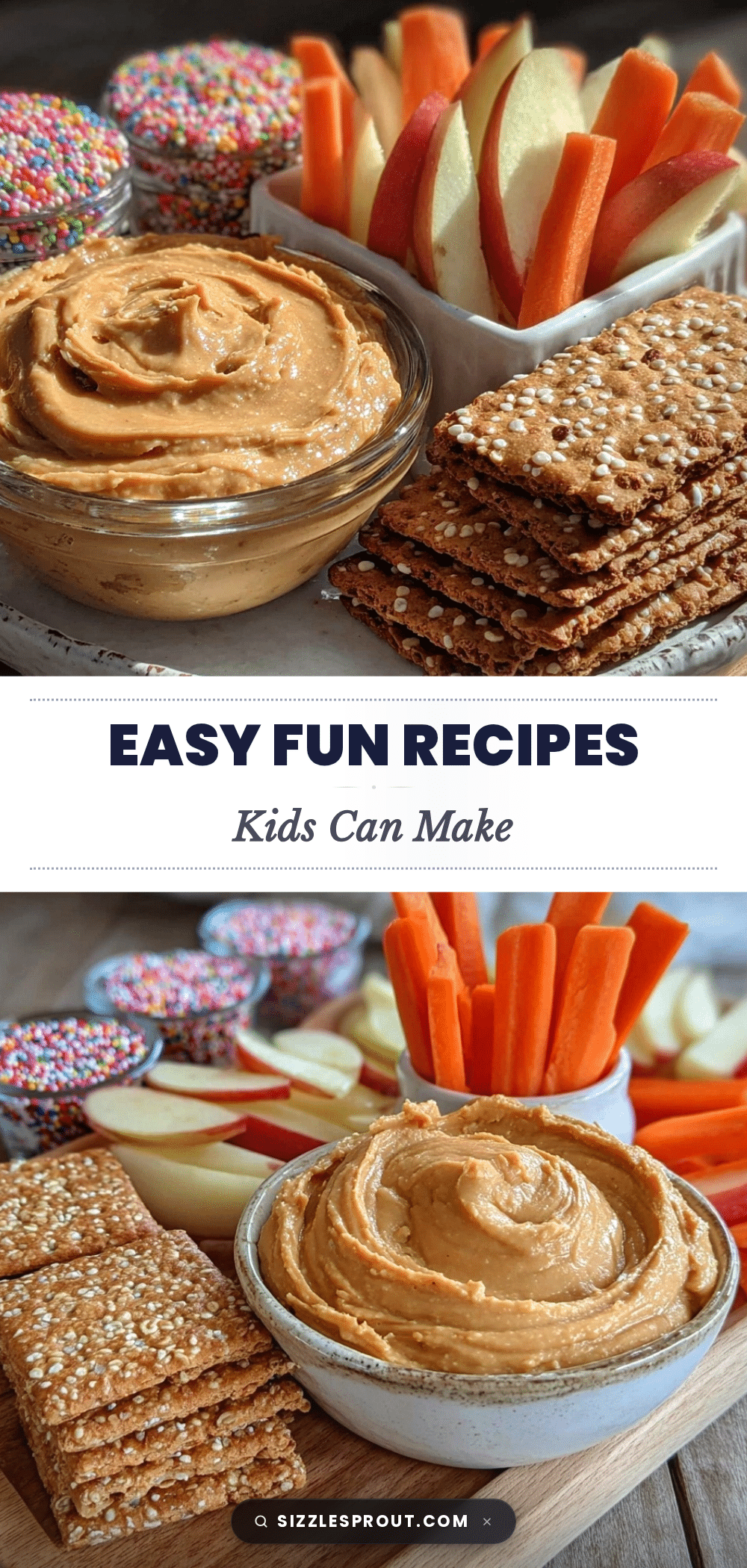
Easy Fun Recipes Kids Can Make Themselves: 10 Best Homemade Ideas
A collection of 10 simple, kid-friendly recipes designed to build confidence and creativity in young chefs, using easy-to-find ingredients and minimal adult help.
- Prep Time: 30 minutes
- Cook Time: 15 minutes
- Total Time: 45 minutes
- Yield: Varies per recipe, typically 4-6 servings
- Category: Snack, Dessert, Kid-Friendly
- Cuisine: American
Ingredients
- All-purpose flour (or whole wheat for a healthier twist)
- Baking powder
- Sugar (granulated or brown sugar)
- Eggs (large, room temperature)
- Milk (whole or plant-based alternatives like almond or oat)
- Bananas (ripe, mashed)
- Carrots (grated)
- Apples (sliced or diced)
- Cherry tomatoes
- Peanut butter (smooth or crunchy)
- Nutella or chocolate spread
- Yogurt (plain or flavored)
- Honey or maple syrup
- Shredded cheese (mild cheddar or mozzarella)
- Chocolate chips (semi-sweet or milk chocolate)
- Chopped nuts (almonds, pecans – optional)
- Cinnamon
- Vanilla extract
- Mini marshmallows
Instructions
- Gather ingredients and equipment on a clean workspace (about 10 minutes).
- Mix dry ingredients (flour, baking powder, sugar) gently in a medium bowl (5 minutes).
- Beat eggs and milk together in a separate bowl; stir in mashed bananas or yogurt if using. Pour wet ingredients into dry mix and fold until smooth without overmixing (10 minutes).
- Prepare baking or cooking surface by lining with parchment paper or greasing pans (5 minutes).
- Shape or assemble the batter or ingredients as needed for the recipe (10-15 minutes).
- Cook or bake: For baked goods, preheat oven to 350°F and bake for 10-15 minutes until golden. For no-bake recipes, chill in the fridge for 30 minutes. Supervise children during cooking.
- Let treats cool slightly before serving (5 minutes).
Notes
Use visual measuring tools to help kids learn quantities. Prep ingredients in advance to keep the process smooth. Use child-friendly utensils for safety. Encourage sensory exploration and patience with mess. Overmixing batter can make baked goods tough. Substitute ingredients for allergies or dietary needs. Store leftovers in airtight containers in the fridge for up to 3 days or freeze baked goods for up to a month.
Nutrition
- Serving Size: One snack or mini tr
- Calories: 15020
- Sugar: 10
- Sodium: 150
- Fat: 7
- Saturated Fat: 2
- Carbohydrates: 25
- Fiber: 2
- Protein: 5
Keywords: easy recipes, kids cooking, homemade snacks, fun recipes for kids, simple baking, kid-friendly meals, cooking with children