Love this? Save it for later!
Share the inspiration with your friends
“I wasn’t planning anything fancy that Wednesday night,” I admit, as my phone buzzed with a last-minute work call just as I was about to sit down for dinner. The clock was ticking, the leftovers from Sunday’s roast were staring at me from the fridge, and honestly, I wasn’t in the mood to reheat the same meal again. You know that feeling when your enthusiasm for cooking flatlines midweek? Yeah, that was me.
So there I was, staring at a container of cold roast chicken, some steamed vegetables, and a few potatoes — the usual suspects — wondering how to turn this into something exciting without starting from scratch. As I shuffled around the kitchen juggling ideas, I remembered the advice my old neighbor, Carla, once gave me over a cup of coffee: “Leftovers are just a second chance to get creative.” That stuck with me.
What happened next was pure kitchen magic, or maybe just a lucky accident: I tossed that roast chicken into a skillet with some garlic, mixed in a quick homemade sauce, and layered the veggies with a sprinkle of cheese. Ten minutes later, I had a dinner that felt new and comforting, without the hassle or waste. Maybe you’ve been there — faced with the same challenge of transforming last night’s meal into something fresh and fast. Let me tell you, this recipe collection of easy leftover dinner ideas will change your weeknight game forever. It’s honest, practical, and, trust me, a little bit of fun in the chaos of daily life.”
Why You’ll Love This Recipe
After testing dozens of leftover transformations in my own kitchen (and learning from a few messy mishaps), I’m confident these easy leftover dinner ideas will become your go-to solution on busy nights. Here’s why:
- Quick & Easy: Ready in under 20 minutes, perfect for those nights when time is tight but hunger is not negotiable.
- Simple Ingredients: Uses what you already have — no need for extra grocery runs or exotic spices.
- Perfect for Busy Weeknights: Great for turning Sunday’s big meal or last night’s dinner into something completely different and exciting.
- Crowd-Pleaser: I’ve shared these tricks with friends and family, and they always ask for more — even the picky eaters come back for seconds.
- Unbelievably Delicious: The flavor combinations bring out surprising depth from leftovers, making you forget you’re eating “day-old food.”
What sets these recipes apart? It’s the subtle tricks — like adding a splash of acid to brighten things up, or crisping up cold proteins in a pan for texture — that make the difference. Honestly, it’s not just reheating; it’s a transformation that makes you close your eyes after the first bite. Whether you’re feeding a family or just yourself, these ideas respect your time and taste buds.
What Ingredients You Will Need
These easy leftover dinner ideas rely on simple, staple ingredients that you probably already have in your kitchen. The key is to build flavor and texture with what’s on hand, making each meal feel fresh and satisfying without fuss.
- Leftover Proteins: Roast chicken, beef, pork, or even tofu cubes from previous meals.
- Vegetables: Steamed, roasted, or sautéed veggies like broccoli, carrots, green beans, or peppers — any mix will do.
- Carbohydrates: Leftover potatoes, rice, pasta, or bread (great for croutons or stuffing).
- Fresh Aromatics: Garlic cloves (minced), onions (chopped), green onions, or shallots to freshen up flavors.
- Oils & Fats: Olive oil, butter, or a neutral oil for sautéing and crisping.
- Sauces & Condiments: Soy sauce, mustard, hot sauce, balsamic vinegar, or even a splash of lemon juice to brighten the dish.
- Herbs & Spices: Fresh parsley, thyme, rosemary, or dried herbs like paprika, chili flakes, or cumin for depth.
- Cheese (optional): Shredded cheddar, parmesan, or crumbled feta to add richness and a melty finish.
- Stock or Broth: A splash of chicken or vegetable stock can add moisture and flavor when reheating.
For best results, I recommend using sturdy leftovers that hold up well to a second round of cooking — like firm roast meats or cooked root vegetables. If you want to keep things dairy-free, swap butter for olive oil, and choose plant-based cheese or skip it altogether.
Equipment Needed
Making these easy leftover dinner ideas doesn’t require fancy gadgets. Here’s what I usually have on hand and find helpful:
- Non-stick skillet or frying pan: Essential for crisping up proteins and sautéing veggies quickly.
- Sharp chef’s knife: For chopping fresh aromatics and herbs.
- Cutting board: A sturdy one that can take multiple uses without wobbling.
- Mixing bowls: To toss ingredients together before cooking.
- Wooden spoon or spatula: For stirring and scraping.
- Measuring spoons: Helpful for adding precise amounts of sauces and spices.
If you don’t have a non-stick pan, a well-seasoned cast iron skillet works beautifully but watch the heat to avoid sticking. For chopping, a good quality knife makes the job easier and safer — I’ve been using a Victorinox chef’s knife for years and it’s still going strong! Lastly, don’t underestimate the power of a simple mixing bowl; I sometimes mix leftover meat with sauces right in the bowl before tossing it into the pan.
Preparation Method
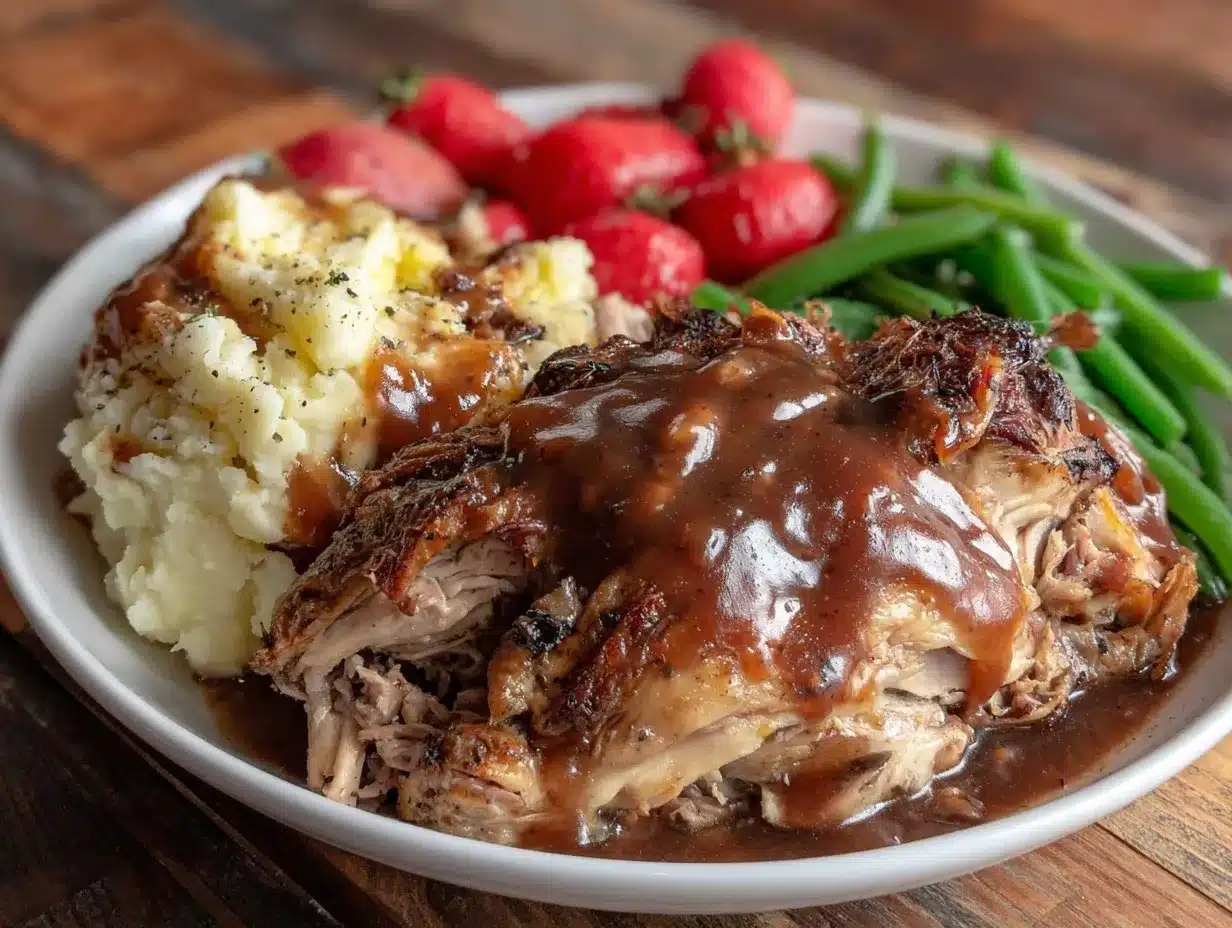
- Assess Your Leftovers (5 minutes): Take stock of what you have — proteins, veggies, carbs. Remove any overly soggy or wilted pieces. This step saves you from unpleasant surprises.
- Prep Aromatics (5 minutes): Chop garlic, onions, or herbs finely. These will add fresh flavor and lift the whole dish.
- Heat Your Pan (2 minutes): Warm 1 to 2 tablespoons (15-30 ml) of olive oil or butter over medium heat. A hot pan is key to getting that lovely crisp texture on leftovers.
- Reheat Proteins First (5-7 minutes): Add your leftover meat or tofu cubes, spreading them out so they sear rather than steam. Flip occasionally until warmed and edges get a little golden. If the meat is dry, splash in a tablespoon (15 ml) of broth or water to keep it moist.
- Add Vegetables and Aromatics (5 minutes): Toss in chopped veggies and aromatics. Sauté until veggies are heated through but still have a bit of crunch—this keeps the dish lively. Season with salt, pepper, and a pinch of your favorite herbs or spices.
- Combine Carbs (3 minutes): Stir in leftover rice, potatoes, or pasta. Press down gently and let them crisp up a bit on the bottom before stirring. This adds a satisfying texture.
- Finish with Sauce or Cheese (2 minutes): Add a splash of soy sauce, a dollop of mustard, or a squeeze of lemon to brighten flavors. Sprinkle cheese over the top if using; cover briefly to melt.
- Final Taste and Adjustments (1-2 minutes): Give it a quick taste, adjust seasoning with salt, pepper, or acidity. If it feels dry, another splash of broth or oil works wonders.
Pro tip: If you want a bit more crunch, sprinkle toasted nuts or seeds on top before serving. Also, don’t be shy about adding a fresh herb garnish at the end — it makes a big difference in presentation and flavor.
Cooking Tips & Techniques
One trick I learned the hard way is never to overcrowd the pan. Overcrowding causes steaming instead of crisping, which makes leftovers soggy instead of tasty. So, cook in batches if needed.
Another secret weapon is the use of acid — a squeeze of lemon juice or a dash of vinegar added near the end wakes up dull flavors and balances richness. Honestly, it’s a game-changer.
For proteins, cutting them into bite-sized pieces helps them reheat evenly and blend better with other ingredients. I once tried tossing large chunks straight into the pan and ended up with cold centers — lesson learned!
Don’t underestimate the power of fresh aromatics. Adding minced garlic or chopped green onions at the last minute makes the dish pop and feel less “leftover.”
Lastly, timing is everything. Start with proteins, then veggies, then carbs, layering flavors and textures. Multitasking by prepping your aromatics while the pan heats saves precious minutes.
Variations & Adaptations
There’s no one-size-fits-all when it comes to transforming leftovers, so here are a few personal favorites I’ve tried:
- Gluten-Free Friendly: Swap regular pasta or bread for gluten-free alternatives or extra veggies. Cauliflower rice works wonders here.
- Spicy Kick: Add chili flakes or a dash of hot sauce. One time, I tossed leftover roast beef with a quick chipotle-lime sauce — seriously addictive.
- Vegetarian Option: Use leftover roasted vegetables and tofu or beans as your protein. A splash of soy sauce and sesame oil gives an Asian-inspired twist.
- One-Pan Bake: Toss everything into a baking dish, top with cheese, and bake at 375°F (190°C) for 15-20 minutes for a cozy casserole feel.
- Breakfast Style: Chop leftovers and scramble them with eggs for a quick breakfast scramble — perfect for weekend mornings.
Serving & Storage Suggestions
Serve these easy leftover dinners hot, fresh from the pan or oven, ideally with a crisp green salad or simple slaw to add brightness and crunch. A glass of your favorite white wine or sparkling water with lemon pairs nicely without overpowering flavors.
If you make a big batch, store leftovers in airtight containers in the refrigerator for up to 3 days. For longer storage, freeze in meal-sized portions — just thaw overnight in the fridge before reheating.
Reheat gently on the stovetop or in the oven to keep textures appealing. Microwaving works in a pinch, but you might lose some crispness. Adding a splash of broth or a drizzle of oil during reheating helps keep everything moist.
Fun fact: flavors often deepen overnight, so sometimes I find the next-day version even better, especially with a fresh squeeze of lemon or a sprinkle of herbs before serving.
Nutritional Information & Benefits
These leftover dinner transformations typically offer a balanced mix of protein, fiber-rich vegetables, and complex carbs — depending on your original meal. Using leftovers wisely reduces food waste, which is great for both your wallet and the planet.
Key health perks include lean proteins from chicken or tofu, antioxidants from fresh veggies, and healthy fats from olive oil. This approach can easily fit gluten-free, low-carb, or dairy-free diets with simple ingredient swaps.
Note: If you’re sensitive to sodium, watch the amount of soy sauce or salty condiments and opt for low-sodium versions. I often add fresh herbs and lemon juice to boost flavor without salt.
Conclusion
These easy leftover dinner ideas prove that last night’s meal doesn’t have to become today’s boring repeat. With just a few simple steps and a splash of creativity, you can transform your fridge finds into a whole new dinner experience that’s fast, satisfying, and delicious.
I love this approach because it respects busy schedules while still bringing flavor and comfort to the table. Honestly, it’s saved me more times than I can count — from unexpected guests to those “I forgot to plan dinner” nights.
Why not give it a try? Tweak the flavors, swap in your favorite ingredients, and make this method your own. And hey, I’d love to hear how you reinvent your leftovers, so drop a comment or share your favorite twist!
Remember, cooking should be fun, forgiving, and a little bit adventurous—especially when working with what you already have.
FAQs
How long can I keep leftovers before transforming them into a new dish?
Generally, leftovers are best used within 3 to 4 days when stored properly in the fridge. Always check for freshness before cooking.
Can I freeze leftovers before turning them into new meals?
Yes! Freeze leftovers in meal-sized portions, and thaw overnight in the fridge before reheating or cooking. This helps maintain flavor and texture.
What’s the best way to add flavor to leftover meals without extra salt?
Try adding fresh herbs, lemon juice, vinegar, or spices like smoked paprika or cumin to brighten and deepen flavors without relying on salt.
Are these leftover dinner ideas suitable for vegetarians?
Absolutely! Simply swap leftover meat for beans, tofu, or roasted veggies to create hearty vegetarian meals.
How can I keep leftover proteins from becoming dry during reheating?
Crisp them gently in a hot pan with a little oil and add moisture like broth or a splash of sauce to keep them juicy and flavorful.
Pin This Recipe!

Easy Leftover Dinner Ideas to Transform Last Night’s Meal Fast

Transform your leftover proteins, vegetables, and carbs into quick, delicious meals in under 20 minutes with simple ingredients and easy techniques.
- Prep Time: 10 minutes
- Cook Time: 15 minutes
- Total Time: 25 minutes
- Yield: 2-4 servings
- Category: Main Course
- Cuisine: American
Ingredients
- Leftover proteins: roast chicken, beef, pork, or tofu cubes
- Vegetables: steamed, roasted, or sautéed broccoli, carrots, green beans, peppers, or any mix
- Carbohydrates: leftover potatoes, rice, pasta, or bread
- Fresh aromatics: minced garlic cloves, chopped onions, green onions, or shallots
- Oils & fats: olive oil, butter, or neutral oil for sautéing
- Sauces & condiments: soy sauce, mustard, hot sauce, balsamic vinegar, lemon juice
- Herbs & spices: fresh parsley, thyme, rosemary, dried paprika, chili flakes, cumin
- Cheese (optional): shredded cheddar, parmesan, or crumbled feta
- Stock or broth: chicken or vegetable stock (optional)
Instructions
- Assess your leftovers (5 minutes): Take stock of proteins, veggies, and carbs. Remove any soggy or wilted pieces.
- Prep aromatics (5 minutes): Chop garlic, onions, or herbs finely.
- Heat your pan (2 minutes): Warm 1 to 2 tablespoons (15-30 ml) of olive oil or butter over medium heat.
- Reheat proteins first (5-7 minutes): Add leftover meat or tofu cubes, sear until warmed and edges are golden. Add 1 tablespoon (15 ml) broth or water if dry.
- Add vegetables and aromatics (5 minutes): Toss in chopped veggies and aromatics, sauté until heated but still crunchy. Season with salt, pepper, and herbs/spices.
- Combine carbs (3 minutes): Stir in leftover rice, potatoes, or pasta. Press down gently to crisp the bottom before stirring.
- Finish with sauce or cheese (2 minutes): Add soy sauce, mustard, or lemon juice. Sprinkle cheese if using and cover briefly to melt.
- Final taste and adjustments (1-2 minutes): Taste and adjust seasoning with salt, pepper, or acidity. Add broth or oil if dry.
Notes
Do not overcrowd the pan to avoid steaming leftovers. Use acid like lemon juice or vinegar to brighten flavors. Cut proteins into bite-sized pieces for even reheating. Add fresh aromatics at the end for freshness. For crunch, sprinkle toasted nuts or seeds before serving. Store leftovers in airtight containers for up to 3 days or freeze in portions.
Nutrition
- Serving Size: Approximately 1 plat
- Calories: 350450
- Sugar: 35
- Sodium: 400600
- Fat: 1520
- Saturated Fat: 46
- Carbohydrates: 3040
- Fiber: 46
- Protein: 2530
Keywords: leftover dinner, quick meals, easy recipes, leftover transformation, weeknight dinner, simple ingredients, no waste cooking