Love this? Save it for later!
Share the inspiration with your friends
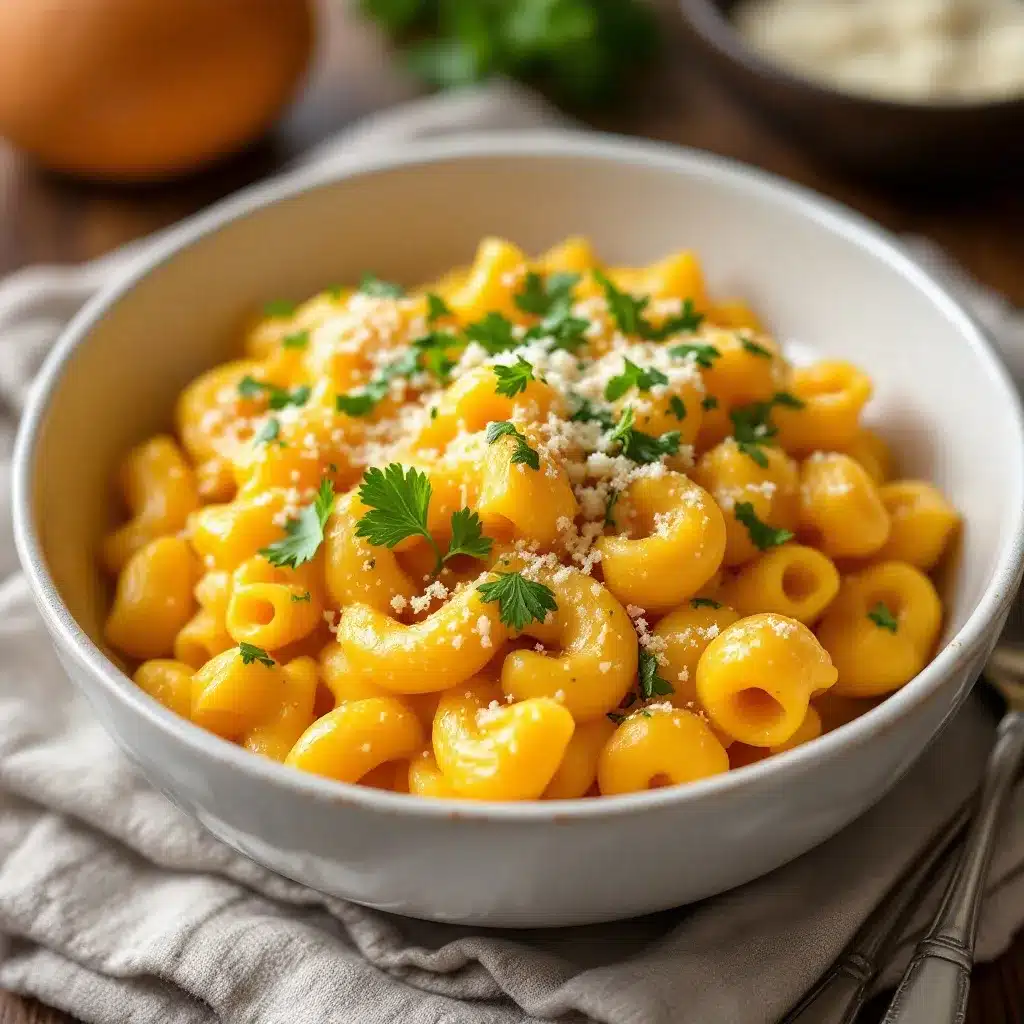
The orange hue is what matters most. It’s a deep, saturated amber that looks like liquid sunlight trapped in a bowl. You know, people always talk about the smell first. The nutty aroma of roasted squash or the sharp bite of aged cheddar. But honestly? It’s the color that sells it every single time. That specific shade of pumpkin-spice-orange tells you something is right before you even pick up a fork.
I remember making this creamy butternut squash mac and cheese on a rainy Tuesday last November. The kitchen was cold, my hands were numb, and I just wanted something warm that felt like a hug. I didn’t want heavy cream clogging my arteries. I wanted comfort that didn’t leave me feeling sluggish an hour later. So I roasted the squash until it caramelized, then blended it into a silky puree. The result wasn’t just orange; it was vibrant.
Most mac and cheese recipes rely on rouxes that turn gluey if you look at them wrong. This version uses the squash itself as the thickener. It’s a trick I learned after burning three pots of white sauce. The texture is impossibly smooth, almost like a custard, but it coats the pasta perfectly. It’s not just a side dish; it’s the main event.
There’s a quiet satisfaction in seeing that bright orange swirl mix with the pasta. It feels healthier, even if it’s still rich and cheesy. That’s the whole point. You get the comfort of classic mac without the guilt trip. And once you taste how the natural sweetness of the squash balances the salty cheese, you’ll never go back to plain old white sauce again.
Why You’ll Love This Recipe
This isn’t just another vegetable-loaded pasta dish. It’s the result of years of trying to make mac and cheese that actually makes you feel good. I’ve tested this recipe dozens of times, tweaking the ratio of squash to cheese until it hit that perfect balance. Here is why this creamy butternut squash mac and cheese has become a staple in my kitchen:
- Quick & Easy: If you buy pre-roasted squash or use a quick microwave hack, this comes together in under 30 minutes. It’s perfect for busy weeknights when you need dinner on the table fast.
- Simple Ingredients: No fancy grocery trips needed. You likely already have pasta, cheese, and maybe some squash in your fridge. It relies on wholesome, recognizable foods.
- Perfect for Meal Prep: Unlike traditional mac and cheese which can get greasy when reheated, the squash puree keeps the texture consistent. It’s great for lunchboxes or reheating at work.
- Crowd-Pleaser: Kids who usually turn their noses up at vegetables love this. The sweetness of the squash masks any “green” taste, and the cheese factor is high enough to win them over.
- Unbelievably Delicious: The texture and flavor combo is next-level comfort food. It’s creamy without being heavy, and savory without being bland.
What makes this different is the sauce base. Most recipes use a heavy flour-butter roux. This one uses the natural pectin and fiber in the squash to create a velvety coating. It’s a creative twist that changes the entire mouthfeel. Whether you are looking for a healthy dinner idea or just want to impress guests with a vibrant dish, this recipe delivers. It’s the kind that makes you close your eyes after the first bite. It’s comfort food reimagined—healthier, faster, but with the same soul-soothing satisfaction.
What Ingredients You Will Need
This recipe uses simple, wholesome ingredients to deliver bold flavor and satisfying texture without the fuss. The magic happens because the squash does the heavy lifting for the sauce, reducing the need for excessive butter and flour. You can find these items at any standard grocery store, and many are pantry staples.
For the Base
- Butternut Squash: 1 large squash, roasted and pureed. (I recommend using a pre-cut fresh squash to save time, or buy frozen puree if you’re in a rush. Look for firm, small-curd squash for best texture.)
- Pasta: 12 oz elbow macaroni or cavatappi. Cavatappi holds the sauce better because of its spirals. (Use gluten-free pasta if needed; just rinse it well to remove excess starch.)
- Garlic: 2 cloves, minced. Fresh garlic is non-negotiable here. It adds the savory backbone that balances the sweet squash.
- Onion: 1/2 small yellow onion, finely diced. This adds depth and sweetness as it cooks down.
- Chicken or Vegetable Broth: 1 cup. Use low-sodium broth so you can control the salt level. (I prefer vegetable broth to keep it vegetarian-friendly.)
For the Cheese Sauce
- Sharp Cheddar Cheese: 1.5 cups, freshly shredded. (I recommend Cabot or Tillamook for best melt. Avoid pre-shredded cheese; it has anti-caking agents that prevent smooth melting.)
- Monterey Jack Cheese: 1/2 cup, shredded. This cheese melts beautifully and adds a mild creaminess.
- Milk: 1/2 cup whole milk or oat milk. Oat milk adds a nice nutty flavor that pairs well with squash.
- Butter: 2 tablespoons unsalted butter. For sautéing the aromatics.
- Mustard Powder: 1/2 teaspoon. This is the secret weapon. It amplifies the cheese flavor without making it taste like mustard.
- Nutmeg: A pinch. Just a tiny bit to enhance the warmth of the squash.
You can swap the cheddar for a vegan cheese if you need a dairy-free option, though the flavor profile will change slightly. The key is using cheeses that melt well, not just grate well.
Equipment Needed
You don’t need a fancy kitchen to make this. A few basic tools will get you the best results. Here is what you’ll need:
- Roasting Pan: A large rimmed baking sheet. This allows the squash to caramelize properly. If you don’t have one, a standard cake pan works too.
- Blender or Food Processor: Essential for getting that silky smooth puree. A hand blender works if you want to puree the squash directly in the pot, but a standard blender gives a finer texture.
- Large Pot: For boiling the pasta. Make sure it’s big enough to hold the water and pasta without boiling over.
- Dutch Oven or Large Skillet: You need a wide vessel to mix the cheese sauce and pasta together. A Dutch oven retains heat well, keeping the mac warm longer.
- Measuring Cups and Spoons: Precision matters, especially with the broth and cheese.
If you don’t have a blender, you can mash the roasted squash very thoroughly with a potato masher, but it won’t be as smooth. Also, keep your knives sharp. Dicing the onion and mincing garlic is much faster with a sharp blade. I always keep a cheap cutting board for veggies so I don’t scratch my good wood ones.
Preparation Method
Let’s get into the nitty-gritty. This process is straightforward, but timing is key to getting that perfect creamy texture. Follow these steps closely.
- Roast the Squash (20 minutes prep, 45 minutes cook): Preheat your oven to 400°F (200°C). Peel the butternut squash and cube it into 1-inch pieces. Toss them with a little olive oil, salt, and pepper. Spread them on a roasting pan in a single layer. Roast until tender and slightly caramelized at the edges. Let them cool for 10 minutes, then blend until completely smooth. You should have about 2 cups of puree. (Tip: If you’re short on time, microwave the cubes for 5 minutes until soft, then blend.)
- Boil the Pasta (10 minutes): Bring a large pot of salted water to a boil. Add the macaroni and cook according to package directions, but drain it 1 minute early. It should be al dente. Reserve 1 cup of the starchy pasta water before draining. This liquid is gold for the sauce.
- Sauté Aromatics (5 minutes): While the pasta cooks, melt the butter in a large Dutch oven or skillet over medium heat. Add the diced onion and cook until translucent, about 3 minutes. Add the minced garlic and cook for another 30 seconds until fragrant. Be careful not to burn the garlic; it turns bitter quickly.
- Create the Sauce Base (5 minutes): Pour in the butternut squash puree and the broth. Whisk constantly to combine. Let it simmer gently for 2-3 minutes. The sauce will thicken slightly as the squash fibers hydrate. Stir in the mustard powder, nutmeg, salt, and pepper.
- Melt the Cheese (2 minutes): Reduce the heat to low. Add the milk and stir. Now, add the shredded cheese a handful at a time. Stir continuously until the cheese is fully melted and the sauce is glossy. Do not let it boil here, or the cheese might separate.
- Combine Everything (2 minutes): Add the drained pasta to the cheese sauce. Toss everything together until every noodle is coated. If the sauce looks too thick, add the reserved pasta water a splash at a time until it reaches your desired consistency. The sauce should cling to the pasta, not pool at the bottom.
- Rest and Serve (5 minutes): Remove from heat and let it sit for 5 minutes. This allows the sauce to set slightly and become even creamier. Taste and adjust seasoning with more salt or pepper if needed.
Cooking Tips & Techniques
There are a few tricks I’ve picked up along the way that make a huge difference. First, never skip the pasta water. That starchy liquid helps emulsify the cheese sauce, making it smoother and helping it stick to the pasta. I learned this the hard way after making a batch that tasted like separate ingredients rather than one cohesive dish.
Second, grate your own cheese. Pre-shredded cheese is coated in cellulose to prevent clumping, which means it melts poorly and can make your sauce grainy. Buy a block of cheddar and grate it yourself. It melts instantly and creates a silkier texture. It takes five minutes extra, but it’s worth it.
Third, control the heat. Cheese sauce is delicate. If you turn the heat up too high, the proteins in the cheese tighten up and squeeze out the fat, resulting in a greasy, broken sauce. Always keep the heat low when adding cheese. If your sauce breaks, don’t panic. You can rescue it by adding a splash of hot water or milk and whisking vigorously.
Also, taste as you go. Squash sweetness varies wildly depending on the season and the specific squash. Taste your puree before adding it to the sauce. If it’s very sweet, you might need a pinch more salt or a dash of hot sauce to balance it out. Don’t be afraid to experiment with spices like smoked paprika or cayenne for a kick.
Variations & Adaptations
This recipe is incredibly flexible. Here are a few ways to adapt it to your tastes or dietary needs:
- Vegetarian/Vegan: Use vegetable broth instead of chicken broth. Swap the dairy cheese for a high-quality vegan cheddar shreds (like Violife or Daiya). Add a tablespoon of nutritional yeast for a cheesy, nutty flavor. The texture will be slightly different but still delicious.
- Gluten-Free: Use any gluten-free pasta you like. Brown rice pasta or chickpea pasta works well. Just be careful not to overcook it, as GF pasta can get mushy faster.
- Protein-Packed: Add cooked shredded chicken, bacon bits, or sautéed broccoli florets. I love adding crispy fried onions on top for extra crunch and texture.
- Spicy Kick: Add diced jalapeños to the sauté step, or stir in a tablespoon of hot sauce into the cheese mixture. It cuts through the richness beautifully.
- Herb-Infused: Stir in fresh chopped thyme or sage. These herbs pair exceptionally well with butternut squash and add an earthy note.
I once made this with roasted sweet potatoes instead of squash. It was good, but the color was darker and the flavor was less complex. The butternut squash really is the star here. Another time, I added a layer of panko breadcrumbs and baked it for 10 minutes. The crispy top is a nice contrast to the creamy interior, but it’s not strictly necessary.
Serving & Storage Suggestions
Serve this creamy butternut squash mac and cheese hot, straight from the pot. It pairs beautifully with a simple green salad dressed in a light vinaigrette. The acidity of the salad cuts through the richness of the mac. You can also serve it with roasted Brussels sprouts or steamed green beans for a complete, balanced meal.
For leftovers, store the mac and cheese in an airtight container in the refrigerator for up to 4 days. The flavors actually get better after a day or two as the squash and cheese meld together. To reheat, add a splash of milk or broth to the container before heating. This helps restore the creamy texture that might have thickened in the fridge.
Reheat gently on the stovetop over low heat, stirring frequently. If you use a microwave, cover the dish and heat in 30-second intervals, stirring in between. Avoid high heat, which can make the cheese tough and rubbery. You can also freeze this dish, though the texture may change slightly upon thawing. Thaw in the fridge overnight and reheat as described above.
Nutritional Information & Benefits
This dish is not just tasty; it’s packed with nutrients. Butternut squash is rich in vitamin A, fiber, and antioxidants. It supports eye health and boosts your immune system. The cheese provides calcium and protein, which are essential for bone health and muscle repair. By using squash as part of the sauce base, we reduce the amount of heavy cream and butter needed, lowering the overall saturated fat content compared to traditional mac and cheese.
Each serving contains approximately 450 calories, 15g protein, 50g carbs, and 20g fat. These values are estimates and can vary based on the specific brands of cheese and pasta used. If you are watching your sodium intake, use low-sodium broth and reduce the added salt. This recipe is naturally gluten-free if you use GF pasta, and it can be made dairy-free easily.
Conclusion
This creamy butternut squash mac and cheese is a game-changer. It’s vibrant, comforting, and surprisingly healthy. I hope you try this recipe and find it to be a new favorite in your rotation. Don’t be afraid to tweak it with your favorite add-ins or spices. Cooking is about making it your own.
If you make this, please let me know how it turned out! Leave a comment below with your thoughts or share a photo of your creation. I love seeing how you adapt these recipes. And if you enjoyed this, check out my easy pumpkin spice french toast casserole for a similar fall flavor profile. Happy cooking!
FAQs
Can I use fresh butternut squash instead of roasted?
Yes, but you must cook it first. Raw squash is too hard to blend into a smooth sauce. Roasting brings out the natural sweetness and caramelization, which is crucial for the flavor. You can steam or boil it, but roasting is best.
Why is my cheese sauce grainy?
This usually happens if the heat was too high or if you used pre-shredded cheese. Always melt cheese over low heat and use freshly grated cheese. If it’s already grainy, whisk in a little hot milk to smooth it out.
Can I make this ahead of time?
Yes! You can prep the squash puree a day in advance. When ready to serve, just follow the steps to combine the sauce and pasta. It reheats very well.
What kind of pasta is best for this?
Elbow macaroni is classic, but cavatappi or rotini works even better because the shape holds more sauce. Any short pasta shape will work.
Is this recipe kid-friendly?
Absolutely. The sweetness of the squash and the creaminess of the cheese make it very appealing to picky eaters. It’s a great way to sneak vegetables into their diet.
Pin This Recipe!
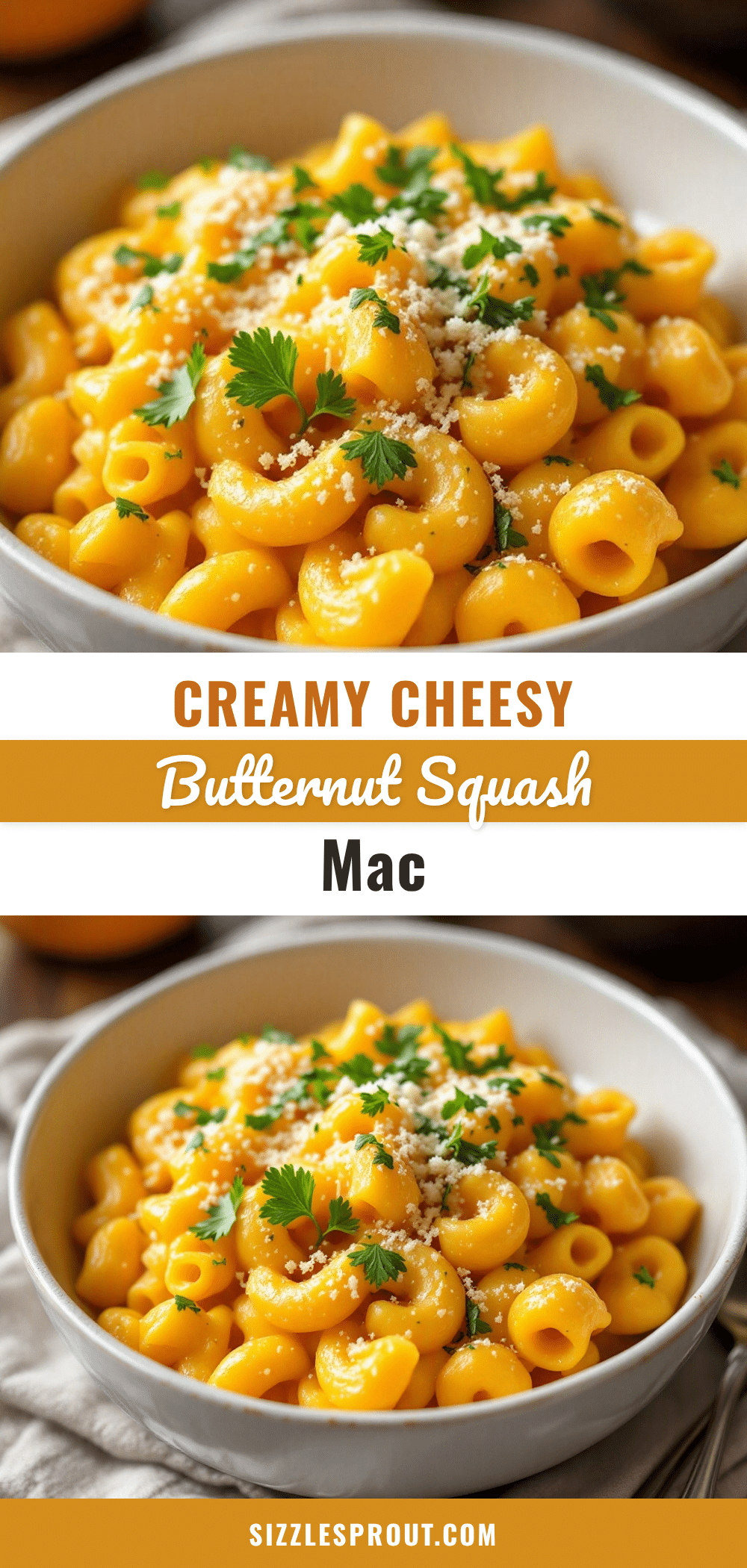
Creamy Butternut Squash Mac and Cheese

A vibrant, healthy twist on classic mac and cheese that uses roasted butternut squash puree as a thickener instead of a heavy roux, resulting in a creamy, nutrient-rich comfort food dish.
- Prep Time: 20 minutes
- Cook Time: 45 minutes
- Total Time: 65 minutes
- Yield: 4 servings 1x
- Category: Main Course
- Cuisine: American
Ingredients
- 1 large butternut squash, roasted and pureed (approx. 2 cups)
- 12 oz elbow macaroni or cavatappi
- 2 cloves garlic, minced
- 1/2 small yellow onion, finely diced
- 1 cup chicken or vegetable broth (low-sodium)
- 1.5 cups sharp cheddar cheese, freshly shredded
- 1/2 cup Monterey Jack cheese, shredded
- 1/2 cup whole milk or oat milk
- 2 tablespoons unsalted butter
- 1/2 teaspoon mustard powder
- 1 pinch nutmeg
- Salt and pepper to taste
- Olive oil for roasting squash
Instructions
- Preheat oven to 400°F (200°C). Peel and cube the butternut squash into 1-inch pieces. Toss with olive oil, salt, and pepper, then roast on a baking sheet for 45 minutes until tender and caramelized.
- Cool the roasted squash for 10 minutes, then blend until completely smooth to create a puree.
- Bring a large pot of salted water to a boil. Cook the pasta according to package directions but drain 1 minute early (al dente). Reserve 1 cup of starchy pasta water before draining.
- In a large Dutch oven or skillet, melt butter over medium heat. Sauté the diced onion until translucent (about 3 minutes), then add the minced garlic and cook for 30 seconds until fragrant.
- Pour in the butternut squash puree and broth. Whisk to combine and simmer gently for 2-3 minutes until the sauce thickens slightly.
- Stir in mustard powder, nutmeg, salt, and pepper.
- Reduce heat to low. Add the milk and stir. Gradually add the shredded cheeses a handful at a time, stirring continuously until melted and glossy. Do not let the sauce boil.
- Add the drained pasta to the cheese sauce and toss to coat. If the sauce is too thick, add reserved pasta water a splash at a time until desired consistency is reached.
- Remove from heat and let rest for 5 minutes before serving to allow the sauce to set.
Notes
Use freshly grated cheese to ensure smooth melting; pre-shredded cheese contains anti-caking agents that can make the sauce grainy. Reserve starchy pasta water to help emulsify the sauce. For a vegan version, use vegetable broth and dairy-free cheese alternatives.
Nutrition
- Serving Size: 1 serving
- Calories: 450
- Sugar: 8
- Sodium: 600
- Fat: 20
- Saturated Fat: 10
- Carbohydrates: 50
- Fiber: 5
- Protein: 15
Keywords: butternut squash mac and cheese, healthy mac and cheese, vegetarian dinner, comfort food, gluten-free option, meal prep