Love this? Save it for later!
Share the inspiration with your friends
I did not trust garlic butter in pasta. Honestly, I thought it sounded like a mistake until I tasted the sauce cling to the noodles. For years, I stuck to tomato-based sauces or heavy cream bolognese. I figured butter was just a shortcut for lazy cooks. I wanted complexity. I wanted depth. I wanted to feel like I had spent hours simmering something on the stove.
Then came the night I was too tired to chop vegetables for a marinara. I had a pound of shrimp in the freezer and a stick of butter on the counter. I tossed in some dried pasta and a handful of minced garlic. I expected a greasy, one-note dish. I braced myself for disappointment.
The smell hit the kitchen first. It was warm and nutty, not sharp or raw. I stirred the pasta into the browned butter, adding a splash of starchy water. The emulsion happened almost instantly. It looked glossy and rich. I took the first bite. The shrimp were sweet and tender. The garlic was mellow, not biting. The pasta had soaked up every bit of that golden sauce.
I stood there in my kitchen, fork in hand, realizing I had been wrong. This wasn’t a lazy meal. It was a masterclass in simplicity. The texture was velvety. The flavor was bold but balanced. I closed my eyes and just chewed. It was comfort, but elevated by technique I didn’t know I had.
That single Tuesday night changed how I cook. I stopped fearing simple recipes. I started respecting the power of good ingredients. Now, whenever life gets chaotic, I make this. It grounds me. It reminds me that the best meals don’t always need a long list of spices. Sometimes, they just need garlic, butter, and a little bit of trust.
Why You’ll Love This Quick Garlic Butter Shrimp Pasta
This recipe isn’t just another dinner idea; it is the kind of meal that makes you forget about work for the rest of the evening. I have tested this combination dozens of times, tweaking the ratios until the garlic flavor sang without overpowering the delicate sweetness of the shrimp. Here is why this specific version stands out from the crowd.
- Quick & Easy: This comes together in under 15 minutes. You can have a hot, restaurant-quality meal on the table before you finish your wine pour. It is perfect for those busy weeknights when you are hungry but have zero energy.
- Simple Ingredients: No fancy grocery trips needed. You likely already have pasta, butter, and garlic in your kitchen. The shrimp is the only special item, and it is easy to find at any local market.
- Perfect for Date Night: It feels elegant and sophisticated, yet it requires almost no effort. It is great for impressing guests without stressing yourself out in the kitchen for hours.
- Crowd-Pleaser: Always gets rave reviews from kids and adults alike. The mild garlic flavor is approachable, and the shrimp is a safe bet for picky eaters who might shy away from stronger spices.
- Unbelievably Delicious: The texture and flavor combo is next-level comfort food. The butter sauce coats every strand, creating a rich mouthfeel that tomato sauces just can’t match.
What makes this recipe different is the technique. Many people burn their garlic because they add it too early. I use a low-heat bloom method to ensure the garlic infuses the butter without turning bitter. This subtle difference changes everything. It transforms a simple skillet meal into something that tastes like it came from a high-end Italian bistro.
It is comfort food reimagined—faster, but with the same soul-soothing satisfaction. Whether you are feeding a family or cooking for two, this dish delivers. It turns a simple ingredient list into something memorable. You will find yourself making it again and again, wondering why you ever complicated your dinner routine.
What Ingredients You Will Need
This recipe uses simple, wholesome ingredients to deliver bold flavor and satisfying texture without the fuss. The key here is quality over quantity. Since there are only a few components, each one needs to shine. I recommend using unsalted butter so you can control the salt level precisely. Fresh garlic is non-negotiable; pre-minced jarred garlic has a metallic taste that ruins the dish.
Here is what you will need to get started:
- Spaghetti or Linguine: 1 pound (450g). I prefer long strands because they hold the sauce better. Dry pasta works best for texture.
- Unsalted Butter: 4 tablespoons (56g). Use high-quality European-style butter if you can find it. It has a richer flavor and higher fat content.
- Fresh Garlic: 6 cloves, finely minced. Do not use powder. Fresh garlic provides the aromatic base that defines this dish.
- Large Shrimp: 1 pound (450g), peeled and deveined. Look for wild-caught if possible. They have a firmer texture and sweeter taste than farmed shrimp.
- White Wine: 1/2 cup (120ml). Dry white wine like Sauvignon Blanc or Pinot Grigio adds acidity and brightness. You can substitute with chicken broth if you prefer non-alcoholic.
- Parsley: 1/4 cup fresh, chopped. Flat-leaf parsley adds a fresh, grassy note that cuts through the richness of the butter.
- Red Pepper Flakes: 1/2 teaspoon. Optional, but highly recommended for a gentle heat.
- Salt and Black Pepper: To taste. Use kosher salt for better control.
- Lemon: 1 lemon, zested and juiced. The acid brightens the heavy butter sauce.
For the shrimp, I recommend buying them with the tails on if you can. It adds a nice visual appeal and makes them easier to handle. If you are watching your sodium, you can skip the added salt and rely on the natural flavor of the shrimp and the lemon zest. In summer, you might add some cherry tomatoes to the mix for extra color and sweetness.
Equipment Needed
You do not need a lot of fancy gear to make this dish. A large skillet is the star of the show. I prefer a stainless steel or cast-iron skillet because they retain heat well. This helps in browning the shrimp properly without steaming them. A large pot is needed for boiling the pasta. Make sure it is big enough to let the noodles move freely.
You will also need a pair of tongs. Tongs are essential for tossing the pasta in the sauce evenly. They are much better than a fork for this step. A microplane or fine grater is useful for zesting the lemon. If you do not have one, a standard zester works too. Just be careful not to get the bitter white pith.
A measuring cup and spoons are helpful for accuracy. While cooking by eye is possible, precise measurements ensure consistency. A small bowl for mixing the parsley and lemon zest beforehand is a good idea. This saves you from scrambling at the end when the pasta is ready.
If you do not have a large skillet, you can use a deep sauté pan. Just make sure it has high sides to prevent splattering. Budget-friendly options include a standard non-stick skillet. However, be careful not to overheat non-stick surfaces, as they can degrade. Always let your pan cool before washing it to extend its life.
Preparation Method
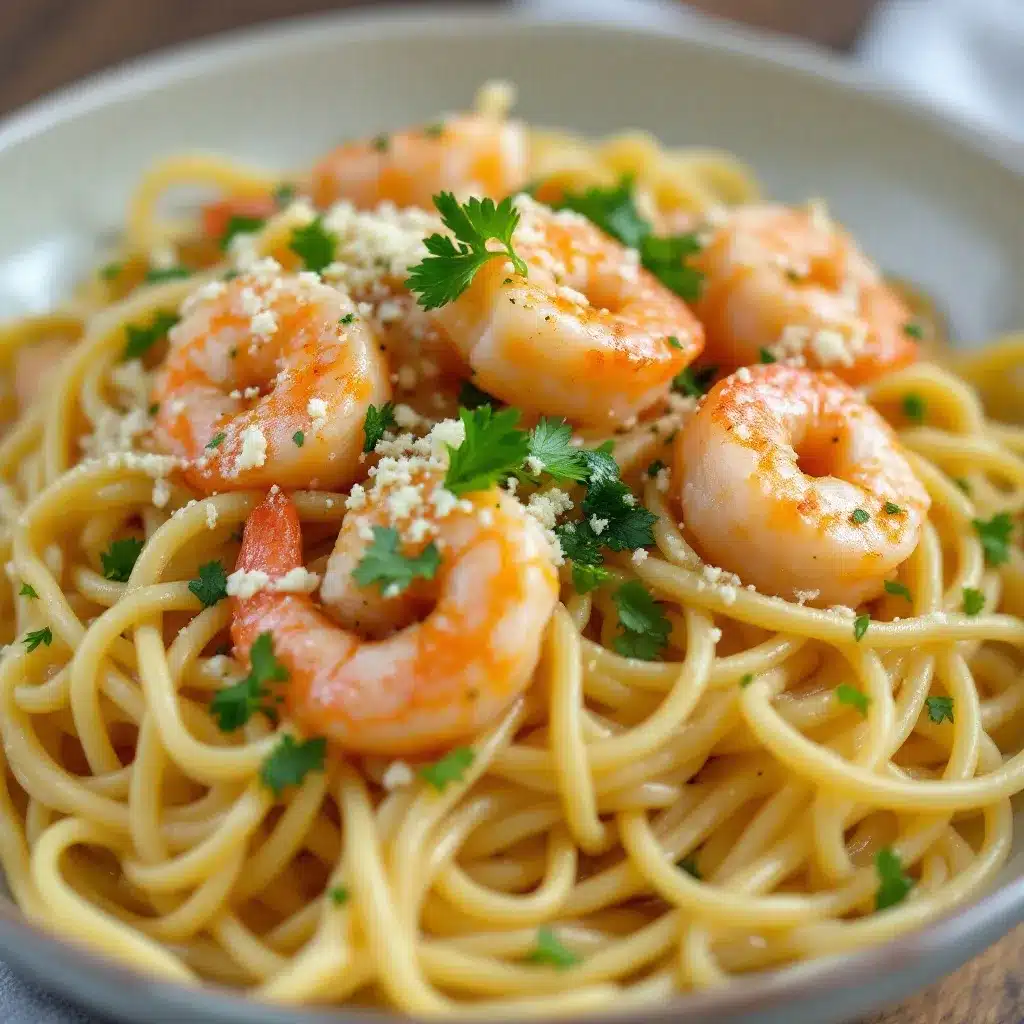
Start by bringing a large pot of salted water to a boil. Add 1 tablespoon of salt. This is the only chance to flavor the pasta itself. Once the water is boiling, add the spaghetti. Cook according to package directions, but reduce the time by 1 minute. You want the pasta to be al dente. Reserve 1 cup of pasta water before draining. This starchy water is liquid gold for the sauce.
While the pasta cooks, heat a large skillet over medium-low heat. Add the butter. Let it melt slowly. Do not rush this step. Once melted, add the minced garlic and red pepper flakes. Stir constantly for about 1 minute. You want the garlic to become fragrant but not brown. If it turns dark, it will taste bitter. Remove the pan from heat briefly if it gets too hot.
Increase the heat to medium-high. Add the shrimp in a single layer. Season with salt and pepper. Cook for 2 minutes on one side. Do not move them around too much. You want a slight sear. Flip the shrimp and cook for another 1-2 minutes. They should turn pink and opaque. Remove the shrimp from the pan and set aside on a plate. Do not clean the pan.
Pour the white wine into the same skillet. Scrape up any browned bits from the bottom. Let it simmer for 2 minutes to reduce slightly. Return the shrimp to the pan. Add the drained pasta directly into the skillet. Pour in about 1/2 cup of the reserved pasta water. Toss everything together vigorously. The sauce should emulsify and coat the noodles.
Add the lemon juice and zest. Toss again. If the sauce looks too thick, add more pasta water. The consistency should be silky and glossy. Stir in the chopped parsley. Taste and adjust seasoning. Add more salt or pepper if needed. Serve immediately with extra lemon wedges on the side.
Cooking Tips & Techniques
The biggest mistake people make is overcooking the shrimp. Shrimp cook very quickly. If you leave them in the pan too long, they become rubbery and tough. Keep a close eye on them. They are done as soon as they turn pink and form a loose C-shape. If they curl into a tight O, they are overdone.
Another critical tip is managing the heat for the garlic. Garlic burns at a lower temperature than butter. Always start with low heat when blooming the garlic. If you see it sizzling violently, take the pan off the heat for a moment. Patience pays off here. You want the garlic to infuse the butter, not char it.
Tossing the pasta in the sauce is key. Do not just pour sauce over plain pasta. The pasta needs to finish cooking in the sauce for the last minute or two. This allows the noodles to absorb the flavors. The starchy water helps bind the butter and wine into a cohesive sauce. Without it, you will have greasy pasta with separate sauce droplets.
Multitasking is essential here. Have your parsley and lemon zest ready before you start cooking. Once the shrimp are done, you need to move fast. The sauce comes together in seconds. If you are chopping parsley while the shrimp are cooking, you might burn the garlic. Prep everything first, then cook.
For consistency, use the same pan for cooking the shrimp and making the sauce. The fond (browned bits) left behind adds incredible depth of flavor. Do not wash the pan between steps. This is where the magic happens. Trust the process.
Variations & Adaptations
You can easily adapt this recipe to suit your dietary needs or taste preferences. Here are a few variations that work beautifully.
- Gluten-Free Option: Swap the spaghetti for your favorite gluten-free pasta. Rice-based or corn-based pastas work well. Just be careful not to overcook them, as they can get mushy quickly.
- Dairy-Free Twist: Use olive oil instead of butter. You can also add a tablespoon of nutritional yeast for a cheesy, savory note. The flavor will be lighter but still delicious.
- Spicy Kick: Double the red pepper flakes. Add some fresh chopped chili peppers or a dash of hot sauce. This version is perfect for those who like their food with a bit of heat.
- Veggie Boost: Add sliced bell peppers or zucchini to the skillet before the shrimp. Sauté them until tender, then proceed with the recipe. This adds volume and nutrients.
I have also tried this with chicken thighs instead of shrimp. It works well, but you need to cook the chicken longer. Shrimp is much faster. If you are feeding a crowd, you can double the recipe. Just make sure you have a large enough pan to avoid overcrowding. Overcrowding steams the shrimp instead of searing them.
For a richer version, add a splash of heavy cream at the end. This turns it into a creamy garlic shrimp pasta. It is indulgent and comforting. I usually stick to the lighter version, but the cream option is great for cold winter nights.
Serving & Storage Suggestions
Serve this pasta hot, immediately after tossing. It looks best garnished with extra parsley and a wedge of lemon. A side of crusty bread is perfect for soaking up any extra sauce. I also recommend a simple green salad with a vinaigrette dressing. The acidity of the salad complements the richness of the pasta.
For leftovers, store the pasta in an airtight container in the refrigerator. It will keep for up to 3 days. The pasta will absorb the sauce as it sits, so it may look dry. To reheat, add a splash of water or broth to the pan. Warm it over low heat, stirring frequently. This restores the silky texture.
You can also freeze the shrimp separately from the pasta. The pasta does not freeze well, as it becomes soft and mushy upon thawing. If you must freeze, freeze the shrimp in the sauce. Thaw overnight in the fridge before reheating.
The flavors actually develop overnight. The garlic becomes more mellow, and the shrimp absorb more of the buttery sauce. Some people prefer it the next day. Just be sure to reheat it gently to avoid overcooking the shrimp again.
Nutritional Information & Benefits
This dish is relatively balanced, though it is rich in fat from the butter. One serving contains approximately 600 calories. The shrimp provides high-quality protein, which is essential for muscle repair. Garlic has anti-inflammatory properties and supports immune health.
The pasta offers carbohydrates for energy. If you are watching your carb intake, you can reduce the pasta portion and add more vegetables. The lemon juice adds vitamin C, which aids in iron absorption from the shrimp.
For those with shellfish allergies, this recipe is not suitable. The garlic and butter are generally well-tolerated, but always check for individual sensitivities. I find this meal satisfying and energizing. It does not leave me feeling heavy or sluggish, unlike heavier cream-based sauces.
Conclusion
This quick garlic butter shrimp pasta is a game-changer for weeknight dinners. It is simple, delicious, and incredibly satisfying. I hope you give it a try. Feel free to customize it with your favorite spices or vegetables. The beauty of this recipe is its flexibility.
I love this recipe because it brings me back to that Tuesday night when I realized simplicity could be profound. It reminds me to slow down and appreciate good food. Please share your results in the comments below. I love hearing how you adapt the recipe.
If you make this, tag me on social media. I would love to see your creations. Thanks for reading. Happy cooking!
Frequently Asked Questions
Can I use frozen shrimp?
Yes, you can use frozen shrimp. Just make sure to thaw them completely and pat them dry with paper towels. Excess moisture will steam the shrimp instead of searing them.
What pasta works best?
Spaghetti and linguine are the classic choices. Fettuccine also works well because it is wider and holds the sauce nicely. Avoid short pastas like penne, as they do not twirl as easily with the butter sauce.
How do I prevent the garlic from burning?
Keep the heat low when adding the garlic. Stir constantly. If you see it starting to brown, remove the pan from the heat immediately. Garlic burns quickly and turns bitter.
Can I make this ahead of time?
It is best served fresh. The pasta continues to absorb the sauce, so it may become dry. If you must prep ahead, cook the shrimp and sauce separately. Combine and reheat just before serving.
Is white wine necessary?
It adds brightness and acidity, but it is not strictly necessary. You can substitute with chicken broth or extra pasta water. The flavor will be slightly less complex, but still delicious.
Pin This Recipe!
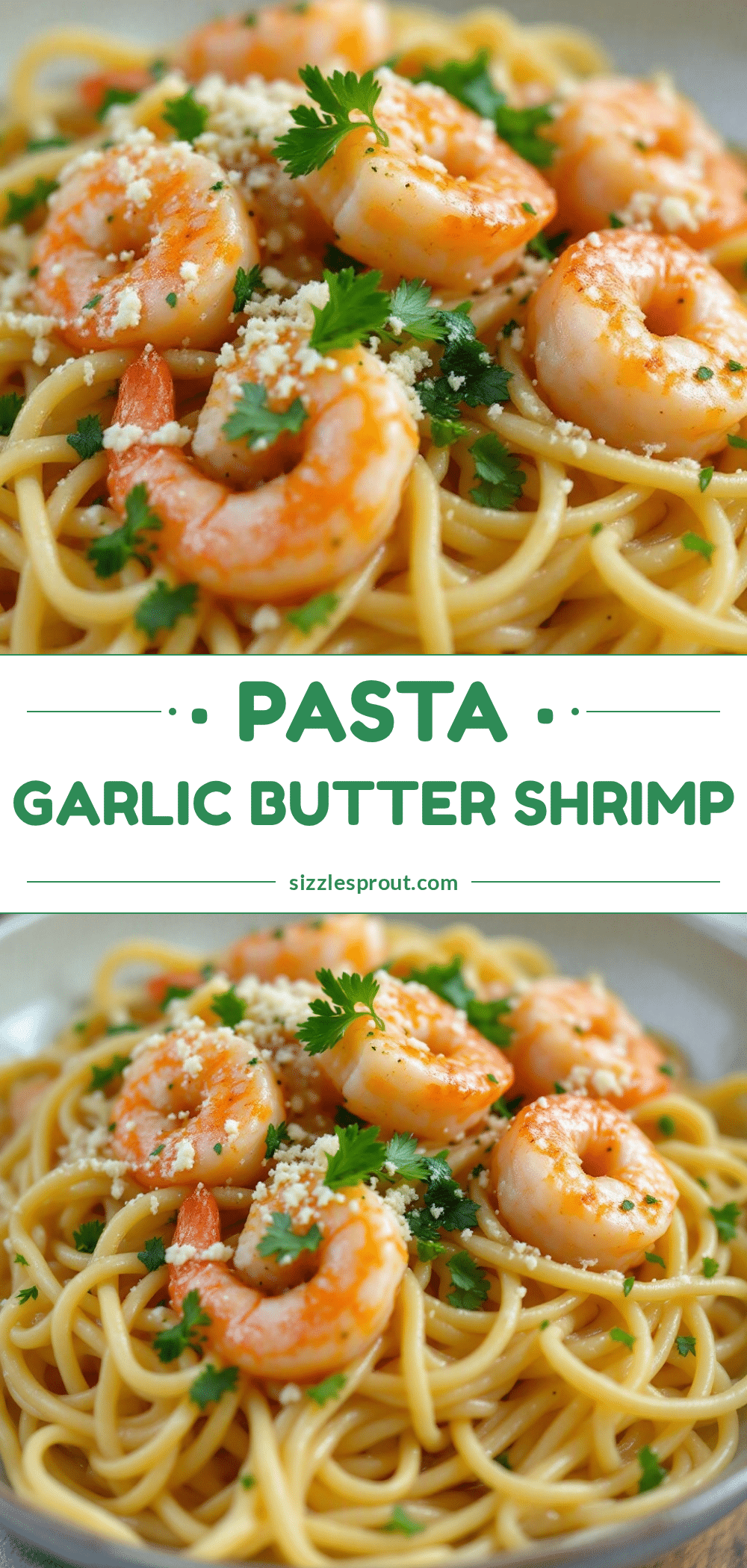
Quick Garlic Butter Shrimp Pasta: 15-Minute Easy Dinner
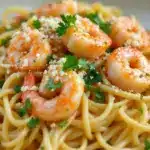
A simple yet elegant weeknight dinner featuring tender shrimp and spaghetti tossed in a rich, emulsified garlic butter sauce with white wine and lemon.
- Prep Time: 5 minutes
- Cook Time: 10 minutes
- Total Time: 15 minutes
- Yield: 4 servings 1x
- Category: Main Course
- Cuisine: Italian
Ingredients
- 1 pound (450g) Spaghetti or Linguine
- 4 tablespoons (56g) Unsalted Butter
- 6 cloves Fresh Garlic, finely minced
- 1 pound (450g) Large Shrimp, peeled and deveined
- 1/2 cup (120ml) Dry White Wine (e.g., Sauvignon Blanc)
- 1/4 cup Fresh Parsley, chopped
- 1/2 teaspoon Red Pepper Flakes
- Salt and Black Pepper, to taste
- 1 Lemon, zested and juiced
- 1 tablespoon Salt (for pasta water)
Instructions
- Bring a large pot of salted water to a boil. Add 1 tablespoon of salt, then add the spaghetti and cook according to package directions, reducing time by 1 minute for al dente texture. Reserve 1 cup of pasta water before draining.
- While pasta cooks, heat a large skillet over medium-low heat. Add butter and let it melt slowly. Add minced garlic and red pepper flakes, stirring constantly for about 1 minute until fragrant but not browned.
- Increase heat to medium-high. Add shrimp in a single layer, season with salt and pepper. Cook for 2 minutes on one side without moving, then flip and cook for another 1-2 minutes until pink and opaque. Remove shrimp and set aside.
- Pour white wine into the same skillet, scraping up browned bits. Simmer for 2 minutes to reduce slightly.
- Return shrimp to the pan. Add drained pasta and about 1/2 cup of reserved pasta water. Toss vigorously to emulsify the sauce.
- Add lemon juice and zest. Toss again. If sauce is too thick, add more pasta water. Stir in chopped parsley. Taste and adjust seasoning. Serve immediately.
Notes
Do not overcook the shrimp; they should form a loose C-shape. Start with low heat for garlic to prevent burning. Use starchy pasta water to help emulsify the sauce. For a dairy-free version, substitute butter with olive oil. For a gluten-free version, use gluten-free pasta.
Nutrition
- Serving Size: 1 plate of pasta wit
- Calories: 600
- Sugar: 2
- Sodium: 800
- Fat: 25
- Saturated Fat: 12
- Carbohydrates: 70
- Fiber: 3
- Protein: 35
Keywords: garlic butter shrimp pasta, quick dinner, weeknight meals, easy shrimp recipe, garlic pasta, 15 minute meals, seafood pasta