Love this? Save it for later!
Share the inspiration with your friends
Let’s face it, this is how my kitchen usually operates on a crisp Tuesday evening. The leaves are turning that perfect shade of burnt orange outside, and inside, it’s a battle between chaos and culinary order. I had exactly twenty minutes before my family walked through the door, hungry and expecting dinner, but the main course was still simmering. I needed something sweet, something warm, and something that smelled like autumn without taking three hours of my life.
The bottle of apple cider had been sitting on the counter, teasing me with its seasonal promise. I poured it into a saucepan, watching it bubble down, reducing its volume until it tasted like concentrated fall. It was risky. If I burned it, I’d have a sticky mess and a bitter cake. But honestly, I’ve learned that the best recipes are often born from panic. I grabbed my favorite bundt pan, the one with the intricate swirls that I always struggle to grease properly, and started mixing.
There is a specific magic in brown butter. It smells nutty and deep, like a bakery window on a cold morning. Whisking it into the batter with that reduced cider created a base that felt substantial yet light. I added chunks of peeled apple, hoping they’d soften into the crumb rather than sink to the bottom like lead weights. The batter poured into the pan with a thick, glossy ribbon, promising moisture even before it hit the heat.
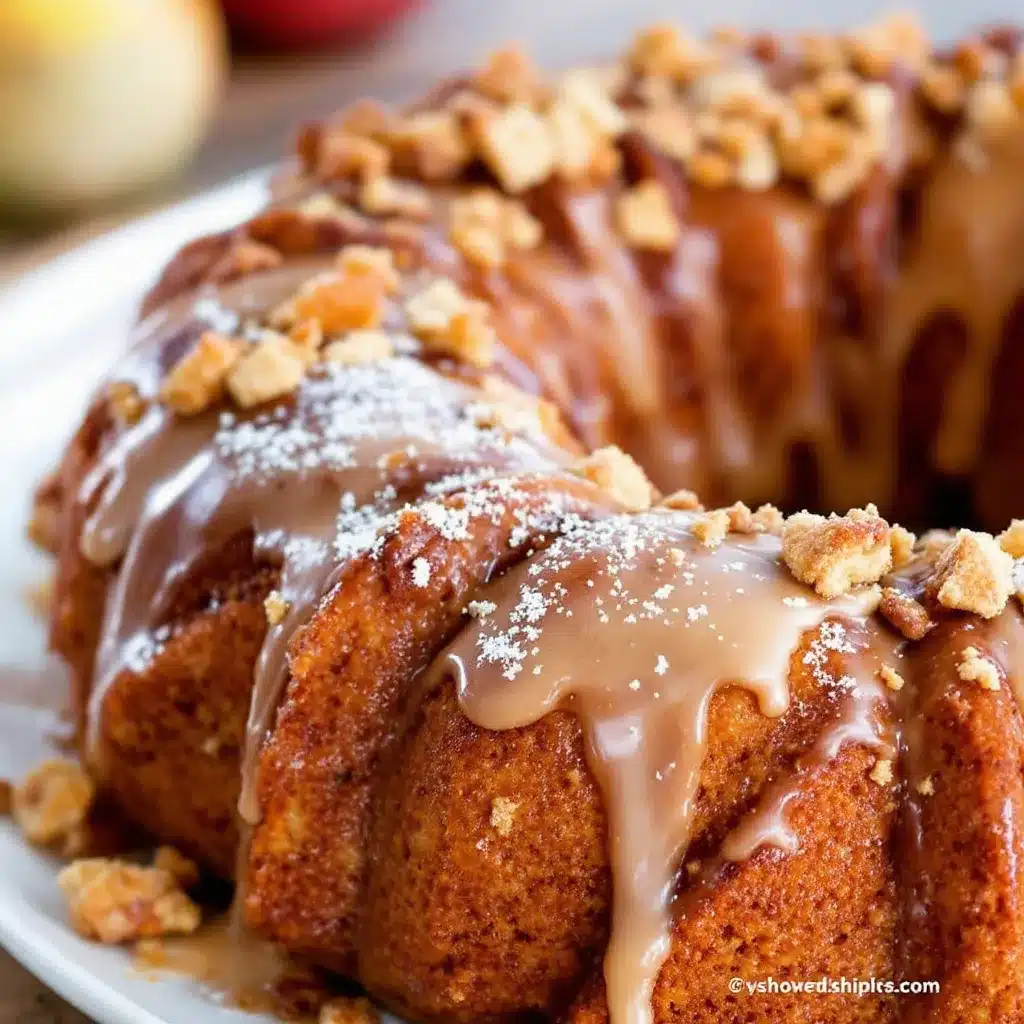
While the cake baked, filling the house with that impossible-to-resist aroma of caramelized butter and spiced apples, I just stood there. The timer beeped, but the smell told me it needed two more minutes. When I finally flipped it out onto the cooling rack, the golden crust glistened. It wasn’t perfect—there was a tiny tear on one side—but it didn’t matter. The first bite, warm and tender with a hint of crispness, was worth every bit of the stress. It’s the kind of Moist Brown Butter Apple Cider Bundt Cake that makes you forget you were ever rushing. It just tastes like home.
Why You’ll Love This Recipe
This isn’t just another autumn dessert; it’s a lesson in how simple ingredients can create something truly special when you pay attention to technique. I’ve tested this recipe at least a dozen times, tweaking the butter-to-flour ratio and experimenting with different apple varieties, to get the texture exactly right. The result is a cake that is incredibly moist, thanks to the reduced cider, yet has a delicate crumb that doesn’t feel heavy or dense. It’s the kind of baking that feels professional but is actually quite forgiving.
- Quick & Easy: While reducing the cider takes time, active prep is minimal. Once the batter is mixed, you’re mostly waiting for the oven. It’s perfect for busy weeknights when you want something homemade without the fuss.
- Simple Ingredients: You likely have everything you need in your pantry right now. Flour, butter, sugar, eggs, and apple cider. No fancy grocery trips needed for obscure items.
- Perfect for Fall Gatherings: Whether it’s a last-minute potluck, a cozy dinner party, or just a weekend treat, this cake fits the season perfectly. It pairs beautifully with a cup of tea or coffee.
- Crowd-Pleaser: Kids usually prefer plain vanilla, but the subtle apple flavor here is gentle enough for them, while adults appreciate the complexity of the brown butter. It always gets rave reviews.
- Unbelievably Delicious: The combination of toasted nutty butter and bright, tart apple cider creates a flavor profile that is next-level comfort food. It’s rich but balanced.
What makes this recipe different from the rest is the technique of reducing the cider. Most recipes just add liquid apple juice, which can make the cake soggy. By boiling it down, you concentrate the flavor and remove excess water, ensuring a tender crumb. It’s a small step that makes a huge difference. This isn’t just another version—it’s my best version. It’s the kind of cake that makes you close your eyes after the first bite. It’s comfort food reimagined—healthier in spirit, faster in practice, but with the same soul-soothing satisfaction.
What Ingredients You Will Need
This recipe uses simple, wholesome ingredients to deliver bold flavor and satisfying texture without the fuss. The key to success lies in the quality of your butter and the concentration of your cider. Here is what you need to gather:
For the Brown Butter & Cider Base
- Unsalted Butter: 1 cup (2 sticks / 226g), cut into cubes. I recommend using high-quality European-style butter for a richer flavor. Look for butter with a higher fat content if possible.
- Apple Cider: 1 cup (240ml). Use fresh, cloudy apple cider if you can find it. Clear juice won’t give you the same depth of flavor. You need to reduce this to about 1/4 cup.
- Apple Cider Vinegar: 1 teaspoon. This isn’t for taste, but to react with the baking soda and help the cake rise. It balances the sweetness perfectly.
For the Dry Ingredients
- All-Purpose Flour: 2 cups (250g). Spoon and level it for accuracy. If you want a slightly lighter texture, you can swap in 1/2 cup of cake flour.
- Baking Soda: 1 teaspoon. Fresh is key here. If your baking soda is old, the cake won’t rise properly.
- Baking Powder: 1/2 teaspoon. Gives that extra lift.
- Salt: 1/2 teaspoon. Enhances all the other flavors.
- Ground Cinnamon: 1 1/2 teaspoons. Don’t skimp on the spice; it’s essential for the fall vibe.
- Ground Ginger: 1/2 teaspoon. Adds a warm, spicy kick.
- Nutmeg: 1/4 teaspoon, freshly grated if you have a nutmeg. Freshly grated is infinitely better than the pre-ground stuff.
For the Wet Ingredients & Mix-Ins
- Granulated Sugar: 1 1/2 cups (300g). Provides sweetness and helps create the crust.
- Large Eggs: 2 large, room temperature. Cold eggs can cause the butter to seize up, so let them sit out for 30 minutes.
- Vanilla Extract: 1 teaspoon. Pure vanilla, please. I use Martin’s Pure Vanilla because it has a consistent flavor profile.
- Fresh Apples: 2 medium apples (about 300g), peeled, cored, and diced into 1/2-inch cubes. I recommend using a mix of tart and sweet apples, like Granny Smith and Honeycrisp, for the best texture and flavor balance.
Substitution Note: If you need to make this gluten-free, you can use a 1:1 gluten-free flour blend that includes xanthan gum. The texture will be slightly more tender, but still delicious. For a dairy-free option, swap the butter for a high-quality vegan butter stick, though the browning process will be slightly different.
Equipment Needed
You don’t need a lot of fancy gear for this, but having the right tools makes the process smoother. The most important item is a 10 to 12-cup Bundt pan. I use a non-stick Nordic Ware pan because it releases cakes beautifully, even with intricate designs. If your pan is older or not non-stick, you might want to consider a new one; cheap pans often have porous surfaces that trap batter.
You’ll also need a medium saucepan for reducing the apple cider. A stainless steel pan works best because you can see the color change clearly. A wooden spoon or heatproof spatula is essential for stirring the butter while it browns—you don’t want to walk away from it.
For mixing, a large bowl and a whisk or electric mixer are needed. I prefer using an electric mixer on medium speed to ensure the butter and sugar are fully creamed, which incorporates air and leads to a lighter cake. A fine-mesh sieve is helpful for sifting the dry ingredients to avoid lumps. Finally, a cooling rack is necessary to let the cake breathe after baking; leaving it in the hot pan can make the bottom soggy.
Preparation Method
Follow these steps carefully to achieve the perfect moist texture and rich flavor.
- Prepare the Pan and Oven: Preheat your oven to 325°F (165°C). This lower temperature is crucial for Bundt cakes to cook through without burning the top. Generously grease your Bundt pan with baking spray that contains flour, or use butter and flour. Be thorough! Get into every nook and cranny of the pan. If you miss a spot, the cake will stick. (5 minutes)
- Reduce the Apple Cider: Pour the 1 cup of apple cider into a medium saucepan. Bring it to a boil over medium-high heat, then reduce the heat to medium-low. Simmer until the liquid reduces to about 1/4 cup. This should take about 15-20 minutes. You want it to be syrupy but not caramelized. Remove from heat and let it cool completely. (20 minutes)
- Brown the Butter: In a small saucepan over medium heat, melt the 1 cup of cubed butter. Stir constantly with a wooden spoon. The butter will foam, then crackle. Watch closely as the foam subsides. You’ll see brown milk solids at the bottom and smell a nutty, toasted aroma. This takes about 5-7 minutes. Immediately pour the brown butter into a heatproof bowl to stop the cooking. Let it cool for 10 minutes so it’s warm but not hot. (10 minutes)
- Mix Dry Ingredients: In a medium bowl, whisk together the flour, baking soda, baking powder, salt, cinnamon, ginger, and nutmeg. Set aside. (2 minutes)
- Cream Butter and Sugar: In a large bowl, using an electric mixer on medium speed, beat the warm brown butter and granulated sugar together for 3-4 minutes. The mixture should look pale and fluffy. This step is vital for the cake’s structure. (4 minutes)
- Add Eggs and Vanilla: Add the eggs one at a time, beating well after each addition. Scrape down the sides of the bowl with a spatula. Mix in the vanilla extract. (2 minutes)
- Combine Wet and Dry: With the mixer on low speed, add the dry ingredients in three parts, alternating with the reduced apple cider in two parts. Start and end with the dry ingredients. Mix just until combined. Do not overmix, or the cake will be tough. (3 minutes)
- Fold in Apples: Gently fold the diced apples into the batter using a spatula. Make sure they are evenly distributed. (2 minutes)
- Bake: Pour the batter into the prepared Bundt pan and smooth the top. Bake for 50-60 minutes. The cake is done when a long skewer inserted into the center comes out clean or with just a few moist crumbs. The top should be golden brown and spring back when lightly touched. (50-60 minutes)
- Cool and Serve: Let the cake cool in the pan for 15 minutes. Then, invert it onto a cooling rack to cool completely. This prevents the cake from breaking apart. Serve plain or with a dusting of powdered sugar. (15 minutes cooling)
Cooking Tips & Techniques
Browning butter can be intimidating, but it’s easier than it looks. The key is patience and attention. If you leave the kitchen, you risk burning the milk solids, which will make the cake taste bitter. Listen to the butter; when the crackling sound stops and you smell nuts, it’s time. I once walked away to answer a phone call and came back to a pan of black sludge. Don’t make my mistake.
Another common mistake is not reducing the cider enough. If the liquid is too thin, your cake will be dense and gummy. You want that syrupy consistency. If you’re short on time, you can use store-bought apple cider syrup, but reducing fresh cider is worth the effort for the fresh flavor.
Room temperature eggs are non-negotiable. If you add cold eggs to the brown butter, the butter will solidify into lumps. If this happens, don’t panic. Just whisk the mixture vigorously or give it a few seconds in the microwave to bring the temperature back up.
When folding in the apples, be gentle. You don’t want to crush them or deflate the batter. Just enough to coat them in the mixture is fine. Also, make sure your apples are cut into uniform 1/2-inch cubes. Larger chunks might not cook through, while smaller pieces might turn into mush.
Variations & Adaptations
This recipe is quite versatile, allowing you to tweak it to your taste or dietary needs. Here are a few ideas:
- Spiced Streusel Topping: For a crunchier texture, add a streusel topping. Mix 1/2 cup flour, 1/4 cup brown sugar, 1/4 cup cold cubed butter, and 1/2 teaspoon cinnamon. Sprinkle over the batter before baking.
- Glazed Version: After the cake cools, drizzle it with a simple glaze. Whisk together 1 cup powdered sugar, 2 tablespoons apple cider, and 1/2 teaspoon vanilla until smooth. Drizzle over the top while the cake is still slightly warm so the glaze soaks in a bit.
- Walnut Addition: Add 1/2 cup of toasted walnuts along with the apples for a nutty crunch. This pairs beautifully with the cinnamon and apple flavors.
- Gluten-Free Option: Use a high-quality 1:1 gluten-free flour blend. Ensure your baking powder and soda are certified gluten-free. The texture may be slightly more crumbly, so handle with care when inverting.
- Dairy-Free: Substitute the butter with a vegan butter stick that browns well (like Miyoko’s or Earth Balance). Note that vegan butter has a higher water content, so you may need to brown it slightly longer to get the nutty flavor.
I personally love adding a handful of dried cranberries to the batter for a tart contrast. It’s a personal variation I’ve tried for years, and it adds a nice pop of color and flavor.
Serving & Storage Suggestions
This cake is best served at room temperature, allowing the flavors to fully develop. It pairs wonderfully with a hot cup of coffee or a glass of cold milk. For a more indulgent treat, serve a slice with a dollop of whipped cream or a scoop of vanilla bean ice cream.
For storage, wrap the cooled cake tightly in plastic wrap or store it in an airtight container at room temperature for up to 3 days. The moisture from the cider helps it stay fresh for several days. If you live in a humid climate, you might want to refrigerate it to prevent mold, but let it come to room temperature before serving for the best texture.
You can also freeze this cake. Wrap individual slices or the whole cake in plastic wrap, then in aluminum foil. It will keep in the freezer for up to 2 months. Thaw overnight in the refrigerator or at room temperature. The flavors actually seem to meld and improve after a day or two, making it a great make-ahead dessert for parties.
Nutritional Information & Benefits
While this is a treat, it’s not entirely devoid of nutritional value. Apples provide fiber and vitamin C, and the brown butter adds a rich, satisfying fat that helps keep you full. Each slice (assuming 12 servings) contains approximately 350 calories, 18g of fat, 45g of carbohydrates, and 4g of protein.
It is not suitable for those with gluten or egg allergies without significant substitution. However, for most people, it’s a balanced indulgence. I appreciate that it uses real fruit rather than artificial flavorings, which feels a bit healthier, even if it’s still a cake. Moderation is key, of course!
Conclusion
This Moist Brown Butter Apple Cider Bundt Cake is a testament to the beauty of simple, seasonal ingredients. It’s moist, flavorful, and surprisingly easy to make, even on a busy weeknight. I hope you try it and find it as much of a joy to bake as I did. Feel free to customize it with your favorite nuts or glazes to make it your own.
If you make this recipe, I’d love to hear how it turned out! Please leave a comment below with your thoughts. Did you add walnuts? Did you use a specific type of apple? Sharing your experiences helps me and other readers. Also, if you enjoyed this, you might like my Easy Pumpkin Spice French Toast Casserole for a similar autumn vibe. Happy baking!
FAQs
Can I use apple juice instead of apple cider?
It’s not recommended. Apple juice is filtered and lacks the depth of flavor that cloudy apple cider provides. If you must use juice, reduce it further to concentrate the flavor, but the result won’t be as rich.
Why did my cake stick to the pan?
This usually happens if the pan wasn’t greased thoroughly enough or if the cake wasn’t cooled for the full 15 minutes before inverting. Make sure to get into every crevice of the Bundt pan with your grease.
Can I make this cake ahead of time?
Yes! This cake actually tastes better the next day as the flavors meld. You can bake it 1-2 days in advance and store it at room temperature.
What is the best type of apple to use?
I recommend a mix of tart and sweet apples. Granny Smith provides structure and tartness, while Honeycrisp or Fuji add sweetness and moisture. Avoid apples that turn to mush when cooked, like Red Delicious.
How do I know when the brown butter is done?
Watch for the foam to subside and the milk solids at the bottom to turn golden brown. The smell should be nutty and toasted. If it smells burnt, start over.
Pin This Recipe!
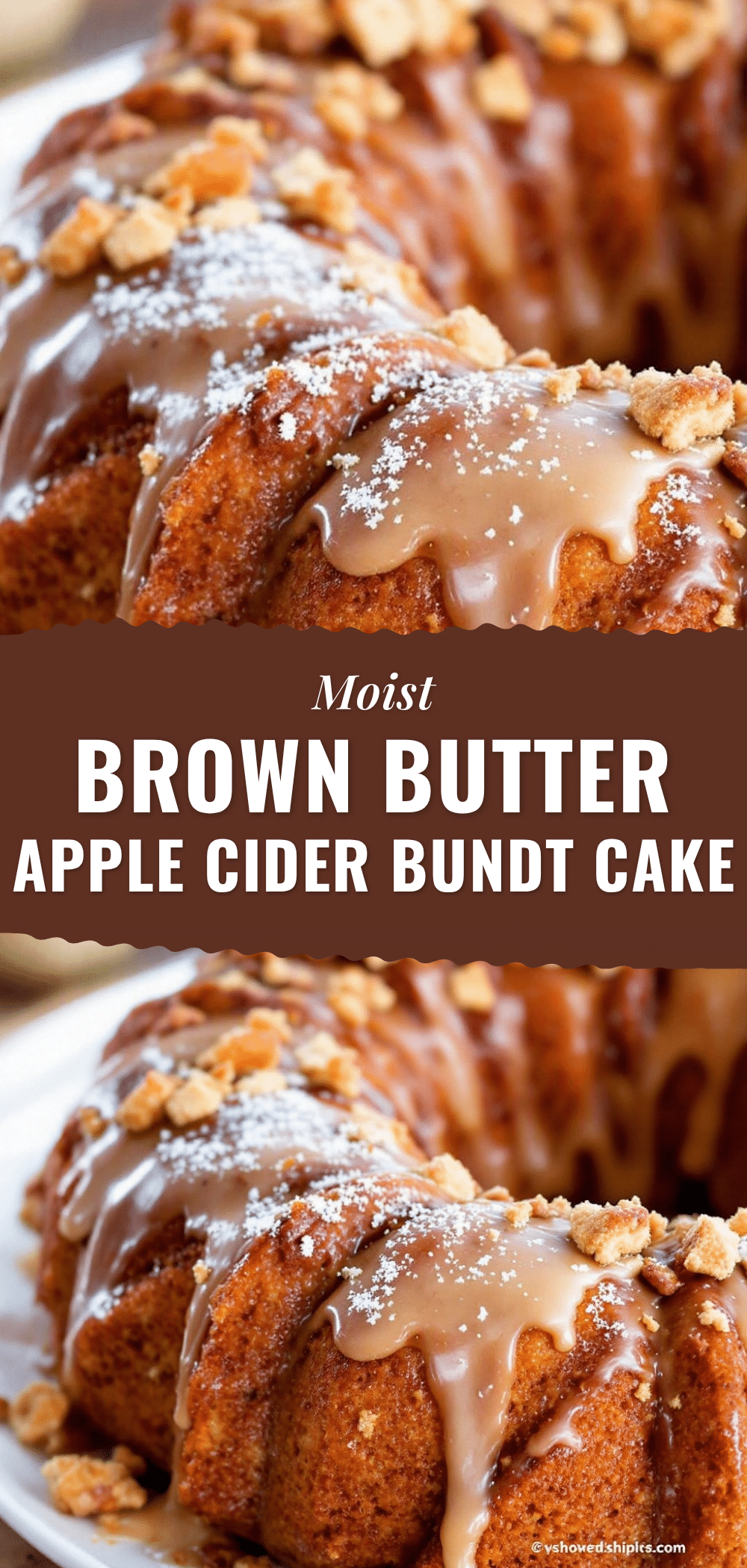
Moist Brown Butter Apple Cider Bundt Cake
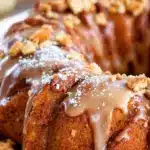
A rich, moist fall dessert featuring nutty brown butter and concentrated apple cider, baked in a Bundt pan with fresh diced apples for a tender crumb and deep seasonal flavor.
- Prep Time: 25 minutes
- Cook Time: 60 minutes
- Total Time: 85 minutes
- Yield: 12 servings 1x
- Category: Dessert
- Cuisine: American
Ingredients
- 1 cup (2 sticks / 226g) unsalted butter, cut into cubes
- 1 cup (240ml) apple cider
- 1 teaspoon apple cider vinegar
- 2 cups (250g) all-purpose flour
- 1 teaspoon baking soda
- 1/2 teaspoon baking powder
- 1/2 teaspoon salt
- 1 1/2 teaspoons ground cinnamon
- 1/2 teaspoon ground ginger
- 1/4 teaspoon nutmeg, freshly grated
- 1 1/2 cups (300g) granulated sugar
- 2 large eggs, room temperature
- 1 teaspoon vanilla extract
- 2 medium apples (about 300g), peeled, cored, and diced into 1/2-inch cubes
Instructions
- Preheat oven to 325°F (165°C). Generously grease a 10-12 cup Bundt pan with baking spray containing flour or butter and flour, ensuring all nooks are covered.
- Pour 1 cup apple cider into a medium saucepan. Bring to a boil over medium-high heat, then reduce to medium-low. Simmer until reduced to about 1/4 cup (syrupy consistency). Remove from heat and let cool completely.
- Melt 1 cup cubed butter in a small saucepan over medium heat. Stir constantly until foam subsides, milk solids turn brown, and a nutty aroma develops (5-7 minutes). Immediately pour into a heatproof bowl to stop cooking and let cool for 10 minutes until warm but not hot.
- In a medium bowl, whisk together flour, baking soda, baking powder, salt, cinnamon, ginger, and nutmeg. Set aside.
- In a large bowl, use an electric mixer to beat the warm brown butter and granulated sugar together for 3-4 minutes until pale and fluffy.
- Add eggs one at a time, beating well after each addition. Scrape down the sides of the bowl. Mix in vanilla extract.
- With mixer on low speed, add dry ingredients in three parts, alternating with the reduced apple cider in two parts. Start and end with dry ingredients. Mix just until combined.
- Gently fold diced apples into the batter using a spatula until evenly distributed.
- Pour batter into the prepared Bundt pan and smooth the top. Bake for 50-60 minutes, or until a skewer inserted into the center comes out clean. The top should be golden brown and spring back when touched.
- Let the cake cool in the pan for 15 minutes. Invert onto a cooling rack to cool completely before serving.
Notes
Ensure apples are room temperature to prevent butter from seizing. Do not overmix the batter to avoid a tough cake. For best results, use a mix of tart (Granny Smith) and sweet (Honeycrisp) apples. The cake can be stored at room temperature for up to 3 days or frozen for up to 2 months.
Nutrition
- Serving Size: 1 slice
- Calories: 350
- Sugar: 30
- Sodium: 250
- Fat: 18
- Saturated Fat: 11
- Carbohydrates: 45
- Fiber: 1
- Protein: 4
Keywords: apple cider cake, brown butter bundt cake, fall dessert, moist bundt cake, autumn baking, easy fall recipe, apple cake