Love this? Save it for later!
Share the inspiration with your friends
I figured a sheet pan dinner that looked this good in photos had to be complicated. It took about three minutes of reading the recipe for that assumption to fall apart completely. I mean, you just toss salmon and asparagus with some lemon, garlic, and herbs, then let the oven do the rest. That’s it. Honestly, I felt a little cheated at first. Where was the fussy sauce? The complicated marinade? The multiple pans to wash?
Then I took my first bite. The salmon came out perfectly flaky, with that gorgeous golden crust that makes you feel like you actually know what you’re doing. The asparagus had just the right snap, all bright and lemony. And the whole thing took less time than it would to order takeout and wait for delivery. That’s when I got it. This easy lemon herb salmon and asparagus is exactly what a weeknight dinner should be. No drama. No stress. Just really, really good food that makes you look like a hero.
Why You’ll Love This Recipe
Look, I’ve tested a lot of salmon recipes over the years. Some are good. Some are great. This one is the one I actually make on a Tuesday night when I’m tired and hungry and just want something that works. Here is why it will probably end up in your regular rotation too (it certainly has in mine).
- 20 Minutes Flat: From fridge to table in twenty minutes. That’s faster than most pasta boils. Perfect for those nights when you walk in the door and dinner needs to happen yesterday.
- One Pan, Minimal Mess: Everything cooks on a single sheet pan. No extra pots, no splattering stovetops, no pile of dishes staring at you while you eat.
- Simple Ingredients: You probably have most of this in your kitchen right now. Lemon, garlic, olive oil, salt, pepper. It’s the kind of recipe that doesn’t require a special trip to the store.
- Healthy Without Trying: This is naturally packed with protein and omega-3s from the salmon, plus fiber and vitamins from the asparagus. It feels indulgent but it’s actually really good for you.
- Impressive Enough for Guests: The first time I made this for friends, they thought I’d spent an hour on it. I just smiled and didn’t mention the twenty-minute thing. Let them be impressed.
What makes this version different from all the other sheet pan salmon recipes out there? It’s the balance. The lemon isn’t too sharp. The garlic isn’t too aggressive. The herbs add brightness without overwhelming the salmon’s natural richness. I’ve dialed in the temperature and timing so that everything finishes at the same moment. No overcooked fish. No soggy asparagus. Just a perfect, complete meal that practically makes itself.
What Ingredients You Will Need
This recipe keeps things refreshingly simple. Most of these are pantry staples, which is exactly what you want on a busy weeknight. Here is what you will need and a few notes on why each ingredient matters.
- Salmon Fillets (4 fillets, about 6 oz each): Look for fillets that are roughly the same thickness so they cook evenly. I prefer wild-caught when I can find it, but good-quality farmed salmon works beautifully too. Pat them dry before seasoning for the best sear.
- Fresh Asparagus (1 bunch, about 1 lb): Choose spears that are bright green with firm, closed tips. Thicker spears hold up better to roasting and are less likely to get mushy. Snap off the woody ends before cooking.
- Lemons (2 large): You will use both the zest and the juice. One lemon for the marinade and one for slicing and roasting alongside the salmon. Fresh lemons are non-negotiable here.
- Garlic (4 cloves, minced): Fresh garlic gives this dish its aromatic backbone. I recommend using a microplane or a garlic press for the best texture. Pre-minced jarred garlic works in a pinch but the flavor is milder.
- Olive Oil (3 tablespoons): Use a good quality extra virgin olive oil. It carries the flavors and helps everything get beautifully golden in the oven.
- Fresh Dill (2 tablespoons, chopped): Dill and salmon are a classic pairing for a reason. It adds a fresh, slightly sweet herbal note that brightens the whole dish.
- Fresh Parsley (2 tablespoons, chopped): Flat-leaf parsley adds a clean, peppery finish. It rounds out the herb profile without overpowering anything.
- Dried Oregano (1 teaspoon): A little dried oregano adds warmth and depth. It’s the secret ingredient that makes the whole thing taste more complex than it really is.
- Salt and Black Pepper (to taste): I use kosher salt for cooking and flaky sea salt for finishing. Freshly cracked black pepper makes a difference here.
- Optional Garnish: Red Pepper Flakes (for heat): If you like a little kick, a pinch of red pepper flakes adds a lovely warmth without making it spicy.
Substitution Notes: If you do not have fresh dill, you can use 1 teaspoon of dried dill instead. The flavor will be more subtle but still good. No fresh parsley? Skip it or use fresh chives. For a different herb profile, try fresh thyme or rosemary. And if asparagus is not in season or you just want a change, green beans or broccoli florets work beautifully in its place.
Equipment Needed
One of the best things about this recipe is that it does not require any fancy equipment. You probably already have everything you need. Here is the short list.
- Large Sheet Pan (13×18 inch): A rimmed baking sheet is ideal. It catches any juices and keeps everything contained. I prefer a heavy-duty aluminum or steel pan for even heat distribution.
- Parchment Paper or Aluminum Foil: Lining the pan makes cleanup practically effortless. Parchment is my go-to because nothing sticks to it.
- Chef’s Knife: For trimming the asparagus and mincing the garlic. A sharp knife makes prep much faster and safer.
- Cutting Board: Any sturdy cutting board will do. I like having a separate one for raw fish to avoid cross-contamination.
- Small Mixing Bowl: For whisking together the lemon herb marinade. A small bowl or even a liquid measuring cup works fine.
- Microplane or Zester: For getting the lemon zest without the bitter white pith. If you do not have one, a fine grater works in a pinch.
- Instant-Read Thermometer (optional but recommended): This takes the guesswork out of cooking salmon. Perfectly cooked salmon should reach 125-130°F at the thickest part.
Preparation Method
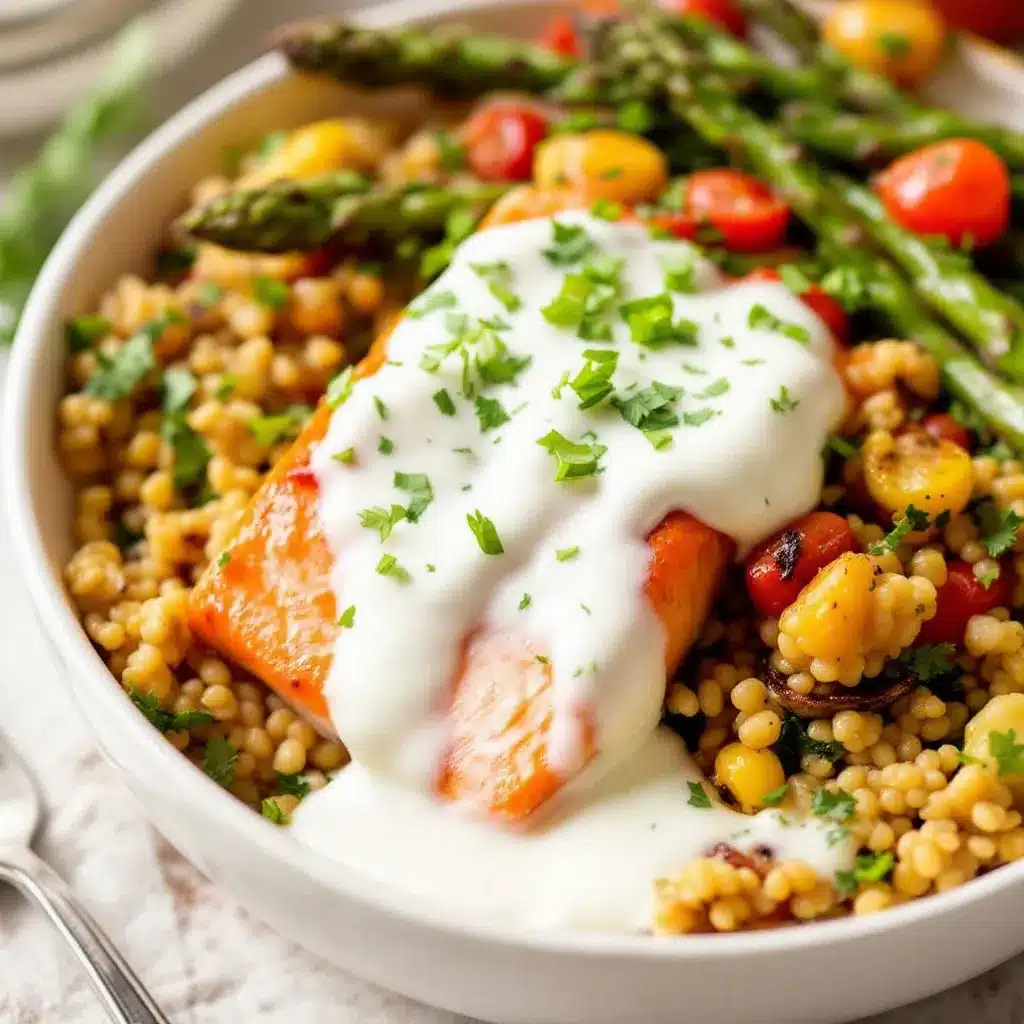
Alright, let’s get cooking. This whole process takes about 20 minutes, and most of that is hands-off oven time. Here is exactly how to do it.
- Preheat your oven to 400°F (200°C). Place a rack in the middle position. While the oven is heating, line your sheet pan with parchment paper or aluminum foil. This makes cleanup a breeze.
- Prepare the salmon. Rinse the salmon fillets under cold water and pat them completely dry with paper towels. This step is important because dry fish gets a better sear. Place the fillets on one half of the prepared sheet pan, skin-side down if they have skin. Leave a little space between each fillet.
- Prepare the asparagus. Rinse the asparagus and snap off the woody ends. The easiest way to do this is to hold a spear at both ends and bend it gently until it snaps naturally. It will break right where the tough part ends. Arrange the asparagus on the other half of the sheet pan in a single layer.
- Make the lemon herb mixture. In a small bowl, combine the olive oil, lemon zest, lemon juice (from one lemon), minced garlic, chopped dill, chopped parsley, dried oregano, ½ teaspoon of salt, and ¼ teaspoon of black pepper. Whisk until everything is well combined. Taste it and adjust the seasoning if needed.
- Season the salmon. Drizzle about two-thirds of the lemon herb mixture over the salmon fillets. Use a brush or the back of a spoon to spread it evenly over the tops and sides. Reserve the remaining mixture for the asparagus.
- Season the asparagus. Drizzle the remaining lemon herb mixture over the asparagus. Use your hands or tongs to toss the spears gently until they are all lightly coated. Spread them back into a single layer.
- Add lemon slices. Slice the remaining lemon into thin rounds. Place a couple of slices on top of each salmon fillet and scatter the rest around the asparagus on the pan. This adds more lemony flavor as everything roasts.
- Roast for 12-15 minutes. Place the sheet pan in the preheated oven. Roast for 12 minutes, then check for doneness. The salmon should be opaque and flake easily with a fork. The asparagus should be tender but still have a little bite. If you are using an instant-read thermometer, the salmon should read 125-130°F at the thickest part for medium. For well-done, let it go to 135°F.
- Rest and serve. Remove the pan from the oven and let it rest for 2-3 minutes. This allows the juices to redistribute. Discard the lemon slices from the top of the salmon if you like (they look pretty but can be a little bitter after roasting). Sprinkle with a pinch of flaky sea salt and some red pepper flakes if you want a little heat.
- Plate and enjoy. Serve the salmon fillets alongside the roasted asparagus. A squeeze of fresh lemon juice right before eating brightens everything up. That is it. Dinner is done in under twenty minutes.
Cooking Tips & Techniques
I have made this easy lemon herb salmon and asparagus more times than I can count, and I have definitely learned a few things along the way. Here are the tips that make the biggest difference.
Pat the salmon dry. This is not just a suggestion. Wet salmon steams instead of searing, and you want that beautiful golden crust. Take the extra thirty seconds to pat each fillet dry with paper towels before you add the marinade.
Do not overcrowd the pan. If the salmon fillets are touching or the asparagus is piled on top of itself, they will steam instead of roast. Use the largest sheet pan you have and spread everything out in a single layer. If you need to, use two pans.
Check for doneness early. Ovens vary, and the thickness of your salmon fillets matters. Start checking at the 10-minute mark if your fillets are on the thinner side. It is much easier to put something back in the oven than it is to fix overcooked, dry fish.
Use the broiler for extra color. If you want that gorgeous golden top on your salmon, switch the oven to broil for the last 1-2 minutes of cooking. Watch it carefully though. The line between perfectly golden and burnt is very thin under the broiler.
Room temperature ingredients help. If you have time, let the salmon sit at room temperature for about 10 minutes before cooking. This helps it cook more evenly. Cold salmon straight from the fridge will cook unevenly and might be raw in the center.
I once forgot to pat the salmon dry and ended up with pale, watery fish that took forever to cook. It was still edible, but it was not the beautiful, golden meal I was hoping for. Learn from my mistake. Dry fish is happy fish.
Variations & Adaptations
This recipe is wonderfully flexible. Here are some of my favorite ways to change it up depending on what I have in the fridge or what I am craving.
Lemon Garlic Butter Version: For a richer, more indulgent take, replace the olive oil with 3 tablespoons of melted butter. Add an extra clove of garlic and a tablespoon of capers for a classic piccata-style flavor. The butter adds a nutty richness that is absolutely incredible.
Spicy Cajun Twist: Swap the dill and oregano for 1-2 teaspoons of Cajun seasoning. The smoky, spicy flavors pair beautifully with the lemon. This version is fantastic with a side of creamy coleslaw or corn on the cob.
Mediterranean Style: Add a handful of cherry tomatoes and a few sliced Kalamata olives to the sheet pan alongside the asparagus. Crumble some feta cheese over the finished dish. This turns it into a full Mediterranean feast with almost no extra effort.
Herb Swap: Not a fan of dill? Use fresh thyme or rosemary instead. Both pair wonderfully with lemon and salmon. I have also made this with a combination of fresh basil and mint for a completely different flavor profile.
Different Vegetables: Asparagus is wonderful, but this method works with so many vegetables. Try broccoli florets, green beans, zucchini slices, or bell pepper strips. Just adjust the cooking time slightly for denser vegetables. You might need to add them a few minutes earlier than the salmon.
Serving & Storage Suggestions
This dish is beautiful as it is, but here are a few ways to round it out into a complete meal.
Serving Suggestions: I love serving this with a simple side of fluffy rice or quinoa to soak up the lemony juices. A crusty piece of bread is also wonderful for the same reason. For a lighter meal, serve it over a bed of fresh arugula or mixed greens with a simple vinaigrette. If you are feeling extra hungry, a side of roasted potatoes or a simple loaded baked potato salad makes this a truly satisfying dinner.
Storage: Leftovers keep well in an airtight container in the refrigerator for up to 3 days. The asparagus will soften a bit as it sits, but the flavor stays great. I do not recommend freezing this dish. The texture of both the salmon and the asparagus changes too much after thawing.
Reheating: The best way to reheat this is in a low oven (300°F) for about 5-7 minutes. You can also use a skillet over medium-low heat with a splash of water or lemon juice. Cover the pan with a lid to create steam. Avoid the microwave if you can. It tends to overcook the salmon and make it dry. The flavor actually gets better overnight as the lemon and herbs continue to meld together.
Nutritional Information & Benefits
This meal is as good for you as it is delicious. Here is a rough breakdown per serving (one salmon fillet plus asparagus).
- Calories: Approximately 350-400
- Protein: 35-40 grams (excellent for muscle repair and satiety)
- Healthy Fats: 20-25 grams (rich in omega-3 fatty acids from the salmon)
- Carbohydrates: 8-10 grams (mostly from the asparagus)
- Fiber: 3-4 grams (supports digestive health)
- Vitamin D: High amount from salmon (supports bone health and immune function)
- Vitamin C: Good source from the lemon and asparagus (antioxidant support)
This recipe is naturally gluten-free, low-carb, and keto-friendly. It is also dairy-free as written. The main allergens to be aware of are fish (salmon). If you have a citrus sensitivity, you can reduce the lemon juice and use a splash of white wine or chicken broth instead. I love that this meal feels indulgent but is actually packed with nutrients that make you feel great.
Conclusion
This easy lemon herb salmon and asparagus is exactly what a weeknight dinner should be. It is fast, simple, and genuinely delicious. The lemon and herbs brighten the rich salmon, while the asparagus roasts to tender perfection alongside it. No complicated techniques. No piles of dishes. Just a beautiful, healthy meal that comes together in twenty minutes flat.
I love this recipe because it proves that you do not need a lot of time or fancy ingredients to eat well. It is the kind of meal that makes you feel good about what you are putting on the table. And honestly? It makes you feel pretty good about yourself too.
I would love to hear how this turns out for you. Did you try a different herb? Swap in a different vegetable? Let me know in the comments below. Share this recipe with a friend who needs a quick and easy dinner idea, and do not forget to pin it for later. Happy cooking, friends!
Frequently Asked Questions
Can I use frozen salmon for this recipe?
Yes, you can absolutely use frozen salmon. Just make sure to thaw it completely in the refrigerator overnight before cooking. Pat it very dry before seasoning because frozen fish tends to release more moisture as it cooks. You might need to add an extra minute or two to the cooking time.
Do I need to flip the salmon while it cooks?
No, there is no need to flip the salmon. Cooking it skin-side down on the sheet pan allows the skin to get crispy while the flesh stays tender and flaky. The hot air circulating in the oven cooks the top perfectly without any flipping required.
Can I make this recipe with other types of fish?
Definitely. This lemon herb marinade works beautifully with other firm fish fillets. Try it with cod, halibut, mahi-mahi, or even trout. Adjust the cooking time based on the thickness of the fillet. Thinner fish like trout will cook faster, while thicker fillets like cod may need a few extra minutes.
How do I know when the salmon is fully cooked?
The best way is to use an instant-read thermometer. Salmon is perfectly cooked at 125-130°F for medium. If you do not have a thermometer, look for the fish to be opaque all the way through and flake easily when you gently press it with a fork. The internal temperature will continue to rise a few degrees as it rests.
Can I prep this recipe ahead of time?
You can prep the ingredients ahead, but I recommend cooking the salmon fresh. You can trim the asparagus, mince the garlic, chop the herbs, and mix the marinade up to a day in advance. Store everything separately in the refrigerator. When you are ready to cook, simply assemble and roast. The salmon is best enjoyed right out of the oven.
Pin This Recipe!
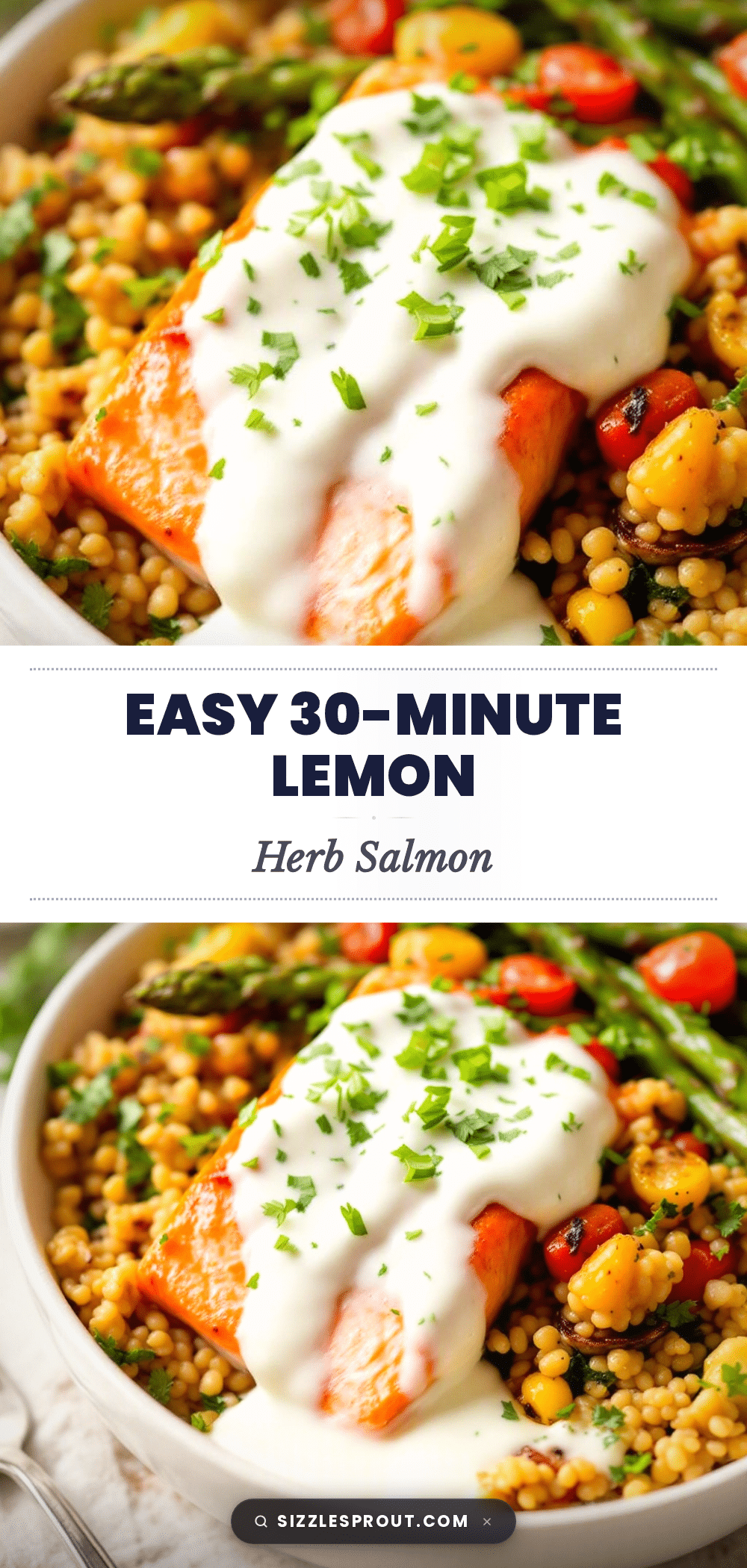
Easy Lemon Herb Salmon and Asparagus: Best 20-Minute Dinner

A quick and easy sheet pan dinner featuring perfectly flaky salmon and tender asparagus tossed with lemon, garlic, and herbs. Ready in just 20 minutes, it’s a healthy, delicious weeknight meal that looks impressive with minimal effort.
- Prep Time: 5 minutes
- Cook Time: 15 minutes
- Total Time: 20 minutes
- Yield: 4 servings 1x
- Category: Main Course
- Cuisine: American
Ingredients
- 4 salmon fillets (about 6 oz each)
- 1 bunch fresh asparagus (about 1 lb)
- 2 large lemons
- 4 cloves garlic, minced
- 3 tablespoons olive oil
- 2 tablespoons fresh dill, chopped
- 2 tablespoons fresh parsley, chopped
- 1 teaspoon dried oregano
- Salt and black pepper to taste
- Optional: red pepper flakes for garnish
Instructions
- Preheat oven to 400°F (200°C). Line a large sheet pan with parchment paper or aluminum foil.
- Rinse salmon fillets and pat dry with paper towels. Place skin-side down on one half of the prepared sheet pan.
- Rinse asparagus and snap off woody ends. Arrange in a single layer on the other half of the sheet pan.
- In a small bowl, whisk together olive oil, lemon zest, juice of 1 lemon, minced garlic, dill, parsley, oregano, 1/2 teaspoon salt, and 1/4 teaspoon black pepper.
- Drizzle about two-thirds of the lemon herb mixture over the salmon fillets, spreading evenly. Reserve the rest for the asparagus.
- Drizzle remaining mixture over the asparagus and toss gently to coat. Spread back into a single layer.
- Slice the remaining lemon into thin rounds. Place a few slices on each salmon fillet and scatter the rest around the asparagus.
- Roast for 12-15 minutes, until salmon is opaque and flakes easily with a fork, and asparagus is tender-crisp. For medium salmon, internal temperature should reach 125-130°F.
- Remove from oven and let rest 2-3 minutes. Discard lemon slices from salmon if desired. Sprinkle with flaky sea salt and red pepper flakes if using.
- Serve salmon with asparagus. Squeeze fresh lemon juice over the top before eating.
Notes
Pat salmon dry for best sear. Do not overcrowd the pan. Check doneness early as ovens vary. For extra color, broil last 1-2 minutes. Let salmon sit at room temperature 10 minutes before cooking for even cooking. Leftovers keep in refrigerator up to 3 days; reheat in low oven or skillet.
Nutrition
- Serving Size: 1 salmon fillet plus
- Calories: 375
- Sugar: 3
- Sodium: 450
- Fat: 22
- Saturated Fat: 4
- Carbohydrates: 9
- Fiber: 3.5
- Protein: 37
Keywords: salmon, asparagus, sheet pan dinner, lemon herb, quick dinner, healthy, 20-minute meal