Love this? Save it for later!
Share the inspiration with your friends
The first chill of the air — that sharp, clean snap that tells you summer is well and truly done — still makes me reach for the heaviest pot I own. It was a Tuesday in late September, and I was standing in my kitchen, staring at a pile of carrots, a sad half-bag of wild rice, and some chicken thighs I’d meant to grill but never got around to. I had that restless, slightly defeated feeling you get when the weather shifts and your body just wants something it can’t name. Something warm. Something that takes time. Something that fills the whole house with the kind of smell that makes people wander into the kitchen without a reason.
That was the day this soup was born. Not from a fancy recipe or a trip to the farmers’ market, but from a fridge that looked a little sad and a craving I couldn’t shake. I started chopping — onions, celery, those carrots — and the rhythm of it, the thunk of the knife on the board, felt like settling into a favorite chair. I didn’t have a plan, just an instinct. Brown the chicken first, get that fond on the bottom of the pot. Then the aromatics, then the rice, then a splash of broth that hissed and steamed. I let it bubble away on the stove while I folded laundry, and by the time the rice was tender, the whole apartment smelled like the kind of comfort you can’t buy.
Honestly, this Cozy One-Pot Fall Harvest Chicken and Wild Rice Soup is the recipe I didn’t know I needed. It’s not complicated — it’s a one-pot meal, after all — but it has a way of making a regular Tuesday feel like a special occasion. There’s something about the way the wild rice softens and splits, releasing its nutty flavor into the broth, and the way the chicken shreds into those perfect, tender pieces. It’s the kind of soup that doesn’t need a side dish or a fancy garnish. It just needs a bowl and a spoon and maybe a quiet moment to enjoy it.
Why You’ll Love This Recipe
This isn’t just another chicken soup recipe. I’ve tested this one more times than I care to admit, tweaking the ratio of rice to broth, adjusting the herbs, and even trying it with different cuts of chicken. I can tell you with confidence — this version is the one. Here’s why it works:
- One Pot, Minimal Mess: You brown the chicken, sauté the veggies, and simmer everything in the same pot. Less cleanup means more time to actually enjoy your evening.
- Simple, Pantry-Friendly Ingredients: No trips to a specialty store. You probably have most of these items — onions, garlic, carrots, celery, chicken, and wild rice — in your kitchen right now.
- Perfect for Meal Prep: This soup gets better after a day in the fridge. The flavors meld, the rice absorbs more broth, and it becomes even more comforting. Make it on Sunday and enjoy it all week.
- Naturally Hearty and Satisfying: The wild rice adds a wonderful chewiness that makes this soup feel like a complete meal. You won’t be hungry an hour later.
- Crowd-Pleaser: I’ve served this to picky eaters, health-conscious friends, and my uncle who “doesn’t really like soup.” Every single person went back for seconds.
What really sets this apart is the technique. Browning the chicken thighs first creates a deep, savory fond on the bottom of the pot. That browned bit is pure flavor — it’s the secret to a broth that tastes like it simmered all day, even though it only takes about an hour. And the wild rice? It’s not just a filler. It brings a nutty, earthy flavor and a texture that regular white rice just can’t match. This is the kind of soup that makes you close your eyes after the first spoonful. It’s comfort food that feels a little bit special, but without any of the stress.
What Ingredients You Will Need
This recipe uses simple, wholesome ingredients that come together to create a broth that’s rich, savory, and deeply satisfying. Here’s what you’ll need to gather:
For the Soup Base:
- 2 tablespoons olive oil or avocado oil — for browning the chicken and sautéing the vegetables. Avocado oil has a higher smoke point if you have it.
- 1 ½ pounds boneless, skinless chicken thighs (about 4-5 thighs) — thighs stay juicier than breasts during simmering. You can use breasts, but watch the cooking time so they don’t dry out.
- 1 medium yellow onion, diced (about 1 ½ cups) — the foundation of the flavor.
- 3 medium carrots, peeled and diced (about 1 cup) — adds sweetness and color.
- 3 stalks celery, diced (about 1 cup) — for that classic savory base.
- 4 cloves garlic, minced — because garlic makes everything better.
- 1 teaspoon dried thyme — earthy and slightly floral, it pairs beautifully with chicken and wild rice.
- 1 teaspoon dried rosemary — a woodsy, pine-like flavor that screams fall. Crush it between your fingers before adding to release the oils.
- ½ teaspoon dried sage (optional, but highly recommended) — adds a subtle, almost peppery warmth that’s perfect for this season. If you have fresh sage, use 1 teaspoon, chopped.
- Salt and freshly ground black pepper — to taste. I usually start with 1 teaspoon of salt and ½ teaspoon of pepper, then adjust at the end.
The Rice and Liquid:
- 1 cup wild rice blend (or 100% wild rice) — I prefer a blend that includes brown rice for a slightly softer texture. Lundberg Family Farms makes a great wild rice blend. Do not use instant rice; it will turn to mush.
- 6 cups low-sodium chicken broth — you can control the salt better with low-sodium broth. If you only have regular broth, reduce the added salt.
- 2 cups water — helps the rice cook fully without the broth becoming too concentrated.
- 1 bay leaf — adds a subtle herbal note that deepens as it simmers. Remove it before serving.
For Finishing:
- ½ cup heavy cream or full-fat coconut milk (for a dairy-free option) — this is optional, but it adds a luxurious silkiness that takes the soup over the top. I use heavy cream when I’m feeling indulgent.
- 2 tablespoons fresh parsley, chopped — for a pop of color and freshness at the end.
- Juice of ½ lemon (optional) — a tiny squeeze brightens everything up without making it taste lemony.
Substitution Notes:
- Chicken: Use boneless, skinless chicken breasts, but reduce the initial simmering time to 15-20 minutes. Shred or dice after cooking. For a vegetarian version, swap the chicken for 2 cans of drained chickpeas and use vegetable broth.
- Wild Rice: If you only have brown rice, it will work, but the texture will be softer and less nutty. Cook time will be about 30-35 minutes instead of 45.
- Dairy-Free: Coconut milk works beautifully here. Use the full-fat kind from a can for the best creaminess. It adds a very subtle sweetness that complements the earthy rice.
- Herbs: Fresh thyme and rosemary are even better. Use 1 tablespoon of fresh thyme leaves and 1 ½ teaspoons of fresh rosemary, finely chopped.
Equipment Needed
You don’t need a professional kitchen to make this soup. Here’s what I use:
- Large Dutch oven or heavy-bottomed pot (5-6 quart) — this is the star of the show. I use my 5.5-quart Le Creuset, but any heavy pot with a lid works. The heavy bottom helps with even browning and prevents scorching.
- Sharp chef’s knife — for dicing the vegetables. A dull knife makes prep frustrating and dangerous.
- Cutting board — preferably a large wooden or plastic one.
- Wooden spoon or spatula — for stirring and scraping up the browned bits from the bottom of the pot. A flat-edged wooden spatula is my favorite.
- Measuring cups and spoons — for accuracy, especially with the rice and broth.
- Ladle — for serving.
- Tongs — for flipping the chicken while browning.
- Two forks or a hand mixer — for shredding the chicken. I use two forks, but a hand mixer on low speed works in a pinch (just be careful not to over-shred).
Budget-Friendly Alternatives: If you don’t have a Dutch oven, a large stainless steel stockpot or even a deep non-stick skillet with a lid will work. Just keep an eye on the heat to prevent sticking.
Preparation Method
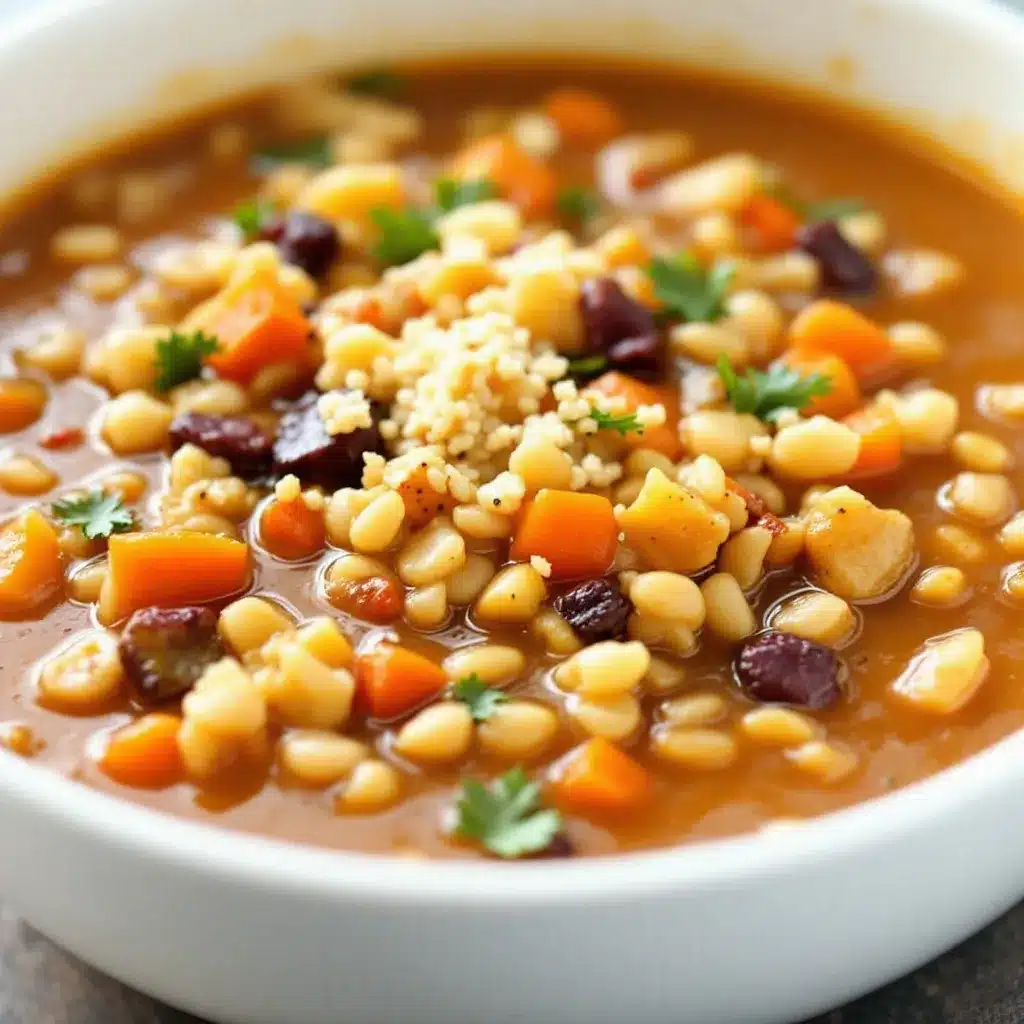
Let’s get cooking. This recipe comes together in about an hour, and most of that time is hands-off simmering.
- Brown the Chicken (10 minutes): Pat the chicken thighs dry with paper towels. This is important — dry chicken browns better. Season them generously on both sides with salt and pepper. Heat the olive oil in your Dutch oven over medium-high heat until it shimmers. Carefully place the chicken thighs in the pot, skin-side down if they have skin (mine are boneless, skinless, so just one side). Don’t crowd the pan — cook in two batches if needed. Let them cook undisturbed for 4-5 minutes, until the underside is deep golden brown. Flip and cook for another 3-4 minutes. The chicken won’t be cooked through yet, and that’s fine. Transfer the browned thighs to a plate and set aside. Don’t wipe out the pot — those browned bits are liquid gold.
- Sauté the Vegetables (8-10 minutes): Reduce the heat to medium. Add the diced onion, carrots, and celery to the pot. Stir to coat them in the oil and the browned bits. Cook, stirring occasionally, for 6-7 minutes, until the onions are translucent and the vegetables have softened. If the pot looks dry, add a splash of broth or water. Add the minced garlic, dried thyme, rosemary, and sage (if using). Stir constantly for 1 minute, until the garlic is fragrant. You’ll smell it immediately — that’s your cue.
- Deglaze and Build the Broth (2 minutes): Pour in about ½ cup of the chicken broth and use your wooden spoon to scrape up all those browned bits from the bottom of the pot. This is called deglazing, and it’s the secret to a deeply flavored broth. Let it bubble for a minute, then add the remaining 5 ½ cups of broth, the 2 cups of water, the bay leaf, and the wild rice. Stir everything together.
- Simmer the Soup (40-45 minutes): Return the browned chicken thighs to the pot, nestling them into the liquid. Bring the soup to a boil, then reduce the heat to low. Cover the pot with the lid slightly ajar (to allow a little steam to escape) and let it simmer gently. Set a timer for 40 minutes. After 40 minutes, check the rice. It should be tender but still have a slight chew — some grains will have split open, which is exactly what you want. If it’s still too firm, simmer for another 5-10 minutes.
- Shred the Chicken (5 minutes): Once the rice is tender, use tongs to remove the chicken thighs to a cutting board. Let them cool for a minute or two, then use two forks to shred the meat into bite-sized pieces. Discard any excess fat or gristle. Stir the shredded chicken back into the pot.
- Finish the Soup (5 minutes): Remove the bay leaf and discard it. If you’re using the cream or coconut milk, stir it in now. Let the soup simmer for another 2-3 minutes to heat through and meld the flavors. Taste the broth and adjust the seasoning — you might want another ½ teaspoon of salt or a few cracks of black pepper. If you’re using the lemon juice, stir it in right before serving. It doesn’t make the soup taste sour; it just brightens everything.
- Serve: Ladle the soup into bowls and garnish with a sprinkle of fresh parsley. Serve hot, with crusty bread or a simple side salad. If you’re in the mood for something sweet to follow, I love this with a slice of moist pumpkin banana walnut bread for dessert.
Cooking Tips & Techniques
I’ve made this soup more times than I can count, and I’ve learned a few things the hard way. Here are my top tips:
- Don’t Skip the Browning: I know it’s tempting to just throw everything in the pot and save time, but browning the chicken first is non-negotiable. That deep, savory flavor you’re after comes from the Maillard reaction — the browning of proteins. It’s what separates a good soup from a great one.
- Watch the Salt: Wild rice absorbs a lot of liquid, and it can also absorb a lot of salt. I always use low-sodium broth and add salt at the very end, after the rice is fully cooked. You can always add more salt, but you can’t take it out.
- The Rice Matters: I once used a quick-cooking wild rice blend, and it turned into a starchy, mushy mess. Use a good-quality wild rice blend or 100% wild rice. The cooking time on the package is usually for rice cooked in water alone — in soup, it takes a bit longer because of the other ingredients.
- Don’t Overcook the Chicken: Chicken thighs are forgiving, but if you simmer them for too long, they can become dry and stringy. Forty minutes is usually perfect. If you’re using chicken breasts, check them at the 20-minute mark.
- Make It Ahead: This soup is actually better the next day. The flavors meld and deepen overnight. If you’re meal prepping, cook the soup completely, let it cool, and store it in the fridge. The rice will absorb more liquid, so you might need to add a splash of broth or water when reheating.
- My Biggest Mistake: The first time I made this, I added the cream too early, and it curdled when I reheated the leftovers. Always add the cream at the very end, and don’t let the soup boil after it’s been added. Gentle heat is key.
Variations & Adaptations
This recipe is a great base for experimentation. Here are a few ways to make it your own:
- Vegetarian Version: Omit the chicken and use vegetable broth. Add 2 cans of drained and rinsed chickpeas or white beans along with the rice. The beans add protein and a creamy texture. You can also add a cup of chopped mushrooms (cremini or shiitake) when you sauté the vegetables for an earthy, umami boost.
- Spicy Kick: Add ½ teaspoon of red pepper flakes along with the garlic, or stir in a diced jalapeño (seeds removed for less heat) with the vegetables. A dash of smoked paprika also adds a lovely warmth.
- Different Grains: If you don’t have wild rice, try farro, barley, or brown rice. Farro and barley have a similar chewy texture and nutty flavor. Adjust cooking times accordingly — barley takes about 30-35 minutes, farro about 25-30.
- Add Greens: Stir in a few handfuls of fresh spinach or chopped kale during the last 5 minutes of cooking. The greens will wilt into the broth and add color and nutrients. Lacinato kale (also called dinosaur kale) holds up better than curly kale.
- Herb Swap: Not a fan of rosemary? Use 1 teaspoon of dried tarragon or marjoram instead. Tarragon has a slight licorice note that pairs beautifully with chicken.
- Creamy Without Dairy: For a dairy-free version that’s still rich and creamy, use full-fat canned coconut milk. I’ve also had success blending ½ cup of the soup (after the rice is cooked) and stirring it back in. This creates a naturally creamy texture without any added cream.
Serving & Storage Suggestions
This soup is a meal in itself, but here’s how to serve and store it for the best experience:
- Serving Temperature: Serve it piping hot, straight from the pot. I like to ladle it into deep bowls so it stays warm longer. A sprinkle of fresh parsley and a crack of black pepper on top is all it needs.
- What to Serve With It: Crusty bread for dipping is my go-to — a warm baguette or a slice of sourdough. A simple green salad with a lemon vinaigrette is also a great contrast to the rich soup. For a cozy fall meal, serve it alongside some cozy pumpkin sourdough for the ultimate comfort food experience.
- Storage: Let the soup cool completely before transferring it to an airtight container. It will keep in the refrigerator for up to 5 days. The flavors actually improve after a day or two.
- Freezing: This soup freezes well, but with one caveat — the texture of the wild rice can change slightly upon thawing. If you’re planning to freeze it, I recommend undercooking the rice by about 5 minutes. To freeze, let the soup cool completely, then transfer it to freezer-safe containers or bags. It will keep for up to 3 months. Thaw overnight in the refrigerator before reheating.
- Reheating: Reheat gently on the stovetop over medium-low heat, stirring occasionally. If the soup has thickened too much (the rice absorbs liquid as it sits), add a splash of chicken broth or water to thin it out. Avoid boiling, especially if you added cream, as it can cause the soup to separate.
- Flavor Development: I honestly prefer this soup on day two. The herbs have had time to meld, the rice has absorbed the broth, and everything tastes more cohesive. If you can, make it a day ahead.
Nutritional Information & Benefits
This soup is as nourishing as it is comforting. Here’s a rough estimate per serving (based on 6 servings, using heavy cream):
- Calories: ~420
- Protein: ~32g
- Fat: ~18g
- Carbohydrates: ~35g
- Fiber: ~5g
- Sugar: ~6g
Health Highlights:
- Wild Rice is actually a grain (not rice) that’s high in protein, fiber, and antioxidants. It’s also a good source of B vitamins and minerals like magnesium and zinc.
- Chicken Thighs provide a good amount of protein and iron. They’re also higher in healthy fats than chicken breasts, which helps keep you full and satisfied.
- Carrots and Celery are packed with vitamins A and K, plus fiber. They add sweetness and crunch without a lot of calories.
- Garlic and Herbs have anti-inflammatory properties and add flavor without extra salt or fat.
Dietary Considerations:
- Gluten-Free: This recipe is naturally gluten-free, as long as you use a certified gluten-free broth. Wild rice is always gluten-free.
- Dairy-Free: Use full-fat coconut milk instead of heavy cream. The soup will still be rich and creamy.
- Low-Carb Friendly: If you’re watching carbs, you can reduce the wild rice to ½ cup and add extra vegetables like zucchini or cauliflower.
- Potential Allergens: This recipe is free of the top 8 allergens when using coconut milk and a gluten-free broth. Always check your broth labels if you have specific sensitivities.
I love that this soup feels indulgent but is actually packed with good-for-you ingredients. It’s the kind of meal that fills you up without weighing you down — perfect for those crisp fall evenings when you want something cozy but not heavy.
Conclusion
This Cozy One-Pot Fall Harvest Chicken and Wild Rice Soup is the kind of recipe that becomes a staple. It’s forgiving, adaptable, and deeply satisfying in a way that only a good bowl of soup can be. The nutty wild rice, tender chicken, and savory broth come together in a single pot with minimal fuss and maximum flavor.
I hope you make this soup on a day when you need a little warmth — whether it’s a chilly Tuesday or a lazy Sunday afternoon. Don’t be afraid to play with the ingredients. Add more vegetables, swap the herbs, or make it creamy with coconut milk. The best recipes are the ones you make your own.
If you try this recipe, I’d love to hear how it turned out. Leave a comment below and let me know if you added your own twist. And if you’re looking for another cozy one-pot meal, you might enjoy this creamy garlic meatball pasta for a quick weeknight dinner. Happy cooking, friends — here’s to warm bowls and quiet evenings.
Frequently Asked Questions
Can I use chicken breasts instead of thighs?
Yes, you can. Boneless, skinless chicken breasts will work, but they cook faster and can dry out if simmered too long. Add the breasts at the same time as the rice, but check them at the 20-minute mark. They should be cooked through and tender. Shred or dice them before returning to the pot.
Can I make this soup in a slow cooker?
Absolutely. Brown the chicken and sauté the vegetables on the stovetop first, then transfer everything (including the raw rice) to your slow cooker. Cook on low for 6-8 hours or on high for 3-4 hours. Shred the chicken, stir in the cream and parsley, and serve.
How can I thicken the soup?
This soup is naturally thick from the wild rice, but if you want it even thicker, you can mash some of the rice against the side of the pot with a spoon. Alternatively, mix 1 tablespoon of cornstarch with 2 tablespoons of cold water to make a slurry, stir it into the soup, and let it simmer for 2-3 minutes.
Can I use pre-cooked wild rice?
You can, but the soup won’t have the same depth of flavor. Cooking the rice directly in the broth allows it to release its starches and absorb the savory liquid, which thickens and flavors the soup. If you use pre-cooked rice, add it during the last 10 minutes of simmering, and be aware that the soup will be thinner.
What if my soup is too salty?
If you accidentally over-salted the broth, don’t panic. Add a peeled, raw potato to the pot and let it simmer for 15-20 minutes. The potato will absorb some of the excess salt. Remove it before serving. You can also dilute the soup with a little unsalted broth or water.
Pin This Recipe!
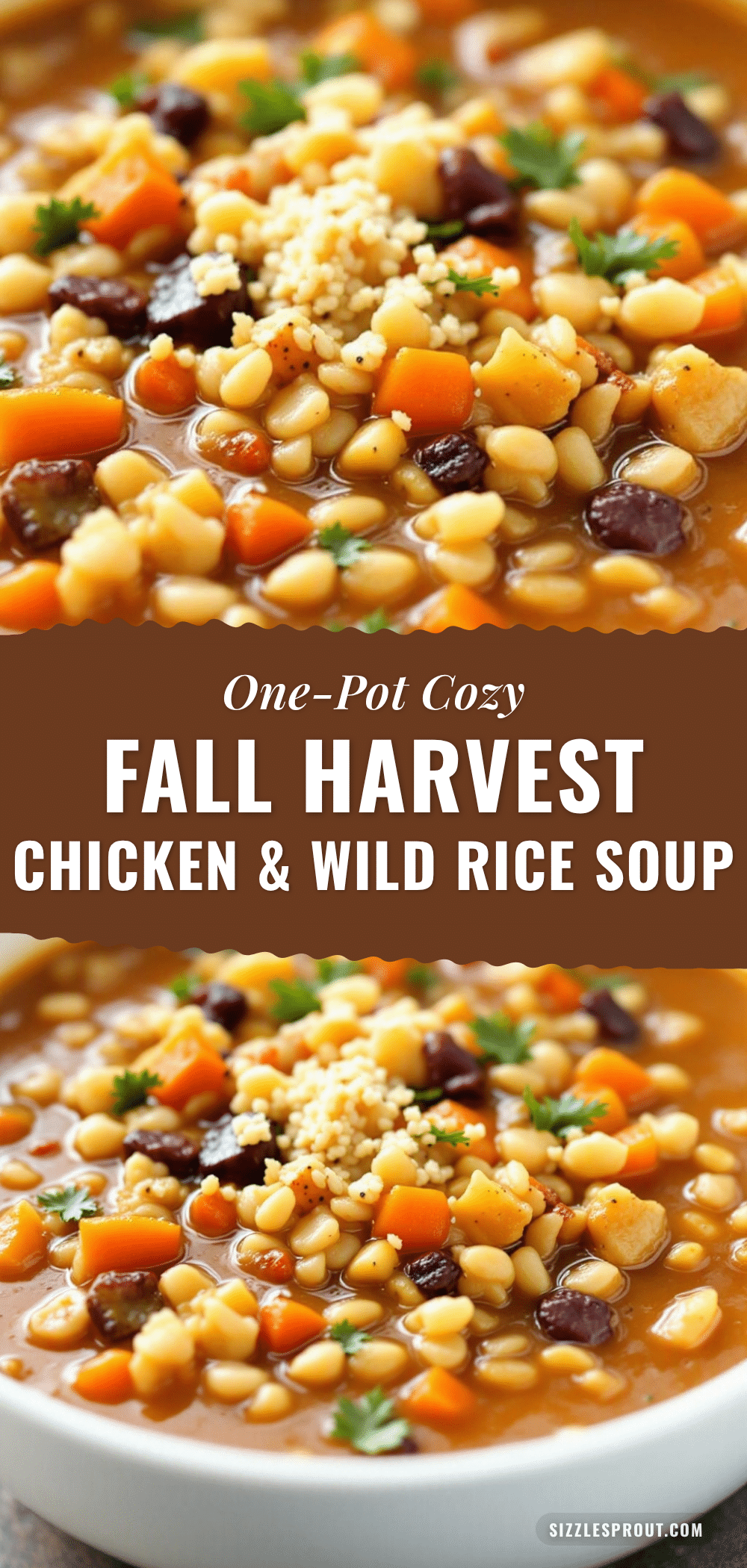
Cozy One-Pot Fall Harvest Chicken and Wild Rice Soup
A hearty and comforting one-pot soup featuring tender chicken, nutty wild rice, and a savory broth. Perfect for chilly fall evenings, this easy recipe is made with simple, wholesome ingredients and comes together in about an hour.
- Prep Time: 15 minutes
- Cook Time: 45 minutes
- Total Time: 1 hour
- Yield: 6 servings 1x
- Category: Main Course
- Cuisine: American
Ingredients
- 2 tablespoons olive oil or avocado oil
- 1 ½ pounds boneless, skinless chicken thighs (about 4–5 thighs)
- 1 medium yellow onion, diced (about 1 ½ cups)
- 3 medium carrots, peeled and diced (about 1 cup)
- 3 stalks celery, diced (about 1 cup)
- 4 cloves garlic, minced
- 1 teaspoon dried thyme
- 1 teaspoon dried rosemary
- ½ teaspoon dried sage (optional)
- Salt and freshly ground black pepper, to taste
- 1 cup wild rice blend (or 100% wild rice)
- 6 cups low-sodium chicken broth
- 2 cups water
- 1 bay leaf
- ½ cup heavy cream or full-fat coconut milk (for dairy-free)
- 2 tablespoons fresh parsley, chopped
- Juice of ½ lemon (optional)
Instructions
- Pat the chicken thighs dry with paper towels and season generously with salt and pepper. Heat the olive oil in a large Dutch oven over medium-high heat. Brown the chicken thighs for 4-5 minutes per side until deep golden brown. Transfer to a plate and set aside. Do not wipe out the pot.
- Reduce heat to medium. Add the diced onion, carrots, and celery to the pot. Cook, stirring occasionally, for 6-7 minutes until the onions are translucent and the vegetables have softened. Add the minced garlic, dried thyme, rosemary, and sage (if using). Stir constantly for 1 minute until fragrant.
- Pour in about ½ cup of the chicken broth and use a wooden spoon to scrape up the browned bits from the bottom of the pot. Let it bubble for a minute, then add the remaining 5 ½ cups of broth, 2 cups of water, the bay leaf, and the wild rice. Stir to combine.
- Return the browned chicken thighs to the pot, nestling them into the liquid. Bring the soup to a boil, then reduce the heat to low. Cover the pot with the lid slightly ajar and let it simmer gently for 40-45 minutes, until the rice is tender and some grains have split open.
- Use tongs to remove the chicken thighs to a cutting board. Let them cool for a minute or two, then use two forks to shred the meat into bite-sized pieces. Discard any excess fat or gristle. Stir the shredded chicken back into the pot.
- Remove the bay leaf and discard it. If using, stir in the heavy cream or coconut milk. Let the soup simmer for another 2-3 minutes to heat through. Taste and adjust seasoning with additional salt and pepper if needed. If using, stir in the lemon juice right before serving.
- Ladle the soup into bowls and garnish with fresh parsley. Serve hot with crusty bread or a simple side salad.
Notes
For best flavor, brown the chicken well to develop a deep fond. Use low-sodium broth and adjust salt at the end. The soup is even better the next day as flavors meld. If freezing, undercook the rice by about 5 minutes. Add cream at the very end and avoid boiling after adding to prevent curdling.
Nutrition
- Serving Size: 1 serving (about 1.5
- Calories: 420
- Sugar: 6
- Sodium: 680
- Fat: 18
- Saturated Fat: 6
- Carbohydrates: 35
- Fiber: 5
- Protein: 32
Keywords: chicken soup, wild rice soup, one-pot meal, fall soup, comfort food, harvest soup, chicken and rice soup