Love this? Save it for later!
Share the inspiration with your friends
The pan came out of the oven and my husband just stood there staring at it for a solid ten seconds before saying, “That’s not my mom’s meatloaf.” And he was right. It wasn’t. It was better, and I felt a little guilty admitting that to myself. But then he took a bite—the first one, still steaming, with that sticky brown sugar glaze catching the kitchen light—and he didn’t say another word for a full minute. He just ate. That was three years ago, and this recipe hasn’t left my dinner rotation since.
I didn’t grow up eating meatloaf. Honestly, the idea of it always felt a little… dense? A little sad, maybe. The kind of thing you ate because it was Tuesday and someone had to use up the ground beef. But then I started playing around in the kitchen during a particularly cold winter, craving something that felt like a hug on a plate. I wanted the nostalgia without the dryness, the comfort without the leftover regret. So I took the classic formula—meat, breadcrumbs, a little onion—and I started tweaking.
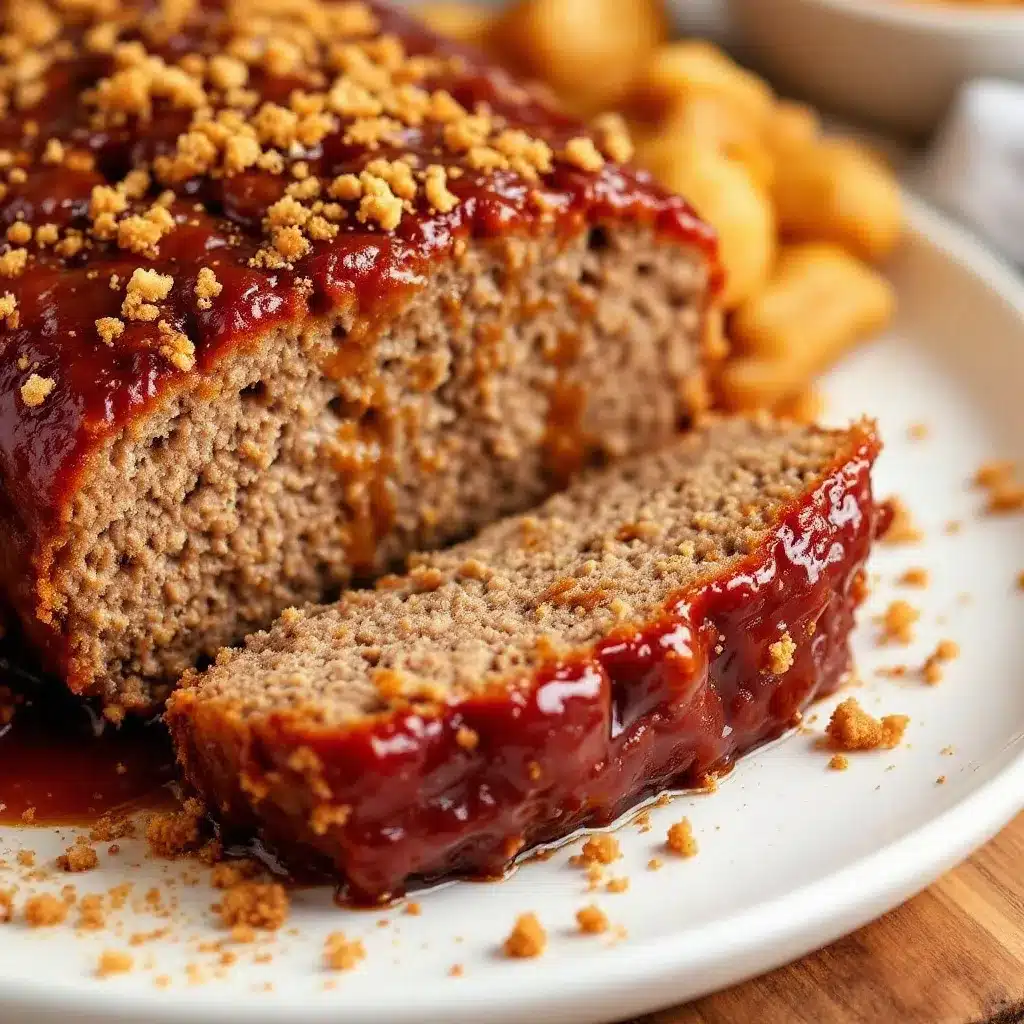
The real game-changer was the glaze. That sweet, tangy, almost-caramelized topping that seeps into the cracks as it bakes? That’s the part people remember. I tried a dozen versions before landing on this one: brown sugar, a splash of vinegar, a little mustard. It’s simple, but it does something to the meatloaf that feels almost magical. It creates a crust that’s a little sticky, a little crunchy, and completely unforgettable.
This isn’t a fancy recipe. It’s not trying to be. It’s just the one that disappeared first at the potluck, the one my friend texted me about at 10 PM asking for the exact measurements, the one that makes people close their eyes when they take a bite. That’s the kind of cooking I love most—the kind that earns a quiet little moment of appreciation at the dinner table.
Why You’ll Love This Recipe
Let me tell you why this particular meatloaf has earned a permanent spot in my kitchen. I’ve tested this more times than I care to admit, and every single time, it delivers. Here is what makes it stand out:
- Incredibly Moist : No dry, crumbly meatloaf here. The combination of breadcrumbs soaked in milk and the right fat content in the meat keeps every slice tender and juicy. I learned this trick after a particularly sad, dry loaf early on—never again.
- That Brown Sugar Glaze : This is not an afterthought. The glaze is the star. It bakes into a sweet, tangy, slightly sticky crust that contrasts perfectly with the savory meat. People literally scrape the pan for the extra glaze.
- Simple Pantry Ingredients : You probably have almost everything you need already. Ground beef, breadcrumbs, an egg, ketchup, brown sugar—these are not exotic finds. This is weeknight-friendly comfort food at its best.
- Family-Approved : I have served this to picky eaters, meatloaf skeptics, and my mother-in-law who has a very specific idea of what meatloaf should be. It won every single time. Kids love the sweet glaze, adults love the savory depth.
- Perfect for Leftovers : Cold meatloaf sandwiches the next day? Yes, please. This recipe tastes even better after a night in the fridge as the flavors meld together. It is a gift that keeps on giving.
- Foolproof Method : I have streamlined the process so there is no guesswork. No overmixing, no falling apart, no guessing when it’s done. Just a perfectly shaped loaf with a gorgeous, glossy finish every time.
This isn’t just another meatloaf recipe. It is the one you will come back to again and again, the one that makes you feel like a hero on a busy Tuesday night. It is comfort food that works hard for you, and honestly, that is the best kind.
What Ingredients You Will Need
This recipe uses simple, honest ingredients that work together to create something truly special. You do not need anything fancy—just good quality staples that you likely already have in your pantry and fridge. Let me walk you through each one and why it matters.
For the Meatloaf
- Ground Beef (2 lbs / 900g) : I recommend using 80/20 ground beef for the best balance of flavor and moisture. The fat content keeps the meatloaf from drying out during baking. Leaner blends like 90/10 can work, but you risk a drier result. If you go leaner, consider adding an extra tablespoon of milk or a splash of Worcestershire sauce for moisture.
- Breadcrumbs (1 cup / 120g) : Plain or Italian-style breadcrumbs both work beautifully. They act as a binder, soaking up the liquid and keeping the meat tender. I have used panko in a pinch and it works fine, but traditional breadcrumbs give a slightly more cohesive texture. For a gluten-free option, use certified gluten-free breadcrumbs or crushed pork rinds.
- Milk (1/2 cup / 120ml) : This is the secret to a tender meatloaf. The milk soaks into the breadcrumbs, creating a panade that keeps the meat moist as it bakes. Whole milk works best, but 2% or even unsweetened almond milk will do in a pinch. Do not skip this step—it makes a real difference.
- Large Egg (1) : The egg acts as a binder, holding everything together so your meatloaf does not crumble when sliced. If you need an egg substitute, use 1/4 cup of unsweetened applesauce or a flax egg (1 tablespoon ground flaxseed mixed with 3 tablespoons water, let sit for 5 minutes).
- Yellow Onion (1 medium, finely diced, about 1 cup) : Onion adds moisture and savory depth. I prefer yellow onion for its balanced flavor, but white or sweet onion work too. Sautéing the onion before adding it to the mix is optional but recommended—it mellows the sharpness and adds a subtle sweetness. I usually sauté mine in a little butter for about 5 minutes.
- Garlic (3 cloves, minced) : Garlic is non-negotiable in my kitchen. It adds that warm, aromatic backbone that makes the meatloaf taste deeply savory. Fresh garlic is best, but 1 teaspoon of garlic powder works in a pinch.
- Ketchup (1/3 cup / 80ml) : Ketchup adds tang, sweetness, and color to the meatloaf mixture. It also helps create that beautiful caramelized crust. I use a standard brand like Heinz, but any tomato-based ketchup works. For a cleaner option, look for one without high-fructose corn syrup.
- Worcestershire Sauce (1 tablespoon) : This is the umami bomb. Worcestershire sauce adds a deep, savory, slightly tangy flavor that elevates the entire dish. Do not skip it—it is one of those small ingredients that makes a big difference. If you do not have it, a splash of soy sauce or balsamic vinegar can work as a substitute.
- Salt (1 teaspoon) : Salt is essential for bringing out all the flavors. I use fine sea salt. If you use kosher salt, you may need a bit more.
- Black Pepper (1/2 teaspoon) : Freshly ground black pepper adds a gentle warmth. Pre-ground works fine, but fresh is always better.
- Dried Thyme (1 teaspoon) : Thyme adds an earthy, slightly floral note that pairs beautifully with beef. It is subtle but noticeable. You can substitute with dried oregano or rosemary if you prefer.
For the Brown Sugar Glaze
- Brown Sugar (1/2 cup / 100g, packed) : This is the heart of the glaze. Brown sugar adds deep, molasses-like sweetness that caramelizes beautifully in the oven. Light or dark brown sugar both work—dark will give a richer, more intense flavor. I prefer dark brown sugar for that extra depth.
- Ketchup (1/2 cup / 120ml) : Ketchup provides the tangy base that balances the sweetness of the brown sugar. It also helps the glaze thicken and stick to the meatloaf as it bakes.
- Apple Cider Vinegar (1 tablespoon) : A splash of vinegar cuts through the sweetness and adds a bright, tangy note. It prevents the glaze from being cloying. White vinegar or lemon juice work as substitutes.
- Dijon Mustard (1 teaspoon) : Mustard adds a subtle heat and complexity. It is not overpowering—it just makes the glaze taste more interesting. Yellow mustard works too, but Dijon is smoother.
- Garlic Powder (1/2 teaspoon) : A little garlic powder in the glaze adds savory depth that complements the sweet and tangy elements. It is a small touch, but it rounds everything out.
I personally recommend using a good quality ketchup and dark brown sugar for the best glaze. The combination of these simple ingredients creates a topping that is glossy, sticky, and absolutely irresistible.
Equipment Needed
You do not need a professional kitchen to make this meatloaf. Most of these tools you probably already have. Here is what you will need:
- Large Mixing Bowl : You need a big bowl to mix everything together without making a mess. A standard 4-quart bowl works perfectly.
- 9×5 Inch Loaf Pan : This is the classic shape for meatloaf. A metal or glass loaf pan works fine. If you use a glass pan, reduce the oven temperature by 25 degrees to prevent over-browning. I personally prefer a metal pan for better heat conduction.
- Parchment Paper : Lining your loaf pan with parchment paper makes cleanup effortless. It also helps lift the meatloaf out cleanly for slicing. Do not skip this—trust me.
- Small Skillet : For sautéing the onion and garlic. A non-stick or stainless steel pan works well.
- Mixing Spatula or Wooden Spoon : For combining the ingredients. Your hands work best for mixing meatloaf, but a spatula is great for the initial combining.
- Small Bowl : For whisking together the glaze ingredients.
- Pastry Brush or Spoon : For applying the glaze. A brush gives a more even coat, but a spoon works just fine.
- Meat Thermometer : This is the most important tool for ensuring your meatloaf is cooked perfectly. An instant-read thermometer takes the guesswork out of it. I use a digital one and it has saved me from countless overcooked dinners.
- Cooling Rack : Placing the loaf pan on a cooling rack allows air to circulate, helping the meatloaf cool evenly. Not essential, but helpful.
If you do not have a loaf pan, you can shape the meatloaf by hand on a parchment-lined baking sheet. It will be more freeform, but it bakes just as well. A budget-friendly option is to use a disposable aluminum loaf pan—they are cheap and easy to clean.
Preparation Method
Let me walk you through this step by step. I have made this recipe countless times, and these are the exact steps I follow for perfect results every time.
- Preheat your oven to 350°F (175°C) . Line a 9×5 inch loaf pan with parchment paper, leaving some overhang on the sides. This will make lifting the meatloaf out later so much easier. Set the pan aside.
- Prepare the panade . In a large mixing bowl, combine 1 cup of breadcrumbs with 1/2 cup of milk. Stir and let it sit for 5 minutes. The breadcrumbs will absorb the milk and create a soft, paste-like mixture. This is your panade, and it is the secret to a moist meatloaf. Do not rush this step—let it sit the full 5 minutes.
- Sauté the aromatics . While the panade rests, heat a small skillet over medium heat. Add a drizzle of olive oil or a pat of butter. Add the finely diced onion and cook for about 5 minutes, until softened and translucent. Add the minced garlic and cook for another 30 seconds, until fragrant. Remove from heat and let it cool slightly. Sautéing the onion mellows its sharpness and adds a subtle sweetness that makes the meatloaf taste more complex.
- Mix the meatloaf . To the bowl with the panade, add the ground beef, sautéed onion and garlic, 1/3 cup ketchup, 1 tablespoon Worcestershire sauce, 1 egg, 1 teaspoon salt, 1/2 teaspoon black pepper, and 1 teaspoon dried thyme. Use your hands to gently mix everything together. Do not overmix—overworking the meat can make the meatloaf tough. Just mix until everything is evenly combined. You want to see no streaks of breadcrumb or egg, but do not keep squeezing and kneading.
- Shape the meatloaf . Transfer the mixture to the prepared loaf pan. Gently press it into an even shape, making sure there are no air pockets. Do not pack it down too firmly—just enough to create a uniform loaf. Smooth the top with your hands or a spatula.
- Make the glaze . In a small bowl, whisk together 1/2 cup packed brown sugar, 1/2 cup ketchup, 1 tablespoon apple cider vinegar, 1 teaspoon Dijon mustard, and 1/2 teaspoon garlic powder. Whisk until smooth and well combined. The glaze should be thick but pourable.
- Apply the first layer of glaze . Spoon about half of the glaze over the top of the meatloaf. Use a pastry brush or the back of a spoon to spread it evenly, letting it drip down the sides a little. Reserve the remaining glaze for later.
- Bake the meatloaf . Place the loaf pan on a baking sheet (to catch any drips) and bake for 45 minutes. The glaze will start to caramelize and the edges will begin to brown. The kitchen will smell incredible at this point.
- Apply the second layer of glaze . After 45 minutes, carefully remove the meatloaf from the oven. Spoon the remaining glaze over the top and spread it evenly. Return the meatloaf to the oven and bake for another 15 to 20 minutes. The glaze will become sticky, glossy, and deeply caramelized.
- Check for doneness . The meatloaf is done when it reaches an internal temperature of 160°F (71°C) when measured with a meat thermometer inserted into the center. This is the most reliable way to know it is cooked through without being overdone. If you do not have a thermometer, you can check by cutting into the center—the juices should run clear and there should be no pinkness.
- Rest the meatloaf . This is a crucial step that many people skip. Let the meatloaf rest in the pan for 10 to 15 minutes before slicing. Resting allows the juices to redistribute throughout the meat, making every slice moist and tender. If you cut into it immediately, the juices will run out and you will end up with a drier meatloaf. I know it is hard to wait, but trust me—it is worth it.
- Slice and serve . Use the parchment paper overhang to lift the meatloaf out of the pan. Transfer it to a cutting board. Slice into thick, even slices—about 1 inch thick. Spoon any extra glaze from the pan over the slices before serving.
A quick tip from experience: if the top of the meatloaf is browning too quickly during baking, tent a piece of aluminum foil loosely over the top. This will prevent the glaze from burning while the inside continues to cook.
Cooking Tips & Techniques
Over the years, I have learned a few things about making meatloaf that I wish someone had told me sooner. Here are my best tips for success:
- Do not overmix . This is the number one mistake people make. Overmixing the meat develops the proteins too much, resulting in a dense, tough meatloaf. Mix just until everything is combined. Your hands are the best tool for this—you can feel when it is ready.
- Use a meat thermometer . I cannot stress this enough. Meatloaf is thick and takes time to cook through. Guessing doneness by color or time alone is risky. A meat thermometer takes the guesswork out and ensures a perfectly cooked loaf every time. I use a digital instant-read thermometer and it has never let me down.
- Let it rest . I mentioned this in the method, but it bears repeating. Resting the meatloaf for 10-15 minutes after baking is essential. It allows the juices to settle so every slice is moist. Cutting too early is the fastest way to a dry meatloaf.
- Line your pan . Parchment paper is your best friend here. It makes cleanup a breeze and prevents the meatloaf from sticking to the pan. No more scrubbing burnt glaze off the sides of your loaf pan.
- Use a loaf pan with a rack . If you have a loaf pan that comes with a removable rack, use it. It allows fat to drip away from the meatloaf during baking, resulting in a less greasy final product. If you do not have one, placing the loaf pan on a baking sheet works fine.
- Do not skip the panade . The mixture of breadcrumbs and milk is what keeps the meatloaf tender. It is a classic technique used by chefs for a reason. Do not be tempted to skip it or substitute with dry breadcrumbs alone—the moisture from the milk is key.
- Make it ahead . You can assemble the meatloaf up to 24 hours in advance. Just shape it in the pan, cover it with plastic wrap, and refrigerate. When you are ready to bake, let it sit at room temperature for 30 minutes before adding the glaze and baking. This actually helps the flavors meld together even more.
- Double the recipe . Meatloaf freezes beautifully. I often make two loaves at once—one for dinner and one for the freezer. Just bake both, let them cool completely, wrap tightly in plastic wrap and foil, and freeze for up to 3 months.
I once forgot to add the egg to a batch of meatloaf. It was a disaster—it crumbled into pieces when I tried to slice it. Learn from my mistake: always double-check your ingredients before mixing.
Variations & Adaptations
This recipe is wonderfully versatile. Here are some of my favorite ways to change it up, depending on what I have on hand or who I am cooking for:
- Cheese-Stuffed Meatloaf : For a gooey, indulgent twist, press half of the meat mixture into the pan, create a shallow well down the center, and fill it with shredded cheddar or mozzarella cheese. Top with the remaining meat mixture, sealing the edges. The cheese melts into the center as it bakes, creating a beautiful surprise when you slice into it. This is a huge hit with kids and adults alike. If you love this idea, you might also enjoy this brown gravy stuffed meatloaf with cheddar and onions for an even more decadent version.
- Turkey Meatloaf : For a lighter option, substitute ground turkey for the ground beef. Turkey is leaner, so you will need to add a bit more moisture. Increase the milk to 2/3 cup and add an extra tablespoon of olive oil. Also, consider adding a grated carrot or zucchini for extra moisture and nutrients. The cooking time may be slightly shorter—check for doneness at 155°F (68°C) for turkey.
- Spicy Chipotle Glaze : If you like a little heat, add 1 to 2 minced chipotle peppers in adobo sauce to the glaze. The smoky, spicy flavor pairs beautifully with the sweet brown sugar. This is a great option for game day or when you want a bolder flavor profile.
- BBQ Meatloaf : Swap the ketchup in the glaze for your favorite barbecue sauce. Use a smoky or sweet BBQ sauce for a completely different flavor profile. This version is perfect for summer cookouts or when you are craving that smoky, tangy taste.
- Gluten-Free Version : Use gluten-free breadcrumbs or crushed gluten-free crackers in place of regular breadcrumbs. Certified gluten-free oats also work well. Make sure your Worcestershire sauce is gluten-free (most brands are, but check the label).
- Add Vegetables : Finely grated carrots, zucchini, or bell peppers can be added to the meat mixture for extra moisture and nutrients. Squeeze out any excess liquid from grated vegetables before adding them to prevent the meatloaf from becoming too wet. I love adding a grated carrot for a subtle sweetness.
- Italian-Style Meatloaf : Add 1/2 cup of grated Parmesan cheese, 1/4 cup of chopped fresh parsley, and 1 teaspoon of dried oregano to the meat mixture. Use marinara sauce instead of ketchup in the glaze for an Italian-inspired twist. Serve with pasta for a complete meal.
I have personally tried the cheese-stuffed version more times than I can count. It is my go-to when I want to impress guests or just treat myself on a cozy weekend. The melted cheese combined with the sweet glaze is pure comfort.
Serving & Storage Suggestions
Meatloaf is a forgiving dish that shines in many settings. Here is how to serve and store it for the best experience:
- Serving Temperature : Serve the meatloaf warm, right after the resting period. The glaze is at its stickiest and most flavorful when fresh. Leftovers are delicious cold or reheated.
- Classic Pairings : Meatloaf is the ultimate comfort food, so pair it with classic sides. Mashed potatoes are a no-brainer—the creamy texture is perfect for soaking up any extra glaze. Buttery mashed potatoes are a personal favorite. Roasted green beans, steamed broccoli, or a simple side salad also work beautifully. For a heartier meal, serve with roasted carrots or a baked potato.
- For Sandwiches : Cold meatloaf sandwiches are a gift. Slice the leftover meatloaf thickly and layer it on toasted bread with a smear of mayonnaise or mustard, some lettuce, and a slice of tomato. The sweet glaze adds an unexpected but wonderful flavor to the sandwich. I often look forward to the leftovers more than the initial dinner.
- Refrigerator Storage : Store leftover meatloaf in an airtight container in the refrigerator for up to 4 days. Keep it whole or slice it—both work. The flavors actually deepen and meld together overnight, making leftovers even more delicious.
- Freezer Storage : Meatloaf freezes beautifully. Let it cool completely, then wrap it tightly in plastic wrap, followed by a layer of aluminum foil. Freeze for up to 3 months. To thaw, transfer it to the refrigerator overnight. Reheat in a 350°F (175°C) oven until warmed through, about 20 minutes for slices or 45 minutes for a whole loaf.
- Reheating Tips : The best way to reheat meatloaf is in the oven. Place slices on a baking sheet and warm at 350°F (175°C) for about 10 minutes. This helps restore the glaze’s sticky texture. You can also reheat in the microwave, but the glaze will be less crispy. For a quick fix, I sometimes pan-fry slices in a little butter—it creates a delicious crispy edge.
One of my favorite things about this recipe is how the glaze thickens and becomes almost jam-like after a day in the fridge. It is a wonderful surprise when you pull out leftovers for lunch.
Nutritional Information & Benefits
While meatloaf is not typically thought of as a health food, this version uses wholesome ingredients that offer some nutritional benefits. Here is a rough estimate per serving (based on 8 servings):
- Calories : Approximately 450-500 calories per serving
- Protein : 30-35g
- Fat : 25-30g
- Carbohydrates : 25-30g
- Fiber : 1-2g
- Sugar : 18-22g (mostly from the glaze)
Health Benefits : Ground beef is an excellent source of high-quality protein, iron, and B vitamins, including B12, which is essential for energy and nerve function. Onions and garlic provide antioxidants and anti-inflammatory compounds. While the glaze adds sugar, it also contains tomatoes, which are rich in lycopene, an antioxidant linked to heart health.
Dietary Considerations : This recipe is naturally high in protein and can be adapted for gluten-free diets. It is not suitable for vegetarian or vegan diets. To reduce the sugar content, you can cut the brown sugar in the glaze to 1/4 cup, though the glaze will be less sticky and caramelized. For a lower-fat option, use ground turkey or lean ground beef (90/10) and drain any excess fat after baking.
Potential Allergens : This recipe contains gluten (from breadcrumbs), dairy (from milk), and eggs. For allergen-free versions, see the variations section above.
I personally love that this recipe feels indulgent but is made with real, recognizable ingredients. It is the kind of meal that fills you up and leaves you satisfied without relying on processed foods.
Conclusion
This classic meatloaf with brown sugar glaze is more than just a recipe—it is a reliable friend in the kitchen. It is the dish you turn to when you need something comforting, something that feels like home, something that makes everyone at the table happy. The sweet, sticky glaze and the tender, savory meat create a combination that is hard to beat.
I encourage you to make this recipe your own. Adjust the glaze to your taste, try the cheese-stuffed version, or serve it with your favorite sides. Cooking is about experimenting and finding what works for you and your family. This recipe is a fantastic starting point.
Honestly, this meatloaf has become a staple in my home for a reason. It is forgiving, delicious, and always delivers. I hope it becomes a staple in yours too. When you make it, I would love to hear how it turned out. Did you try a variation? Did your family love it? Drop a comment below and let me know—I read every single one. And if you share a photo on social media, tag me so I can see your beautiful creation. Happy cooking!
Frequently Asked Questions
Can I make this meatloaf without a loaf pan?
Absolutely. If you do not have a loaf pan, you can shape the meat mixture into a freeform loaf on a parchment-lined baking sheet. It will spread a little more, but it bakes just as well. Just make sure to shape it into a uniform log about the same size as a loaf pan. The baking time should be roughly the same, but check with a meat thermometer to be sure.
Why is my meatloaf falling apart?
Meatloaf typically falls apart for a few reasons: not enough binder (breadcrumbs and egg), too much liquid, or cutting it too soon after baking. Make sure you use the full cup of breadcrumbs and one egg. Also, let the meatloaf rest for 10-15 minutes after baking—this allows the proteins to set and hold the loaf together. If you are using a very lean meat, you may need to add an extra egg or a tablespoon of milk for more moisture.
Can I use ground pork or a meat blend?
Yes, and I actually recommend it for extra flavor and moisture. A blend of ground beef and ground pork (about 50/50) creates a richer, more tender meatloaf. You can also use ground veal or ground lamb for different flavor profiles. Just make sure the total weight is about 2 pounds. If you use a higher-fat blend, you may want to drain some of the fat from the pan after baking.
How do I know when the meatloaf is done without a thermometer?
While a meat thermometer is the most reliable method, you can check doneness by cutting into the center of the meatloaf. The juices should run clear, and there should be no pinkness in the meat. The internal temperature should be 160°F (71°C). Another visual clue: the meatloaf will pull away from the sides of the pan slightly when it is done. However, I strongly recommend investing in an instant-read thermometer—it takes the guesswork out and prevents overcooking.
Can I prepare the meatloaf ahead of time and bake it later?
Yes, this is a great make-ahead dish. You can assemble the meatloaf in the pan, cover it tightly with plastic wrap, and refrigerate for up to 24 hours before baking. When you are ready to bake, let it sit at room temperature for 30 minutes to take the chill off. Then add the glaze and bake as directed. You may need to add 5-10 minutes to the baking time since the meatloaf starts cold. This is a fantastic option for busy weeknights or when you are hosting a dinner party.
Pin This Recipe!
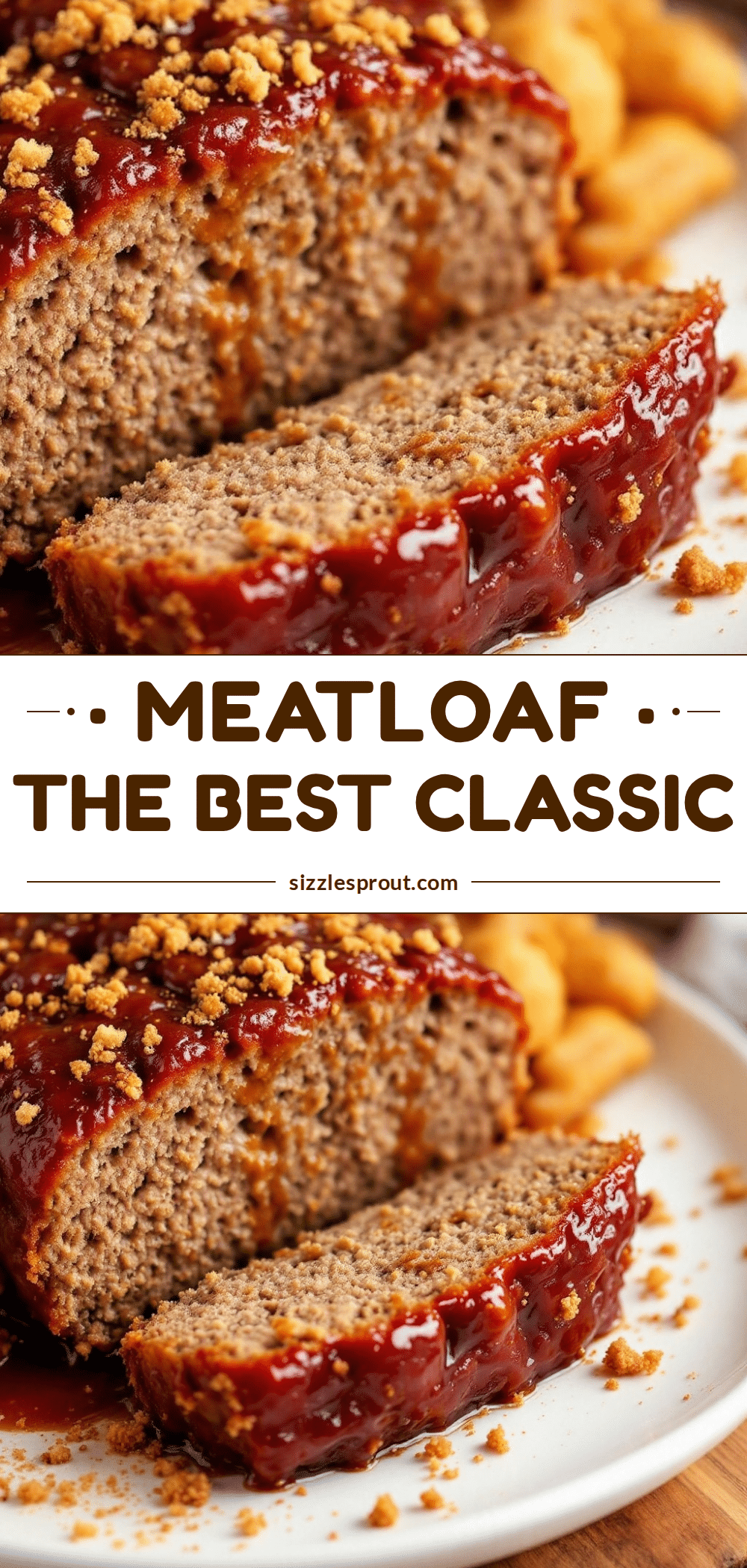
Best Classic Meatloaf with Brown Sugar Glaze – Easy Recipe
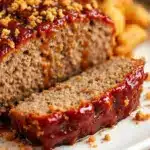
This classic meatloaf is incredibly moist and topped with a sweet, tangy brown sugar glaze that caramelizes beautifully in the oven. It’s a family-approved comfort food that’s perfect for busy weeknights and makes amazing leftovers.
- Prep Time: 20 minutes
- Cook Time: 60 minutes
- Total Time: 1 hour 20 minutes
- Yield: 8 servings 1x
- Category: Main Course
- Cuisine: American
Ingredients
- 2 lbs (900g) ground beef (80/20)
- 1 cup (120g) breadcrumbs (plain or Italian-style)
- 1/2 cup (120ml) milk (whole milk preferred)
- 1 large egg
- 1 medium yellow onion, finely diced (about 1 cup)
- 3 cloves garlic, minced
- 1/3 cup (80ml) ketchup
- 1 tablespoon Worcestershire sauce
- 1 teaspoon salt (fine sea salt)
- 1/2 teaspoon black pepper (freshly ground)
- 1 teaspoon dried thyme
- 1/2 cup (100g) packed brown sugar (light or dark)
- 1/2 cup (120ml) ketchup
- 1 tablespoon apple cider vinegar
- 1 teaspoon Dijon mustard
- 1/2 teaspoon garlic powder
Instructions
- Preheat your oven to 350°F (175°C). Line a 9×5 inch loaf pan with parchment paper, leaving some overhang on the sides. Set aside.
- Prepare the panade: In a large mixing bowl, combine 1 cup of breadcrumbs with 1/2 cup of milk. Stir and let it sit for 5 minutes until the breadcrumbs absorb the milk and form a soft paste.
- Sauté the aromatics: While the panade rests, heat a small skillet over medium heat with a drizzle of olive oil or a pat of butter. Add the finely diced onion and cook for about 5 minutes until softened and translucent. Add the minced garlic and cook for another 30 seconds until fragrant. Remove from heat and let cool slightly.
- Mix the meatloaf: To the bowl with the panade, add the ground beef, sautéed onion and garlic, 1/3 cup ketchup, 1 tablespoon Worcestershire sauce, 1 egg, 1 teaspoon salt, 1/2 teaspoon black pepper, and 1 teaspoon dried thyme. Use your hands to gently mix everything together until just combined. Do not overmix.
- Shape the meatloaf: Transfer the mixture to the prepared loaf pan. Gently press it into an even shape, making sure there are no air pockets. Do not pack it down too firmly. Smooth the top with your hands or a spatula.
- Make the glaze: In a small bowl, whisk together 1/2 cup packed brown sugar, 1/2 cup ketchup, 1 tablespoon apple cider vinegar, 1 teaspoon Dijon mustard, and 1/2 teaspoon garlic powder until smooth and well combined.
- Apply the first layer of glaze: Spoon about half of the glaze over the top of the meatloaf. Use a pastry brush or the back of a spoon to spread it evenly, letting it drip down the sides a little. Reserve the remaining glaze.
- Bake the meatloaf: Place the loaf pan on a baking sheet and bake for 45 minutes.
- Apply the second layer of glaze: After 45 minutes, carefully remove the meatloaf from the oven. Spoon the remaining glaze over the top and spread it evenly. Return to the oven and bake for another 15 to 20 minutes.
- Check for doneness: The meatloaf is done when it reaches an internal temperature of 160°F (71°C) when measured with a meat thermometer inserted into the center.
- Rest the meatloaf: Let the meatloaf rest in the pan for 10 to 15 minutes before slicing. This allows the juices to redistribute.
- Slice and serve: Use the parchment paper overhang to lift the meatloaf out of the pan. Transfer to a cutting board and slice into thick, even slices (about 1 inch thick). Spoon any extra glaze from the pan over the slices before serving.
Notes
Do not overmix the meatloaf mixture to keep it tender. Use a meat thermometer for perfect doneness. Let the meatloaf rest for 10-15 minutes before slicing to keep it moist. If the top browns too quickly, tent loosely with aluminum foil. The meatloaf can be assembled up to 24 hours in advance and refrigerated. Leftovers can be stored in the refrigerator for up to 4 days or frozen for up to 3 months.
Nutrition
- Serving Size: 1 slice (1/8 of loaf
- Calories: 475
- Sugar: 20
- Sodium: 780
- Fat: 28
- Saturated Fat: 10
- Carbohydrates: 28
- Fiber: 1
- Protein: 32
Keywords: meatloaf, brown sugar glaze, classic meatloaf, comfort food, ground beef recipe, easy dinner, family dinner