Love this? Save it for later!
Share the inspiration with your friends
My neighbor knocked on my door at 4:30 PM on a Tuesday, holding a bottle of fresh apple cider and looking panicked. Her in-laws had just shown up early for dinner, and she was short one main dish. I had three pork chops in the fridge, a half-empty bottle of cider of my own, and honestly, no plan. What came together in that chaotic thirty-minute window turned into something I still make on purpose, not just out of desperation.
The pork chops came out so tender they practically fell apart, with this sticky, sweet-tart glaze that smelled like autumn in a pan. The apples softened into buttery pockets of flavor, and the whole thing worked in one skillet. No fancy techniques, no special equipment—just good ingredients doing what they do. It was one of those accidental successes that makes you wonder why you ever follow a recipe to the letter.
That night, my neighbor texted me asking for the recipe before I even finished washing the dishes. I typed it out on my phone with soapy hands, and she made it twice that same week. That’s when I knew this Easy Apple Cider Braised Pork Chops recipe was something worth sharing. It’s the kind of dinner that makes you look like you planned ahead, even when you absolutely didn’t. And honestly, isn’t that the best kind of cooking?
Why You’ll Love This Recipe
This one-pan pork chop recipe has earned a permanent spot in my weekly rotation, and here’s why it will in yours too.
- One Pan, Minimal Mess: Everything cooks in a single skillet, which means less scrubbing and more relaxing. The apples and onions caramelize right alongside the pork, soaking up all those savory-sweet juices.
- Fall-Apart Tender Meat: Braising in apple cider keeps pork chops incredibly moist and fork-tender, even if you accidentally overcook them by a few minutes. No more dry, rubbery pork chops.
- Simple Pantry Ingredients: You likely have most of these items already. Fresh apple cider is the star, but everything else is pretty standard kitchen fare.
- Perfect for Weeknights or Company: This dish looks impressive enough for guests but comes together quickly enough for a busy Tuesday. The aroma alone will make everyone think you slaved away for hours.
- Bursting with Fall Flavor: The combination of apple cider, fresh thyme, and Dijon mustard creates a cozy, comforting flavor profile that screams autumn. It’s like sweater weather on a plate.
- Naturally Gluten-Free: No flour or wheat-based thickeners needed, making this recipe accessible for those avoiding gluten.
What sets this recipe apart from other pork chop dishes is the braising technique. Instead of searing then finishing in the oven, you simmer everything gently on the stovetop. This method allows the cider to reduce into a syrupy glaze while keeping the meat incredibly juicy. I’ve tested this with thick-cut, boneless, and even thin-cut chops, and each time, the results were consistently delicious. It’s not just another pork chop recipe—it’s the one you’ll keep coming back to.
What Ingredients You Will Need
This recipe relies on simple, wholesome ingredients that work together to create layers of flavor. The apple cider provides natural sweetness and acidity, while the aromatics add depth and warmth. Here’s everything you’ll need:
- Pork Chops (4 pieces, about 1-inch thick): Bone-in or boneless both work, but bone-in chops tend to stay juicier during braising. Look for chops with good marbling for the best texture.
- Fresh Apple Cider (1 ½ cups): Not apple juice—cider is unfiltered and has a richer, more complex flavor. I prefer local orchard cider when it’s in season, but store-bought works perfectly too.
- Yellow Onion (1 large, thinly sliced): The onions melt into the braising liquid, adding sweetness and body to the sauce.
- Apple (1 large, preferably Honeycrisp or Fuji): You want an apple that holds its shape during cooking. Softer varieties like McIntosh might turn to mush.
- Chicken Broth (½ cup): Low-sodium is best so you can control the salt level. Vegetable broth works as a substitute.
- Dijon Mustard (2 tablespoons): Adds a tangy kick that balances the sweetness of the cider. Whole grain mustard is a nice alternative for texture.
- Fresh Thyme (4-5 sprigs): Earthy and slightly floral, thyme complements pork and apples beautifully. Dried thyme works in a pinch—use 1 teaspoon.
- Garlic (3 cloves, minced): Because everything is better with garlic. Fresh is non-negotiable here.
- Unsalted Butter (2 tablespoons): Adds richness and helps create a silky sauce. You can substitute olive oil for a dairy-free version.
- Salt and Black Pepper (to taste): Simple seasonings that let the other flavors shine.
- Optional Garnish: Fresh Parsley or Chives: A sprinkle of green adds color and freshness right before serving.
For best results, I recommend using pork chops that are at least 1-inch thick. Thinner chops cook too quickly and may become tough during braising. If you only have thin-cut chops, reduce the simmering time to about 15-20 minutes. Also, don’t skip the Dijon mustard—it might seem like a small addition, but it really brightens the whole dish.
Equipment Needed
One of the best things about this recipe is how little equipment it requires. You probably already have everything you need.
- Large, Heavy-Bottomed Skillet or Dutch Oven: A 12-inch skillet with a lid is ideal. Cast iron works beautifully because it retains heat evenly, but a stainless steel or non-stick pan will also do the job.
- Sharp Chef’s Knife: For slicing onions and apples. A dull knife makes prep frustrating and uneven.
- Cutting Board: Any sturdy board will work. I prefer wood because it’s gentler on knife blades.
- Tongs: Essential for flipping the pork chops without piercing the meat and losing juices.
- Measuring Cups and Spoons: For accurate liquid and spice measurements.
- Wooden Spoon or Silicone Spatula: For stirring the sauce and scraping up browned bits from the pan.
- Lid or Foil: To cover the skillet during braising. If your skillet doesn’t have a lid, a tight layer of aluminum foil works fine.
If you don’t have a Dutch oven, don’t worry. I’ve made this in a regular non-stick skillet with a glass lid, and it turned out perfectly. The key is having a pan that can go from stovetop to table if you want to serve directly from it. My cast iron skillet is my go-to for this recipe—it develops a beautiful fond that adds so much flavor to the sauce.
Preparation Method
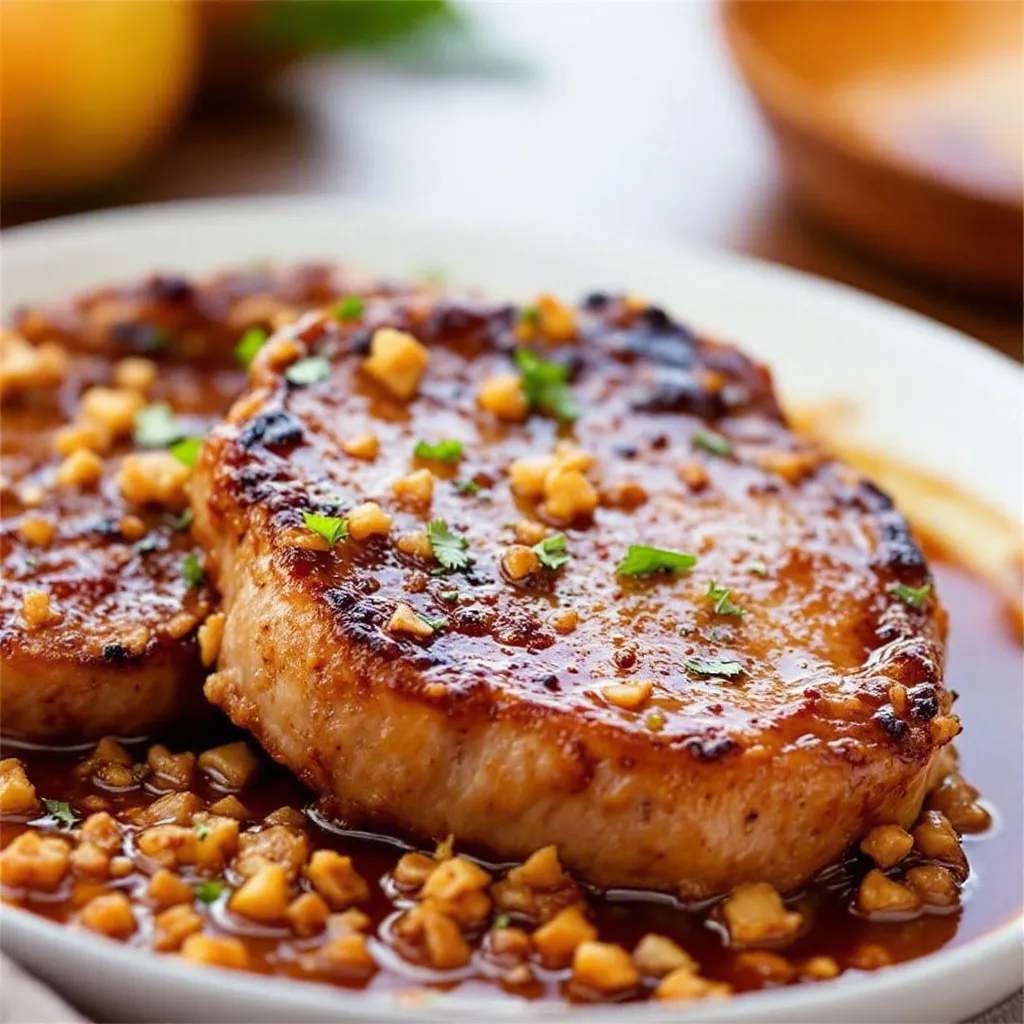
- Pat the pork chops dry with paper towels. This step is crucial for getting a good sear. Season both sides generously with salt and black pepper. Let them sit at room temperature for 10-15 minutes while you prep the other ingredients.
- Heat 1 tablespoon of butter in your large skillet over medium-high heat. Once the butter stops foaming and starts to brown slightly, carefully place the pork chops in the pan. Sear for 3-4 minutes per side, until deeply golden brown. Don’t crowd the pan—work in batches if necessary. Transfer the seared chops to a plate and set aside.
- Reduce the heat to medium and add the remaining 1 tablespoon of butter. Toss in the sliced onions and cook for 4-5 minutes, stirring occasionally, until they soften and start to caramelize. Scrape up any browned bits from the bottom of the pan—that’s pure flavor.
- Add the minced garlic and cook for 30 seconds until fragrant. Be careful not to burn it. Then pour in the apple cider and chicken broth, using your wooden spoon to deglaze the pan completely.
- Stir in the Dijon mustard and add the fresh thyme sprigs. Bring the liquid to a gentle simmer. Taste the sauce and adjust seasoning with more salt and pepper if needed.
- Nestle the pork chops back into the skillet, along with any juices that accumulated on the plate. Add the sliced apple, pushing it down into the liquid. The apples should be partially submerged.
- Cover the skillet with a lid and reduce the heat to low. Let everything braise gently for 25-30 minutes. The liquid should be at a low simmer, not a rolling boil. You want the pork to cook slowly and absorb all that apple cider goodness.
- Check for doneness after 25 minutes. The pork should be tender and reach an internal temperature of 145°F. If the sauce is still thin, remove the lid and let it simmer uncovered for 5 more minutes to thicken.
- Remove the thyme sprigs (the leaves will have fallen off, which is fine). Taste the sauce one more time and adjust seasonings. The sauce should be slightly syrupy and cling to the back of a spoon.
- Let the pork chops rest in the pan for 5 minutes before serving. This allows the juices to redistribute throughout the meat. Serve the pork chops with the braised apples and onions spooned over the top.
A few things to watch for: If the sauce reduces too much before the pork is done, add a splash of broth or water to keep things moist. Conversely, if the pork is tender but the sauce is watery, remove the chops and let the sauce simmer uncovered until it reaches your desired consistency. The apples should be tender but still hold their shape—if they’re falling apart, you’ve cooked them a bit too long, but they’ll still taste wonderful.
Cooking Tips & Techniques
I’ve made this recipe more times than I can count, and I’ve learned a few things the hard way. Here are my best tips for perfect results every time.
Don’t skip the sear. That golden-brown crust isn’t just for looks—it adds deep, savory flavor through the Maillard reaction. If you rush this step, you’ll miss out on a whole layer of taste. Make sure your pan is hot enough before adding the pork. A drop of water should sizzle and evaporate immediately.
Watch your heat during braising. The liquid should barely bubble, not boil aggressively. High heat will toughen the pork and break down the apples too quickly. Low and slow is the name of the game here. I once got distracted and let the pan boil—the pork was edible, but definitely not as tender as it should have been.
Use thick-cut chops for best results. Thin chops cook too fast and can become dry during the braising process. If all you have are thin chops, reduce the braising time to 15-20 minutes and check for doneness early. I’ve also used boneless pork loin chops with great success—just adjust cooking time accordingly.
Let the sauce be your guide. The sauce should coat the back of a spoon when it’s ready. If it’s too thin, remove the lid and simmer for a few extra minutes. If it’s too thick, add a splash of broth or cider. Trust your eyes and taste buds more than the timer.
Make it ahead if needed. This dish actually tastes even better the next day as the flavors meld together. Store it in the fridge and reheat gently on the stovetop or in the microwave. Add a splash of broth when reheating to loosen the sauce.
One mistake I won’t make again: I once used cheap apple juice instead of cider, thinking it wouldn’t matter. Big mistake. The sauce was watery and lacked that rich, concentrated apple flavor. Stick with real apple cider—it makes a noticeable difference.
Variations & Adaptations
This recipe is wonderfully flexible, and I’ve experimented with several variations over the years. Here are some of my favorites:
Herb Swap: Not a fan of thyme? Try fresh rosemary or sage instead. Rosemary pairs beautifully with apple and pork, while sage adds an earthy, slightly peppery note. Use about 2 sprigs of rosemary or 4-5 sage leaves.
Add Some Heat: If you like a little spice, add a pinch of red pepper flakes along with the garlic. The heat cuts through the sweetness of the cider and adds a nice kick. Start with ¼ teaspoon and adjust from there.
Dairy-Free Version: Substitute the butter with olive oil or a vegan butter alternative. The sauce will still be rich and flavorful, just slightly different in texture. I’ve made it this way for friends with dairy sensitivities, and nobody noticed the difference.
Slow Cooker Adaptation: Sear the pork chops and sauté the onions in a skillet first, then transfer everything to a slow cooker. Cook on low for 4-5 hours or on high for 2-3 hours. The apples will be very soft, almost jammy, which is actually quite lovely.
Instant Pot Version: Use the sauté function to sear the pork and cook the onions. Add all ingredients, close the lid, and cook on high pressure for 8 minutes. Quick-release the pressure and thicken the sauce with a cornstarch slurry if needed.
Fruit Variations: Swap the apple for a firm pear, like Bosc or Anjou. Pears add a slightly different sweetness and a delicate texture. You could also add a handful of dried cranberries or raisins along with the broth for extra bursts of sweetness.
Mustard Alternatives: If you’re out of Dijon, whole-grain mustard or even a spicy brown mustard works well. For a milder flavor, use a tablespoon of honey mustard instead. Each variation changes the sauce slightly, but they all taste great.
Serving & Storage Suggestions
These apple cider braised pork chops are hearty enough to stand alone, but they pair beautifully with a few simple sides. Here’s how I like to serve and store them.
Serving Suggestions: Spoon the braised apples and onions over the pork chops, and don’t forget to drizzle plenty of that syrupy sauce on top. I love serving this with creamy mashed potatoes or buttery mashed potatoes to soak up every drop of sauce. A side of roasted green beans or a simple arugula salad with lemon vinaigrette balances the richness nicely. For a heartier meal, serve over cooked egg noodles or creamy polenta.
Storage Instructions: Store leftover pork chops in an airtight container in the refrigerator for up to 4 days. The flavors actually deepen and meld together overnight, making leftovers even more delicious. I often make a double batch just for this reason.
Freezing: This dish freezes surprisingly well. Place cooled pork chops and sauce in a freezer-safe container, leaving a little headroom for expansion. Freeze for up to 3 months. Thaw overnight in the refrigerator before reheating.
Reheating Tips: Reheat gently on the stovetop over medium-low heat, adding a splash of broth or water to loosen the sauce. You can also reheat in the microwave in 30-second bursts, stirring in between. Avoid high heat, which can make the pork tough. The sauce will thicken as it cools, so don’t be alarmed if it seems jellied straight from the fridge—it will loosen up beautifully when warmed.
Make-Ahead Note: You can prepare this dish entirely up to 2 days in advance. The pork will be even more tender, and the sauce will have developed deeper flavor. Simply reheat before serving. This makes it a fantastic option for entertaining or busy holiday weeks.
Nutritional Information & Benefits
This recipe strikes a nice balance between comfort and nutrition. Here’s a rough estimate per serving (based on 4 servings):
| Nutrient | Amount Per Serving |
|---|---|
| Calories | 385 |
| Protein | 32g |
| Fat | 18g |
| Saturated Fat | 8g |
| Carbohydrates | 22g |
| Fiber | 3g |
| Sugar | 16g |
| Sodium | 520mg |
Pork chops are an excellent source of high-quality protein, B vitamins (especially B6 and B12), and minerals like zinc and selenium. The apples provide fiber and vitamin C, while the onions contribute antioxidants and prebiotics that support gut health. Apple cider contains polyphenols, which have anti-inflammatory properties.
This recipe is naturally gluten-free and can be made dairy-free with simple substitutions. For a lower-sodium version, use low-sodium broth and reduce added salt. If you’re watching your sugar intake, you can cut the apple cider by half and replace it with additional broth—though you’ll lose some of that signature apple flavor.
I personally love that this dish feels indulgent without being overly heavy. It’s the kind of meal that satisfies your comfort food cravings while still fitting into a balanced diet. Plus, the protein keeps you full and energized for hours.
Conclusion
This Easy Apple Cider Braised Pork Chops recipe is proof that simple ingredients and a little patience can create something truly special. It’s the kind of dish that fills your kitchen with the most incredible aroma and makes everyone gather around the table a little early. Whether you’re cooking for a busy weeknight or a cozy weekend dinner, this one-pan recipe delivers every single time.
I love how forgiving this recipe is—you can tweak the herbs, swap the apples, or adjust the cooking method, and it still turns out delicious. That’s the mark of a great recipe, if you ask me. It’s not rigid; it’s a foundation you can build on. And honestly, the leftovers are almost better than the first meal.
If you try this recipe, I’d love to hear how it goes. Drop a comment below and let me know what variations you tried or what sides you served it with. And if you’re looking for more cozy dinner ideas, check out this cozy white bean kale sausage soup or these crispy lemon garlic chicken thighs for another easy weeknight win. Happy cooking, friends!
Frequently Asked Questions
Can I use apple juice instead of apple cider?
You can, but the flavor won’t be as rich. Apple juice is thinner and less concentrated, so the sauce may be less flavorful. If you use apple juice, consider simmering it a little longer to reduce and concentrate the flavor.
How do I know when the pork chops are done?
The safest way is to use an instant-read thermometer. Pork chops are done when they reach an internal temperature of 145°F. They should also feel tender when pierced with a fork, and the meat should separate easily.
Can I make this recipe with chicken instead of pork?
Absolutely! Boneless, skinless chicken thighs work best because they stay moist during braising. Chicken breasts will work too, but reduce the cooking time to about 20 minutes to prevent drying out.
What’s the best apple to use for this recipe?
Firm, sweet-tart apples like Honeycrisp, Fuji, or Braeburn hold their shape well during cooking. Granny Smith apples are also great if you prefer a more tart flavor. Avoid soft varieties like McIntosh or Red Delicious, which can turn mushy.
Can I double this recipe for a crowd?
Yes, but you’ll need a larger pan or Dutch oven to avoid overcrowding. Sear the pork in batches to ensure each chop gets a good crust. You may also need to increase the braising time slightly if the pan is very full.
Pin This Recipe!

Easy Apple Cider Braised Pork Chops (One-Pan Pork Chop Recipe)

Tender pork chops braised in apple cider with apples and onions, all cooked in one skillet for a cozy, flavorful dinner that comes together in about 30 minutes.
- Prep Time: 15 minutes
- Cook Time: 30 minutes
- Total Time: 45 minutes
- Yield: 4 servings 1x
- Category: Main Course
- Cuisine: American
Ingredients
- 4 pork chops, about 1-inch thick
- 1 ½ cups fresh apple cider
- 1 large yellow onion, thinly sliced
- 1 large apple (Honeycrisp or Fuji), sliced
- ½ cup low-sodium chicken broth
- 2 tablespoons Dijon mustard
- 4–5 sprigs fresh thyme
- 3 cloves garlic, minced
- 2 tablespoons unsalted butter
- Salt and black pepper to taste
- Optional: fresh parsley or chives for garnish
Instructions
- Pat the pork chops dry with paper towels. Season both sides generously with salt and black pepper. Let them sit at room temperature for 10-15 minutes.
- Heat 1 tablespoon of butter in a large skillet over medium-high heat. Once the butter stops foaming and starts to brown, carefully place the pork chops in the pan. Sear for 3-4 minutes per side until deeply golden brown. Transfer to a plate and set aside.
- Reduce heat to medium and add the remaining 1 tablespoon of butter. Add the sliced onions and cook for 4-5 minutes, stirring occasionally, until softened and starting to caramelize. Scrape up any browned bits from the bottom of the pan.
- Add the minced garlic and cook for 30 seconds until fragrant. Pour in the apple cider and chicken broth, using a wooden spoon to deglaze the pan completely.
- Stir in the Dijon mustard and add the fresh thyme sprigs. Bring the liquid to a gentle simmer. Taste and adjust seasoning with more salt and pepper if needed.
- Nestle the pork chops back into the skillet, along with any accumulated juices. Add the sliced apple, pushing it down into the liquid.
- Cover the skillet with a lid and reduce heat to low. Let braise gently for 25-30 minutes. The liquid should be at a low simmer.
- Check for doneness after 25 minutes. The pork should be tender and reach an internal temperature of 145°F. If the sauce is thin, remove the lid and simmer uncovered for 5 more minutes to thicken.
- Remove the thyme sprigs. Taste the sauce one more time and adjust seasonings. The sauce should be slightly syrupy.
- Let the pork chops rest in the pan for 5 minutes before serving. Serve with the braised apples and onions spooned over the top.
Notes
For best results, use thick-cut pork chops (at least 1-inch thick). If using thin chops, reduce braising time to 15-20 minutes. The dish can be made up to 2 days ahead and tastes even better the next day. For a dairy-free version, substitute butter with olive oil.
Nutrition
- Serving Size: 1 pork chop with sau
- Calories: 385
- Sugar: 16
- Sodium: 520
- Fat: 18
- Saturated Fat: 8
- Carbohydrates: 22
- Fiber: 3
- Protein: 32
Keywords: apple cider braised pork chops, one-pan pork chops, easy pork chop recipe, fall dinner, gluten-free pork chops