Love this? Save it for later!
Share the inspiration with your friends
Introduction
“I never imagined I’d be fiddling with psyllium husk in my kitchen, but here we are,” I confessed to my friend while juggling a cracked bowl and a slightly sticky dough. It was last Thursday evening when I first attempted to bake soft gluten-free hamburger buns, spurred by a sudden craving for a juicy burger that wouldn’t wreck my gluten-free diet. Honestly, it started as a bit of a kitchen mess—flour everywhere, a missing measuring cup, and an oven that decided to preheat slower than usual.
What caught me off guard was how this recipe came from an overheard conversation at a local farmers market—of all places! A quiet vendor, who sells fresh herbs, casually mentioned how psyllium husk saved her gluten-free baking. I was skeptical but curious.
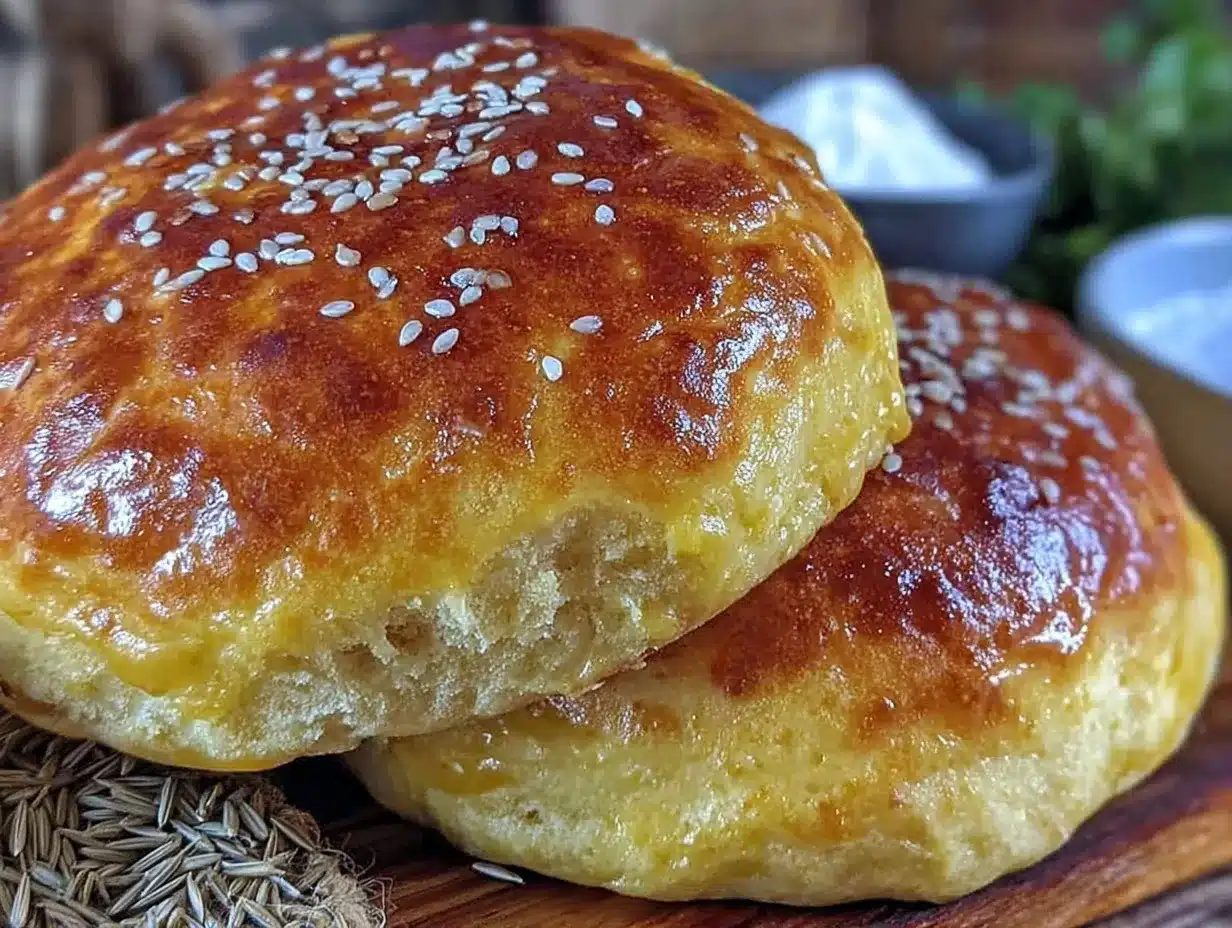
The buns that emerged from that chaotic evening were nothing short of a revelation. Soft, pillowy, and perfectly structured to hold any burger or sandwich fixings, they quickly became my go-to. Maybe you’ve been there—searching for a gluten-free bun that doesn’t crumble or taste like cardboard. This recipe changed that game for me, and I’m pretty sure it’ll do the same for you.
Why You’ll Love This Recipe
Let me tell you, after countless trials and a few experimental failures (including one batch that was more like hockey pucks), this recipe nails what so many gluten-free buns miss: softness and structure. Here’s why you’ll want to try these soft gluten-free hamburger buns with psyllium husk:
- Quick & Easy: Ready in about 1 hour, perfect when you want fresh buns without a full-day commitment.
- Simple Ingredients: Uses pantry staples you probably already have, with the magic touch of psyllium husk for texture.
- Perfect for BBQs and Weeknight Dinners: Whether you’re grilling outside or cooking indoors, these buns hold up beautifully.
- Crowd-Pleaser: Friends and family (gluten-tolerant or not) rave about the soft crumb and subtle chew.
- Unbelievably Delicious: The subtle nutty flavor from the psyllium husk adds depth without overpowering your burger toppings.
This isn’t just another gluten-free bun recipe—it’s the one that I keep returning to when I want that perfect bite. The psyllium husk works like a charm, binding everything together and giving the softness that gluten usually provides. Honestly, if you’ve struggled with gluten-free bread before, this might just be the recipe that changes your mind (or at least your burger night).
What Ingredients You Will Need
This recipe uses simple, wholesome ingredients to deliver soft, tasty gluten-free hamburger buns without fuss. Most are pantry staples, and if you don’t have psyllium husk yet, it’s worth adding to your list—it’s a game-changer for gluten-free baking.
- Gluten-Free Flour Blend: 2 cups (about 240g) – I recommend a blend with rice flour, tapioca starch, and potato starch for best texture.
- Psyllium Husk Powder: 2 tablespoons – this adds elasticity and moisture retention (don’t substitute with whole husks).
- Baking Powder: 1 teaspoon – helps with rise and fluffiness.
- Instant Yeast: 2 teaspoons – for that traditional bun lift and airy crumb.
- Warm Water: 1 cup (240ml) – about 110°F (43°C), to activate the yeast.
- Olive Oil or Melted Butter: 2 tablespoons – adds richness and tenderness.
- Honey or Maple Syrup: 1 tablespoon – a touch of sweetness to balance flavors.
- Salt: 1 teaspoon – essential for flavor enhancement.
- Egg: 1 large, room temperature – binds the dough and adds softness.
- Sesame Seeds: Optional, for topping – adds a nice crunch and classic look.
For substitutions, if you’re dairy-free, swap butter for coconut oil or extra olive oil. If you want to make it vegan, replacing the egg with a flax egg works reasonably well, though the texture might be slightly different. In summer, fresh herbs like rosemary or thyme can be added for a savory twist.
Equipment Needed
- Mixing bowls (preferably glass or stainless steel) – easy to clean and won’t retain odors.
- Measuring cups and spoons – precise measurements make all the difference in gluten-free baking.
- Kitchen scale – highly recommended for accuracy, especially with flour blends.
- Stand mixer with dough hook (optional) – helpful but you can mix by hand.
- Baking sheet or tray – lined with parchment paper or silicone mat for easy release.
- Clean kitchen towel or plastic wrap – for covering dough during proofing.
- Oven thermometer (optional) – to ensure perfect baking temperature.
Personally, I’ve baked these buns with and without a stand mixer. Hand mixing works fine if you have patience, but the mixer speeds things up and ensures even distribution of psyllium husk. If you don’t have a scale, just be extra careful with your cup measurements, especially the flour blend. Also, parchment paper is your best friend here to avoid sticking.
Preparation Method
- Activate the Yeast (5-10 minutes): In a small bowl, combine 1 cup (240ml) of warm water (around 110°F / 43°C) with 1 tablespoon honey or maple syrup and 2 teaspoons instant yeast. Stir gently and let it sit until foamy and bubbly. If it doesn’t foam after 10 minutes, your yeast might be old—try again with fresh yeast.
- Mix Dry Ingredients (5 minutes): In a large mixing bowl, whisk together 2 cups (240g) gluten-free flour blend, 2 tablespoons psyllium husk powder, 1 teaspoon baking powder, and 1 teaspoon salt. Psyllium husk powder helps create the elasticity you need for soft buns, so don’t skip it!
- Combine Wet Ingredients (3 minutes): In a separate bowl, beat 1 large egg with 2 tablespoons olive oil or melted butter. Once yeast is activated, add it to the egg-oil mixture and stir well.
- Form the Dough (5 minutes): Pour the wet ingredients into the dry ingredients and mix thoroughly. If using a stand mixer, use the dough hook on medium speed. The dough should be sticky but manageable. If it feels too dry, add a teaspoon of warm water at a time; too wet, add a little more flour blend.
- First Rise (45 minutes): Cover the bowl with a clean kitchen towel or plastic wrap and place in a warm, draft-free spot. The dough should puff up slightly but won’t double like traditional gluten dough. This step helps develop flavor and structure.
- Shape the Buns (10 minutes): Lightly flour your hands and a work surface with gluten-free flour. Divide dough into 6 equal portions (about 90g / 3.2 oz each). Gently shape into smooth balls and place on a parchment-lined baking tray, spaced about 2 inches apart. Flatten each ball slightly to form a bun shape.
- Second Rise (20 minutes): Cover buns loosely with towel and let rest to puff up a bit more. Preheat your oven to 375°F (190°C) during this time.
- Optional Topping: Brush buns lightly with water or beaten egg and sprinkle sesame seeds on top for a classic look.
- Bake (20-25 minutes): Bake buns in the preheated oven for 20-25 minutes until golden brown on top. They should sound hollow when tapped gently. If the tops brown too fast, cover loosely with foil.
- Cool Completely: Transfer buns to a wire rack and cool fully before slicing. This step is crucial—warm gluten-free bread can be gummy if sliced too early.
Cooking Tips & Techniques
Getting soft gluten-free buns is all about balancing moisture and binding agents. Psyllium husk powder acts like gluten’s best friend here, trapping moisture and helping the dough hold together.
- Don’t skip the psyllium husk or substitute it with whole husks—they won’t give the same texture.
- Warm water is key for activating yeast, but too hot will kill it. Use a thermometer or test with your wrist—warm, not hot.
- Be patient during proofing. Gluten-free dough won’t double, but you want it to puff slightly to get that airy crumb.
- Use a kitchen scale when possible. Gluten-free flours vary wildly in weight, and a little too much flour can dry out the buns.
- When shaping, handle gently to keep air bubbles intact. This helps with softness.
- If your oven runs hot or uneven, rotate the tray halfway through baking to prevent burning.
- Cooling completely before cutting is non-negotiable. I learned this the hard way after slicing too soon and ending up with gummy buns.
Variations & Adaptations
These buns are a brilliant base and easy to tweak based on your taste or dietary needs:
- Herbed Buns: Stir in 1 teaspoon dried rosemary or thyme into the dry ingredients for a savory twist.
- Dairy-Free Version: Use olive oil or coconut oil in place of butter, and swap the egg with a flax egg (1 tablespoon ground flaxseed + 3 tablespoons water, let sit 5 minutes).
- Whole Grain Boost: Replace half the gluten-free flour with buckwheat or sorghum flour for a nuttier flavor and denser texture.
- Seeded Buns: Add sunflower seeds, chia seeds, or flaxseeds to the dough or sprinkle on top for extra crunch and nutrition.
- Sweet Buns: Add 1-2 tablespoons sugar or cinnamon and raisins for a bun that’s great with jam or nut butter.
One time, I swapped olive oil for avocado oil and added a teaspoon of smoked paprika—unexpected, but the buns paired wonderfully with spicy grilled chicken. If you love experimenting, these buns take well to flavor tweaks.
Serving & Storage Suggestions
These soft gluten-free hamburger buns are best served fresh and slightly warm. Toasting cut sides lightly in a skillet or under a broiler adds a nice texture contrast.
- They’re perfect for classic burgers, pulled pork sandwiches, or even breakfast sliders with eggs and cheese.
- Pair with crisp sides like coleslaw, sweet potato fries, or a fresh green salad.
- Store leftover buns in an airtight container at room temperature for up to 2 days.
- For longer storage, freeze buns individually wrapped in plastic wrap and a freezer bag—freeze up to 3 months.
- When ready to eat, thaw at room temperature and warm in the oven at 300°F (150°C) for 5-10 minutes to refresh softness.
- Flavors improve slightly after resting, so making buns a day ahead can be a good strategy if you’re prepping for a party.
Nutritional Information & Benefits
Each bun (assuming 6 buns per recipe) offers approximately:
| Nutrient | Amount per Bun |
|---|---|
| Calories | 150-170 kcal |
| Protein | 4-5 grams |
| Carbohydrates | 28-30 grams |
| Fiber | 4-5 grams (thanks to psyllium husk) |
| Fat | 4-6 grams |
The psyllium husk not only helps with texture but also adds soluble fiber, which supports digestion and blood sugar balance. Using a gluten-free flour blend keeps the recipe safe for those with celiac or gluten sensitivities. Just a heads-up: these buns contain egg and possibly dairy (depending on your fat choice), so adjust accordingly if you have allergies.
Conclusion
If you’ve been hunting for a soft gluten-free hamburger bun that doesn’t fall apart or taste chalky, this recipe is worth every minute you spend making it. I love how it’s straightforward, forgiving, and genuinely delicious—perfect for casual weeknights or impressing friends at a summer barbecue. Feel free to tweak the flavors or shape to your liking; after all, homemade baking should be fun and flexible.
Give these buns a try and let me know how they turn out! I’m always excited when readers share their versions or ask questions—that’s what makes cooking together so rewarding. So go ahead, make that burger night special with your own soft gluten-free buns that hold up to whatever fillings you dream up.
Frequently Asked Questions
Can I make these buns ahead of time?
Yes! You can prepare the dough, shape the buns, and freeze them before baking. When you’re ready, thaw the buns and bake as usual. Baked buns can also be stored in the freezer and reheated later.
What if I don’t have psyllium husk powder?
Psyllium husk powder is key for the texture here, so it’s best not to skip it. If you only have whole psyllium husks, grind them finely in a coffee grinder before using.
Are these buns suitable for vegan diets?
With the egg replaced by a flax egg and butter substituted with plant-based oil, these buns can be made vegan, though the texture may be a bit different.
How do I store leftover buns to keep them fresh?
Store them in an airtight container at room temperature for a day or two, or freeze individually wrapped for longer storage. Reheat them gently to restore softness.
Can I use whole wheat flour instead of gluten-free flour?
This recipe is designed for gluten-free flour blends. Using whole wheat flour will change the texture and may require adjustments to liquids and psyllium husk amounts.
By the way, if you enjoy making your own bread, you might appreciate how these buns compare to my crispy garlic chicken recipe night or the simple techniques in my easy one-pot pasta recipe. Both share that comfort food vibe with a fuss-free approach!
Pin This Recipe!
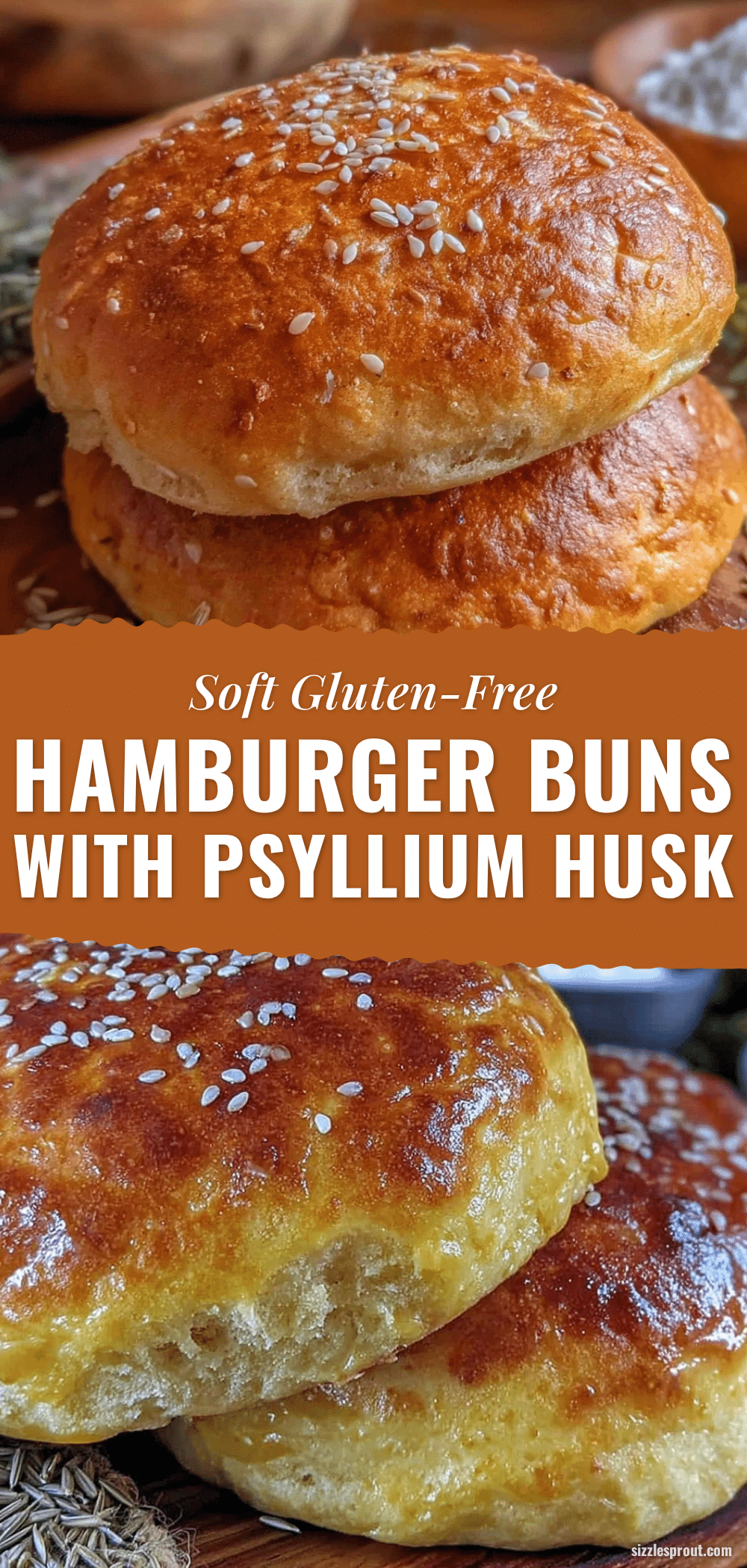
Soft Gluten-Free Hamburger Buns with Psyllium Husk
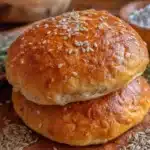
Soft, pillowy gluten-free hamburger buns made with psyllium husk for perfect texture and structure. Easy homemade recipe ideal for burgers and sandwiches.
- Prep Time: 15 minutes
- Cook Time: 25 minutes
- Total Time: 1 hour 15 minutes
- Yield: 6 buns 1x
- Category: Bread
- Cuisine: Gluten-Free
Ingredients
- 2 cups (240g) gluten-free flour blend (rice flour, tapioca starch, potato starch)
- 2 tablespoons psyllium husk powder
- 1 teaspoon baking powder
- 2 teaspoons instant yeast
- 1 cup (240ml) warm water (about 110°F / 43°C)
- 2 tablespoons olive oil or melted butter
- 1 tablespoon honey or maple syrup
- 1 teaspoon salt
- 1 large egg, room temperature
- Sesame seeds (optional, for topping)
Instructions
- Activate the yeast: In a small bowl, combine warm water, honey or maple syrup, and instant yeast. Stir gently and let sit until foamy (5-10 minutes).
- Mix dry ingredients: In a large bowl, whisk together gluten-free flour blend, psyllium husk powder, baking powder, and salt.
- Combine wet ingredients: Beat the egg with olive oil or melted butter. Add the activated yeast mixture and stir well.
- Form the dough: Pour wet ingredients into dry ingredients and mix thoroughly. Adjust consistency with warm water or flour if needed.
- First rise: Cover the bowl and let dough rise in a warm, draft-free spot for 45 minutes.
- Shape the buns: Lightly flour hands and surface. Divide dough into 6 equal portions (~90g each). Shape into smooth balls, flatten slightly, and place on parchment-lined baking tray.
- Second rise: Cover buns loosely and let rest for 20 minutes. Preheat oven to 375°F (190°C).
- Optional topping: Brush buns with water or beaten egg and sprinkle sesame seeds.
- Bake: Bake buns for 20-25 minutes until golden brown and hollow sounding when tapped. Cover with foil if browning too fast.
- Cool completely: Transfer to wire rack and cool fully before slicing.
Notes
Do not substitute psyllium husk powder with whole husks unless finely ground. Use warm water (not hot) to activate yeast. Be patient during proofing as gluten-free dough won’t double in size. Cool buns completely before slicing to avoid gummy texture. Rotate baking tray halfway if oven heats unevenly.
Nutrition
- Serving Size: 1 bun
- Calories: 160
- Sugar: 3
- Sodium: 250
- Fat: 5
- Saturated Fat: 1
- Carbohydrates: 29
- Fiber: 4.5
- Protein: 4.5
Keywords: gluten-free buns, psyllium husk, hamburger buns, soft buns, gluten-free bread, homemade buns, gluten-free baking