Love this? Save it for later!
Share the inspiration with your friends
“I never thought I’d burn instant noodles,” my friend Jake confessed as we sat cross-legged on the floor of his tiny first apartment. It was a Friday night, and the smell of something suspiciously toasty filled the air. Honestly, starting to cook on your own can feel like a wild ride—especially when your kitchen is just a hot plate, a sad little pot, and a mismatched set of utensils borrowed from who-knows-where. I remember my own early days, when figuring out how to crack an egg without making a mess was a major win. Maybe you’ve been there too—staring blankly at the fridge, wondering what on earth you can whip up that doesn’t need a culinary degree or a dozen obscure ingredients.
This Easy First Apartment Recipe Starter Pack is exactly for those moments. It’s like a friendly nudge, a simple toolkit of 10 meals that anyone can master—even if your idea of “cooking” used to be opening a microwave box. I put this together after watching way too many friends struggle with their first kitchens, juggling work, school, or just life’s chaos. Each recipe is straightforward, uses minimal ingredients, and requires basic equipment, so you don’t have to stress over fancy gadgets or long shopping lists.
One night, I was at my neighbor’s place (she’s a graduate student who barely has time to breathe), and she casually mentioned how she survived her first semester with just three go-to meals. That got me thinking—what if there was a starter pack for first-timers, a collection of dishes that build confidence and taste buds simultaneously? This set of recipes is my answer. It’s honest, unpretentious, and honestly a little bit fun. I mean, cooking shouldn’t feel like a chore, right?
So whether you’re moving into your first apartment, finally claiming your kitchen space, or just want to learn how to make easy meals that don’t taste like cardboard, this starter pack is your go-to. It’s full of tiny victories, like mastering the perfect scrambled eggs or nailing a pasta sauce from scratch. And trust me, once you get these down, you’ll be ready to tackle anything your kitchen throws your way (even if you do still burn the occasional toast).
Why You’ll Love This Recipe Starter Pack
After countless trials, accidental kitchen disasters, and late-night cravings, I can say these 10 meals are the real deal for anyone starting out. Here’s why this starter pack will quickly become your favorite cooking companion:
- Quick & Easy: Most recipes come together in under 30 minutes, perfect for those hectic weeknights or unexpected guests.
- Simple Ingredients: No need for specialty stores or confusing ingredients lists. These meals mostly use pantry staples and fresh basics.
- Perfect for First Apartments: Minimal equipment and space needed, so even if your kitchen is tiny or shared, you’re set.
- Crowd-Pleaser: Whether it’s a roommate, a date, or just you, these dishes get rave reviews—trust me, I’ve tested them with picky eaters.
- Unbelievably Tasty: You won’t believe how satisfying simple ingredients can be when combined with the right technique.
What makes these recipes special is their no-nonsense approach. They aren’t complicated or fancy—they’re honest, hearty, and designed to build your cooking confidence one step at a time. From a creamy pasta that feels like a warm hug to a veggie-packed stir fry that’s both colorful and filling, each meal is a little victory in itself.
Plus, these recipes were tested by real people with real lives—students, young professionals, and anyone who’s faced the “what’s for dinner?” panic at 7 PM. I promise, this isn’t just another cookbook list; it’s the foundation for your kitchen adventures.
What Ingredients You Will Need
These 10 meals rely on straightforward, easy-to-find ingredients that help you learn basic cooking techniques without overwhelming your grocery list. Most are pantry staples, with a few fresh items to add flavor and nutrition. Here’s a breakdown to get you started:
- For Staples & Basics:
- Olive oil (extra virgin is best for flavor, but any cooking oil works)
- Salt and black pepper (essential for seasoning)
- Garlic cloves (adds depth, can substitute with garlic powder in a pinch)
- Onions (yellow or white, great for almost every savory dish)
- Dried pasta (spaghetti, penne, or fusilli—choose your favorite)
- Canned tomatoes (whole or crushed, look for no added sugar)
- Rice (white or brown, depending on your preference)
- Eggs (large, room temperature for best cooking results)
- For Protein:
- Chicken breasts or thighs (boneless, skinless for easy prep)
- Canned beans (black beans or chickpeas, convenient and nutritious)
- Cheese (shredded cheddar or mozzarella, adds creaminess and flavor)
- For Vegetables & Fresh Ingredients:
- Bell peppers (any color, adds crunch and sweetness)
- Spinach or kale (fresh or frozen, for a quick nutrient boost)
- Carrots (small or large, great raw or cooked)
- Frozen mixed vegetables (super handy for stir-fries or soups)
- For Flavor Boosters:
- Soy sauce (for stir-fries and marinades, low sodium preferred)
- Dijon mustard (adds a subtle tang to dressings or sauces)
- Honey or maple syrup (balances savory flavors)
- Fresh herbs (parsley or cilantro, optional but nice for freshness)
I usually recommend buying ingredients like olive oil from trusted brands such as Colavita or Bertolli—they tend to have consistent quality. When it comes to canned goods, I prefer organic or BPA-free cans if possible, but honestly, any reputable brand will work fine here. For fresh produce, try to choose firm, vibrant veggies; they last longer and taste better. And remember, substitutions are totally fine! For example, swap chicken for tofu or tempeh if you prefer a plant-based option.
Equipment Needed
One of the best parts about this starter pack is that it doesn’t demand a kitchen full of gadgets. You can get by with just the basics, which is great when you’re setting up your first apartment or working with limited space.
- A medium-sized non-stick skillet (10-12 inches) – perfect for sautéing, frying, and one-pan meals.
- A medium saucepan – ideal for boiling pasta, cooking rice, or simmering sauces.
- A cutting board and a sharp chef’s knife – you’d be surprised how much easier cooking gets with a good knife.
- Measuring cups and spoons – helps with accuracy, especially when learning new recipes.
- A colander or strainer – for draining pasta, washing veggies, or rinsing beans.
- Mixing bowls – handy for assembling ingredients or marinating proteins.
If you don’t have a non-stick skillet, a well-seasoned cast iron pan can work beautifully (though it requires a little care). For budget-friendly options, stores like IKEA or Target often have affordable kitchen sets that cover these basics. And don’t sweat having fancy gadgets—honestly, a simple wooden spoon and a spatula can take you far.
Preparation Method
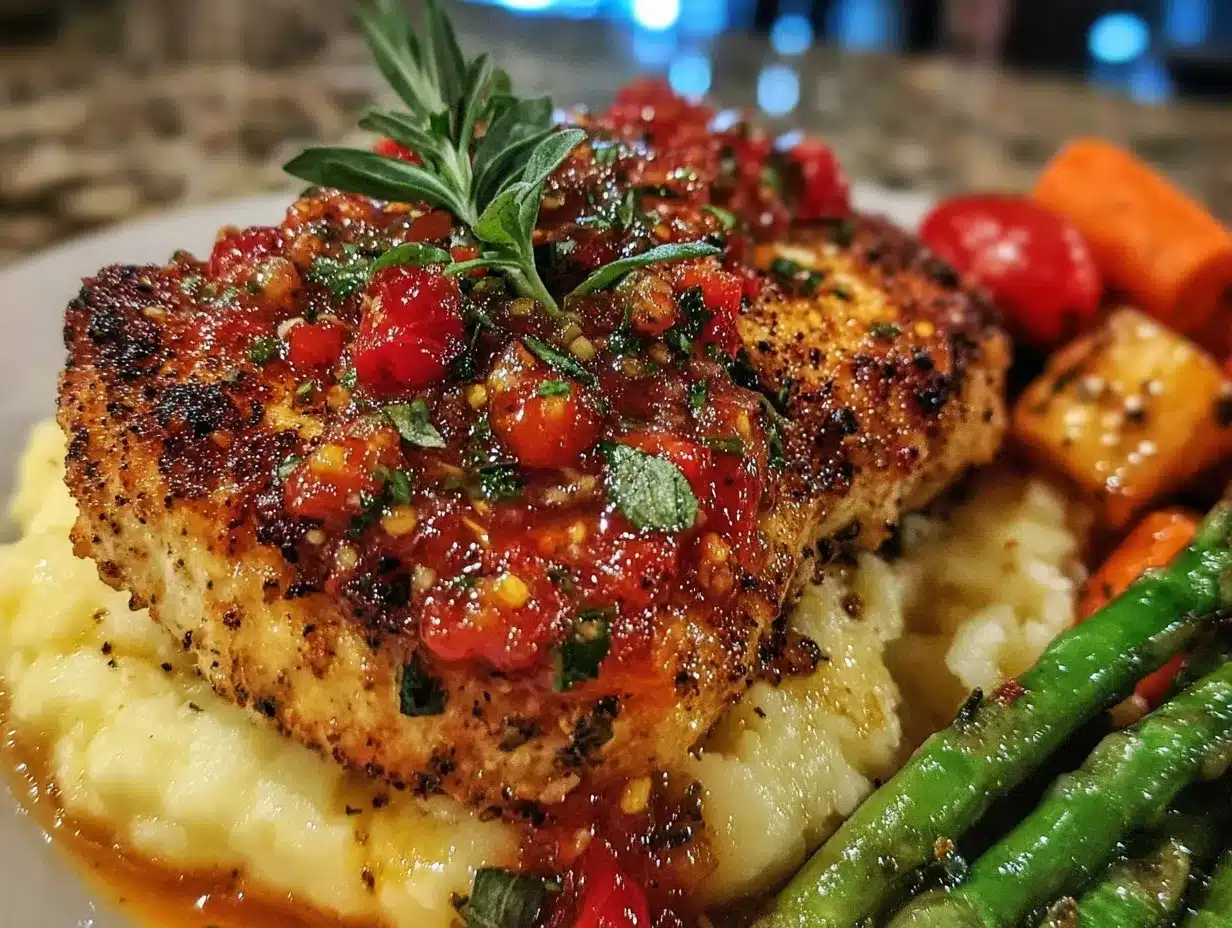
Getting started with these meals feels less intimidating when you break down the process. Here’s a general workflow to help you master the Easy First Apartment Recipe Starter Pack efficiently:
- Gather Your Ingredients and Equipment: Before turning on the stove, line everything up on your counter. This habit saves time and cuts down on frantic searching mid-cook. For example, if you’re making the classic tomato pasta, have your garlic minced, canned tomatoes opened, and pasta measured out.
- Prep Veggies and Proteins: Wash, peel, chop, or slice as needed. For instance, dice your onions and bell peppers uniformly so they cook evenly. If you’re using chicken, pat it dry with paper towels before seasoning to get a nice sear.
- Cook Ingredients in the Right Order: Start with aromatics like onions and garlic in heated oil until fragrant and translucent (about 2-3 minutes). Then add proteins or harder vegetables that take longer to cook. For example, when making a stir-fry, cook chicken first, remove it, then stir-fry the veggies before combining everything back.
- Follow Timings Closely: Pasta usually takes 8-12 minutes to cook, depending on shape. Rice can range from 15 to 45 minutes depending on type. Use a timer and taste test pasta a minute before the suggested time to avoid mushiness.
- Season Throughout: Season with salt and pepper in stages—not just at the end. This builds flavor layers. Taste as you go. For example, when simmering a sauce, season lightly at first and adjust at the end for balance.
- Combine and Finish: Bring everything together—like tossing cooked pasta with sauce or mixing scrambled eggs with fresh spinach. Look for visual cues like sauce thickening or eggs just set but still moist.
One personal tip: don’t be afraid to tweak as you go. If your sauce feels too acidic, a pinch of sugar or a drizzle of honey can mellow it out. If veggies aren’t softening fast enough, add a splash of water and cover the pan briefly.
Cooking Tips & Techniques
Learning to cook these meals is also about understanding a few key techniques that make each dish shine. Here’s what I’ve picked up along the way:
- Sautéing: Use medium-high heat and don’t overcrowd the pan. Overcrowding causes steaming instead of browning. Let ingredients develop color before stirring.
- Boiling Pasta Perfectly: Salt your pasta water generously—like the sea—and reserve some pasta water before draining. Adding a splash of this starchy water to your sauce helps it cling beautifully to noodles.
- Scrambled Eggs Mastery: Cook eggs low and slow, stirring gently. Remove from heat just before fully set; residual heat finishes them off, giving creamy texture.
- Seasoning in Layers: Salt and pepper at each stage—before cooking, during, and at the end. It’s the secret to well-rounded flavor.
- Multitasking: While pasta boils, prep your sauce or chop veggies. Cooking isn’t about waiting around; it’s about using every minute wisely.
Common mistakes? Burning garlic by adding it too early or cooking on too high heat is a classic one. Also, overcooking pasta to mush is a heartbreak—so keep an eye and taste often. My advice: embrace the occasional kitchen mishap. Each “oops” is a step closer to confidence.
Variations & Adaptations
This starter pack is flexible—you can definitely make it your own. Here are some ideas:
- Dietary Adjustments: Swap chicken for tofu or tempeh to make dishes vegetarian or vegan. Use dairy-free cheese or plant-based milk in creamy recipes.
- Seasonal Swaps: In summer, fresh tomatoes replace canned for a brighter sauce. Add zucchini or summer squash for extra veggies.
- Flavor Twists: Add a pinch of chili flakes for heat or swap herbs like parsley for basil or cilantro to suit your taste.
- Cooking Methods: If you lack a stove, some recipes adapt well to the microwave or slow cooker—like steaming rice or simmering beans.
- Personal Favorite Variation: I’ve jazzed up the stir-fry by adding a squeeze of fresh orange juice and a sprinkle of toasted sesame seeds. It’s a small touch but makes a big difference.
Serving & Storage Suggestions
Serving these meals is all about comfort and simplicity. Most taste best hot, fresh off the stove, but some—like pasta salads or bean dishes—can be enjoyed cold or at room temperature.
- Presentation: A sprinkle of fresh herbs or a wedge of lemon brightens the plate and adds freshness.
- Pairings: Serve with simple sides like toasted bread, a fresh green salad, or steamed veggies for a balanced meal.
- Storage: Store leftovers in airtight containers in the fridge for up to 3 days. Some dishes, like soups or stews, freeze well for up to 3 months.
- Reheating: Reheat gently on the stove or microwave, adding a splash of water or broth to loosen sauces and prevent drying out.
- Flavor Development: Many dishes taste even better the next day as flavors meld. So don’t hesitate to make extra and enjoy later.
Nutritional Information & Benefits
These 10 meals are designed to be nourishing and balanced, providing a good mix of protein, carbs, and veggies. While exact nutrition varies by recipe, here’s a general idea:
- Calories per serving: roughly 350-500 depending on portion and ingredients
- Protein: chicken, eggs, and beans offer solid protein to keep you full and energized
- Fiber: veggies and whole grains help digestion and satiety
- Healthy Fats: olive oil provides heart-healthy monounsaturated fats
Many recipes can be adapted for gluten-free diets by swapping pasta for rice or gluten-free noodles. They also cater well to low-sodium or low-fat preferences by adjusting seasoning and cooking fats.
From a wellness perspective, learning to cook simple, wholesome meals at home helps you control ingredients, avoid processed foods, and connect with your food in a way that takeout can’t match.
Conclusion
This Easy First Apartment Recipe Starter Pack is more than just a list of meals—it’s a gateway to your cooking confidence. Whether you’re fumbling with your first pan or craving something homemade after a long day, these 10 dishes have your back. Feel free to tweak them, make mistakes, and discover what works best for you. Honestly, I love this set because it reminds me that cooking is for everyone—not just chefs or foodies.
Give these recipes a shot, share your favorite twists or successes, and keep building your kitchen story one meal at a time. You’ve got this!
FAQs
What are the easiest meals to start cooking in a new apartment?
Meals like pasta with simple tomato sauce, scrambled eggs with veggies, and stir-fries are great beginner-friendly options because they require few ingredients and basic techniques.
Can I make these recipes with limited kitchen equipment?
Absolutely! These recipes are designed to work with minimal tools like a skillet, saucepan, and basic utensils—perfect for small or shared kitchens.
How can I make these meals more budget-friendly?
Use canned beans instead of fresh meat, buy seasonal vegetables, and rely on pantry staples like rice and pasta to keep costs down without sacrificing flavor.
Are these recipes suitable for vegetarians?
Most recipes can be easily adapted by swapping animal proteins for plant-based alternatives like tofu, tempeh, or beans.
How do I store leftovers safely?
Store leftovers in airtight containers in the fridge within two hours of cooking and consume within 3 days. For longer storage, freeze portions in freezer-safe containers for up to 3 months.
Pin This Recipe!
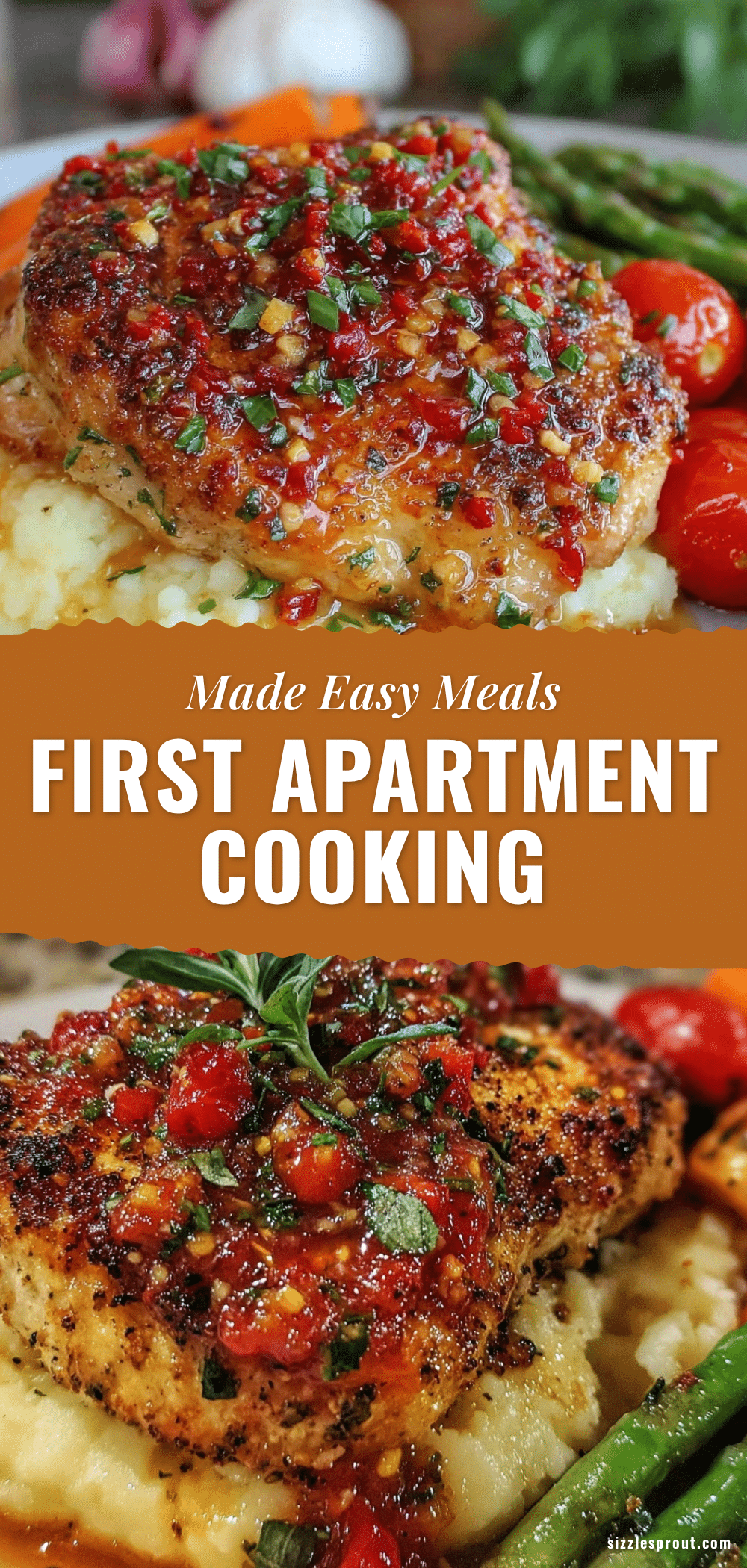
Easy First Apartment Recipe Starter Pack 10 Best Meals to Learn Cooking Fast
A collection of 10 simple, quick, and beginner-friendly meals designed for first-time cooks in small kitchens, using minimal ingredients and equipment.
- Prep Time: 10 minutes
- Cook Time: 20 minutes
- Total Time: 30 minutes
- Yield: 4 servings
- Category: Main Course
- Cuisine: American
Ingredients
- Olive oil (extra virgin preferred)
- Salt and black pepper
- Garlic cloves or garlic powder
- Onions (yellow or white)
- Dried pasta (spaghetti, penne, or fusilli)
- Canned tomatoes (whole or crushed, no added sugar)
- Rice (white or brown)
- Eggs (large, room temperature)
- Chicken breasts or thighs (boneless, skinless)
- Canned beans (black beans or chickpeas)
- Cheese (shredded cheddar or mozzarella)
- Bell peppers (any color)
- Spinach or kale (fresh or frozen)
- Carrots
- Frozen mixed vegetables
- Soy sauce (low sodium preferred)
- Dijon mustard
- Honey or maple syrup
- Fresh herbs (parsley or cilantro, optional)
Instructions
- Gather all ingredients and equipment before starting to cook.
- Wash, peel, chop, or slice vegetables and proteins as needed.
- Heat oil in a medium-sized non-stick skillet over medium-high heat.
- Sauté onions and garlic until fragrant and translucent, about 2-3 minutes.
- Add proteins or harder vegetables and cook until done.
- Boil pasta or rice in a medium saucepan according to package instructions (pasta 8-12 minutes, rice 15-45 minutes).
- Season ingredients with salt and pepper in layers throughout cooking.
- Combine cooked ingredients, such as tossing pasta with sauce or mixing scrambled eggs with spinach.
- Adjust seasoning and add flavor boosters like honey or herbs as desired.
- Serve hot with optional fresh herbs or lemon wedges.
Notes
Substitute chicken with tofu or tempeh for vegetarian or vegan options. Use dairy-free cheese or plant-based milk for creamy dishes. Add a pinch of sugar or honey to balance acidic sauces. Avoid overcrowding the pan to ensure proper browning. Salt pasta water generously and reserve some pasta water to help sauce cling to noodles.
Nutrition
- Serving Size: 1 serving (approxima
- Calories: 350500
- Sugar: 6
- Sodium: 450
- Fat: 12
- Saturated Fat: 3
- Carbohydrates: 45
- Fiber: 5
- Protein: 25
Keywords: easy recipes, beginner cooking, first apartment meals, quick meals, simple ingredients, cooking starter pack